
A furnace doesn’t just quit. It hesitates, groans, blows cold air, or shuts down too early. The signs are always there. The trick is catching them before the calls pile up.
Troubleshooting a furnace takes logic and experience. Start with simple checks like power, airflow, and ignition, then move toward the part that actually failed. This guide walks through the most common furnace problems, how to test them, and which parts to look at when repairs are needed.
1. Safety First
Before working on any furnace, make safety the first step:
- Turn off power using the disconnect or circuit breaker.
- If you smell gas, leave immediately and contact the utility or a licensed technician.
- Never bypass safety controls such as limit or rollout switches.
- Refer to the wiring diagram on the furnace panel.
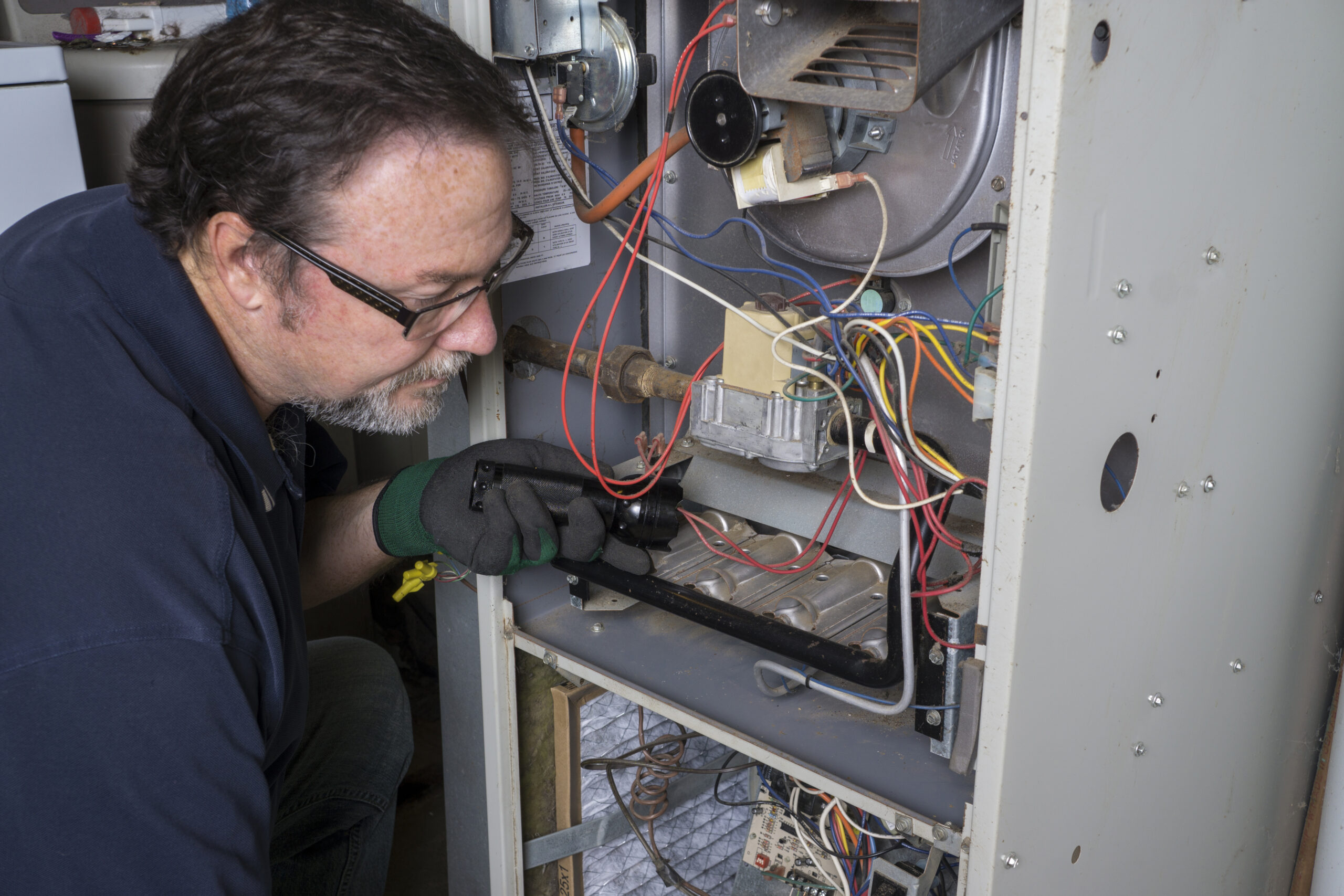
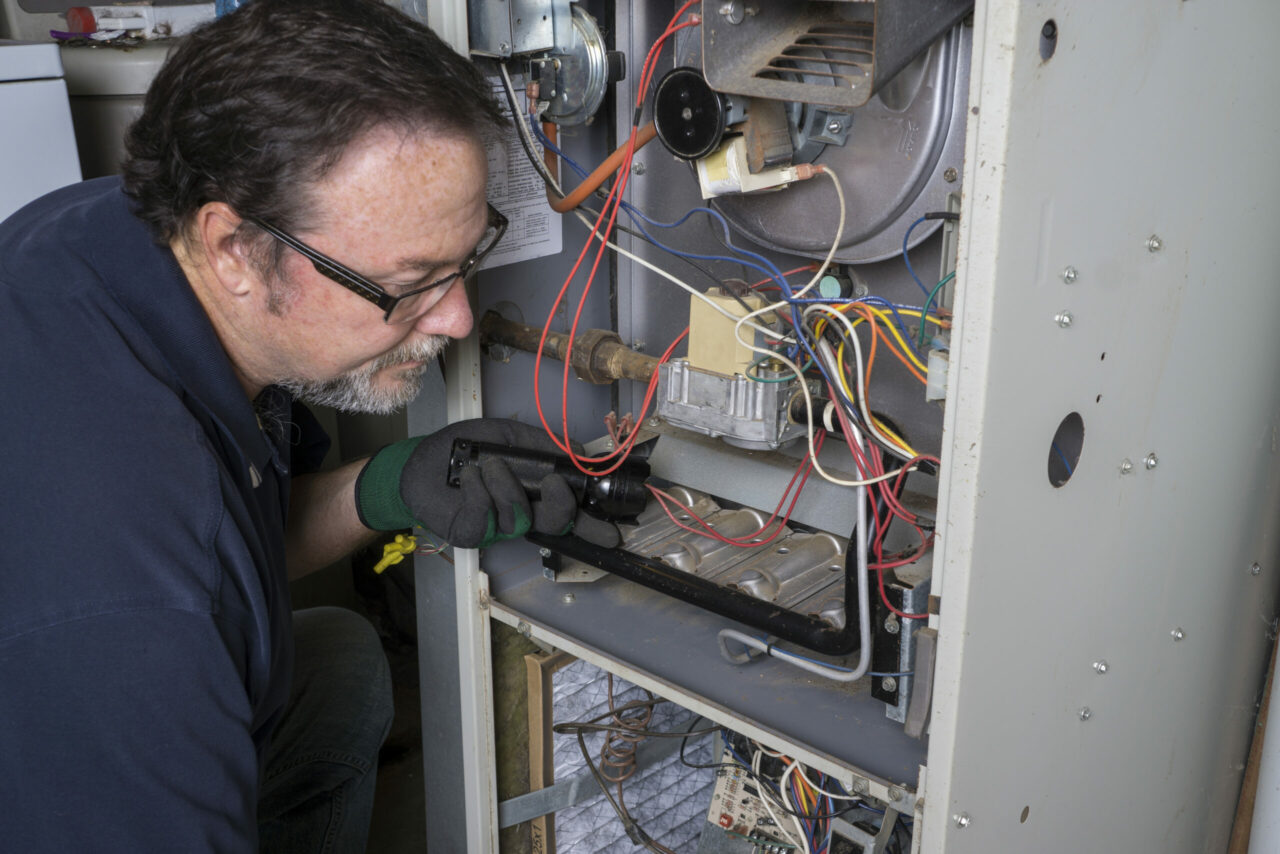
- Keep tools nearby: a multimeter, clamp meter, flashlight, and insulated gloves.
2. Start with the Basics
Every good diagnostic starts with what is simple and visible:
- Thermostat: Make sure it is set to “Heat” and above the room temperature. Replace batteries if necessary.
- Power: Check that the furnace switch and breaker are on.
- Air Filter: A dirty filter is the top reason for shutdowns. Replace it if clogged. Furnace Filters
- Listen and Observe: Turn the system on and notice each step. A click, a hum, or a blower starting tells you where the sequence fails.
- Blower Door: If the access panel is not secure, the furnace will not start.
Once the basics are covered, move to specific symptom checks.
3. Troubleshooting Table
| Symptom | Likely Causes | What to Check | Next Step / Fix |
| Furnace will not start | Thermostat off, tripped breaker, open blower door switch, faulty control board, no gas supply | Confirm thermostat settings and power. Test for 24 volts at control board. Inspect door switch. Verify gas valve is open. | Replace thermostat wiring or control board. HVAC Replacement Parts |
| Runs but blows cold air | Blocked filter, burners not lighting, dirty flame sensor, gas valve fault | Replace filter. Watch ignition cycle. Clean flame sensor. Check voltage at gas valve. | Replace flame sensor or gas valve. Ignitors and Burners |
| Short cycling | Overheating, poor airflow, bad limit switch | Inspect filter and ductwork. Test limit switch. Measure temperature rise. | Replace limit switch or correct airflow. Heating Parts and Accessories |
| Strange noises | Loose panels, blower wheel rubbing, belt wear, delayed ignition | Tighten panels, check blower wheel clearance, inspect belt tension, clean burners | Replace belt or blower parts. Replacement Motors |
| Ignitor or pilot not lighting | Cracked ignitor, dirty thermocouple, weak flame, gas valve issue | Inspect ignitor for cracks. Clean sensor or thermocouple. Test gas valve voltage. | Replace ignitor or thermocouple. Ignitors and Burners |
| Weak airflow | Blocked ducts, failing motor, closed returns | Replace filter. Open all registers. Inspect ducts for damage. Measure motor current. | Replace blower motor or repair ducts. Replacement Motors |
| Fan runs constantly | Thermostat fan set to “On,” stuck relay, failed limit switch | Set thermostat fan to “Auto.” Test relay and limit switch. | Replace limit switch or control board. Heating Parts and Accessories |
| Breaker trips or fuse blows | Shorted wire, motor overload, failed board | Inspect wiring insulation, motor amperage, and relay. | Repair wiring or replace failing part. |
| Water leaks | Clogged condensate line or trap, pump failure, cracked pan | Flush line. Check trap and pump. Verify proper slope. | Replace trap or pump. Condensate Pumps |
4. Reading the Clues
No Heat or No Start
Start with the thermostat. If it has power and calls for heat, check the control board. Most modern boards use LED fault codes printed inside the door panel.
Blowing Cold Air
If the blower runs but burners fail to light, clean the flame sensor. A dirty sensor can misread flame presence and close the gas valve. Check the air filter too. Poor airflow triggers limit switches, leaving only cold air.
Short Cycling
If the furnace runs briefly and stops, it’s likely overheating or airflow is blocked. Replace the filter and check the vents. Measure temperature rise across the exchanger. A rise that is too high means restricted airflow.
Loud Noises
Squealing often means a worn belt or bearing. Banging indicates delayed ignition. Whistling usually points to duct leaks or blocked returns. Tighten all panels and check moving parts before replacing a motor.
Water Leaks
High-efficiency units create water that must drain through a condensate line and trap. If those clog, water backs up and spills. Flush lines with warm water and ensure proper slope to the drain.
5. Testing
Thermostat and Wiring
Test for 24 volts between R and W during a heat call. If there’s power and the furnace is idle, move to the control board.
Flame Sensor and Ignitor
Remove the flame sensor and clean it lightly with fine abrasive or Scotch-Brite. Blow off residue before reinstalling. For a hot surface ignitor, measure resistance (usually between 40 and 90 ohms). Replace if cracked or out of range.
Pressure Switch and Safety Controls
The pressure switch confirms proper venting. A blocked vent or cracked hose can keep it open. Test for continuity while the inducer runs. Limit and rollout switches must stay closed during operation.
Blower and Airflow
Measure blower motor current under normal load. Compare with the nameplate value. High readings mean worn bearings or restricted airflow. Inspect ducts for damage or collapse.
6. Reset and Error Codes
If the furnace shuts down after repeated ignition attempts, it is likely in lockout. Reset it safely:
- Turn off power at the furnace switch.
- Wait about one minute.
- Turn power back on and restart the heat call.
If it locks out again, read the board’s LED code and return to the matching test step above.
7. Preventive Maintenance
Most major furnace issues start small. Regular maintenance keeps things predictable:
- Replace air filters every month or two during heating season.
- Clean flame sensors and ignitors yearly.
- Tighten all electrical connections.
- Vacuum inside blower and burner compartments.
- Flush condensate lines before winter.
- Keep vents clear of furniture and debris.
- Inspect vent piping for rust or cracks.
For additional seasonal maintenance advice, read How to Select the Best Air Furnace Filter (and Keep It Working Like New).
8. When Repairs Stop Making Sense
When a furnace is older than 15 years, frequent part failures often mean it is nearing the end of its life. Replacing major components such as control boards or gas valves can exceed half the cost of a new system. If efficiency is dropping and repairs are piling up, replacement becomes the smarter option.
SupplyHouse carries brand-specific furnace parts:
9. FAQs
Why does my furnace click but not light?
The control board is attempting ignition. Either the ignitor is cracked or the gas valve is not opening. Check for 24 volts at the valve during ignition.
How do I clean a flame sensor?
Remove it carefully, polish it gently with fine abrasive, blow away residue, and reinstall.
Why is my furnace running but blowing cold air?
A dirty filter or blocked airflow is common. If burners do not light, clean the flame sensor and inspect the ignitor.
What causes short cycling?
Usually overheating or airflow restriction. Check the filter, ducts, and blower speed.
Why is my furnace leaking water?
Blocked condensate traps or drain lines cause backup. Flush or replace them.
Can a dirty filter shut a furnace down?
Yes. It restricts airflow, overheats the system, and activates safety shutoffs.
When should I replace instead of repair?
If the furnace is more than 15 years old or repair costs reach half the replacement price, a new system is the better investment.