
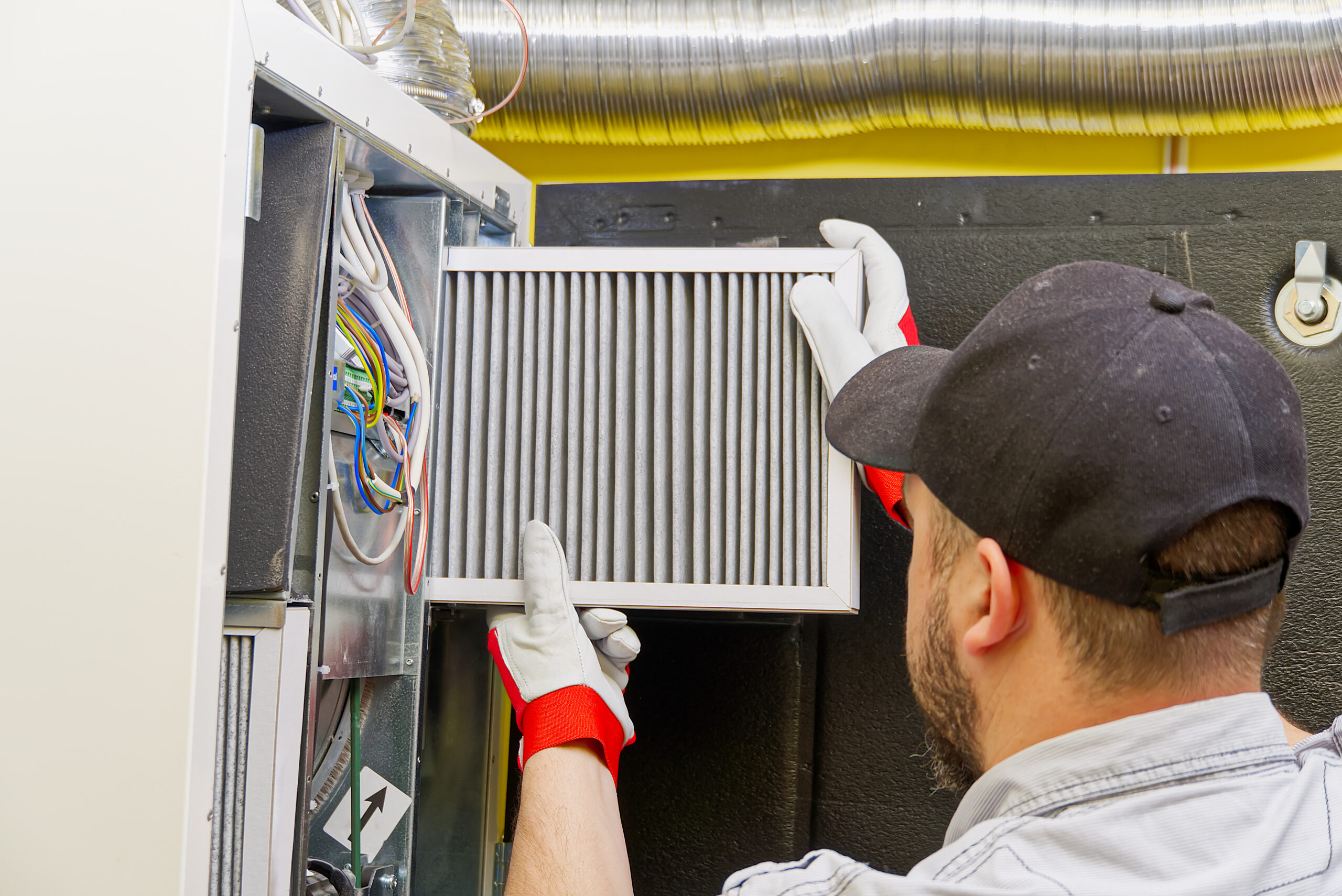

A properly chosen air furnace filter isn’t just a throwaway part. It’s the first line of defense between clean indoor air and a stressed-out HVAC system. The right filter improves comfort, protects equipment, and even lowers monthly energy bills. Getting it right takes more than just grabbing the cheapest filter off the shelf. This guide walks you through the process step by step so that anyone — from a first-time DIYer to a seasoned homeowner — can do it confidently.
Why the furnace filter matters
The air filter plays four key roles every heating season:
- Protects the furnace. Stops dust, pet hair, and debris from coating blower wheels, coils, and heat exchangers.
- Improves indoor air quality. Traps allergens such as pollen, mold spores, and pet dander.
- Maintains efficiency. A clean filter allows smooth airflow, so the blower motor doesn’t waste energy. A clogged filter can raise heating costs by 10–15%.
- Extends system life. Cleaner internal components reduce wear, minimize repairs, and extend equipment lifespan.
Step 1: Measure carefully
- Turn off the furnace at the switch or breaker.
- Locate the filter slot — usually near the return duct or behind a panel by the blower.
- Remove the old filter. Check the printed size (e.g., 16×25×1) and confirm by measuring the opening with a tape measure. Remember: the actual dimensions are often slightly smaller than the “nominal” size.
- Write the size down or snap a photo for easy reordering.
You can quickly look up your exact size in Supplyhouse’s replacement filter section.
Step 2: Pick the right MERV rating
MERV (Minimum Efficiency Reporting Value) measures how well a filter captures small particles.
- MERV 1–4: Blocks only large dust and lint. Suitable for garages, workshops, or very old systems.
- MERV 5–8: The sweet spot for most homes. Captures dust, mold spores, and pet dander without stressing the blower.
- MERV 9–12: Offers better protection against fine dust, pollen, and some smoke. Great for families with allergies.
- MERV 13–16: Highest residential ratings. Blocks bacteria, smoke, and very fine allergens, but only use if your system’s blower can handle the restriction.
For a full breakdown of what each level filters, check Breathe Easy: Explaining Air Filters and MERV Ratings.
Step 3: Choose the best filter style for your system
- Fiberglass panels
When to use: Basic dust control or temporary use.
Change every: 30 days.
Note: They protect the furnace but don’t improve indoor air much.
- Pleated filters
When to use: Everyday home comfort, especially with pets or allergies.
Change every: 1–3 months.
Try: Honeywell Home pleated filters, available in a wide range of sizes.
- Deep-pleat media filters (4–5″ thick)
When to use: If your furnace has a media cabinet and you want longer service intervals.
Change every: 6–12 months.
Options: Aprilaire and General Aire cartridges are durable, high-MERV options.
- Specialty pleated filters
When to use: Targeted filtration like smoke, smog, or severe allergies.
Example: 3M Filtrete filters, which are labeled for dust, allergen, or smoke reduction.
Special option: Colorfil filters for pet owners
If you share your home with pets, you already know how quickly fur and dander can clog a furnace filter. Colorfil replacement filters were designed with pet owners in mind.
- They change color from pink to yellow as they trap particles and odors, so you get a visual cue when it’s time to replace them.
- They’re built to reduce pet odors in addition to catching dander, dust, and allergens.
- They install just like a standard pleated filter — slide it in, note the airflow arrow, and you’re set.
For pet-heavy households, they’re a smart way to keep the system breathing well and the home smelling fresher.
How to replace your furnace filter
Even if you’ve never done this before, here’s the full walkthrough. Grab a flashlight, a step stool if needed, and your new filter.
- Shut off power at the furnace switch or breaker.
- Locate the filter slot. In most furnaces, it sits behind a panel near the blower or inside the return air duct.
- Remove the old filter carefully. Keep it level and place it straight into a trash bag to avoid shaking dust loose.
- Check the airflow arrow. It should point toward the furnace blower.
- Insert the new filter snugly. Make sure it sits flat without bending or leaving gaps.
- Mark the installation date on the filter frame.
- Restore power and check airflow at the vents.
Maintenance routine anyone can follow
- Monthly light check: Hold the filter to a light source. If light barely passes through, it’s due for a swap.
- Stick to intervals: Replace 1″ pleated filters every 1–3 months. Deep-pleat filters can go 6–12 months.
- Watch for warning signs: Extra dust, rising bills, allergy flare-ups, or weak airflow all point to a clogged filter.
For more detail on when to swap, see Is It Time to Change Your Air Filter?.
FAQs
How do I know my furnace filter size?
Check the old filter’s frame or measure the slot. Round up to the nearest inch when ordering.
What if my filter is a non-standard size?
Order the exact fit from Supplyhouse’s replacement section. Avoid cutting filters, since gaps let dirty air bypass the media.
Do higher MERV filters always mean cleaner air?
Yes, but with a trade-off. Higher MERV filters trap smaller particles but may reduce airflow. Stick to what your furnace manufacturer recommends.
Can I wash and reuse a disposable filter?
No. Disposable filters are designed for single use. Only washable electrostatic filters can be cleaned and reused, and they need monthly rinsing and drying.
Are there filters made for pet owners?
Yes. Colorfil filters are popular for households with pets. They capture dander and help reduce odors, plus they change color when it’s time to replace them.
How do I dispose of used filters?
Place them in a sealed trash bag and take them outside immediately. Don’t shake them indoors.
Can I run my furnace without a filter?
You can, but it’s a bad idea. Dust and debris will coat the blower and coil, leading to higher repair bills and poor air quality. Always run a filter.
How do I know if I’m changing filters too often?
If a filter still looks clean after 60–90 days, you may be swapping it too soon. Monitor airflow and follow recommended intervals.
Can I upgrade to a thicker filter?
Yes, but you’ll need a media cabinet designed for it. Aprilaire and General Aire offer compatible options.
Final thoughts
Replacing a furnace filter is quick, inexpensive, and one of the smartest maintenance habits you can build. In under ten minutes, you can improve indoor air quality, reduce heating bills, and prevent costly damage to your system.
For most homes, a pleated MERV 8–11 filter strikes the right balance of performance and airflow. Allergy-prone households may need a MERV 12 or 13. Pet owners should look at options like Colorfil filters that capture dander and help with odor. And if you want fewer filter changes, a deep-pleat media cabinet from brands like Aprilaire or General Aire is a worthwhile upgrade.
The key is consistency. Keep a small supply of filters from Supplyhouse’s replacement filter section, set a calendar reminder, and make it part of the seasonal routine. A clean filter pays back in healthier air, lower bills, and a furnace that keeps running strong year after year.