
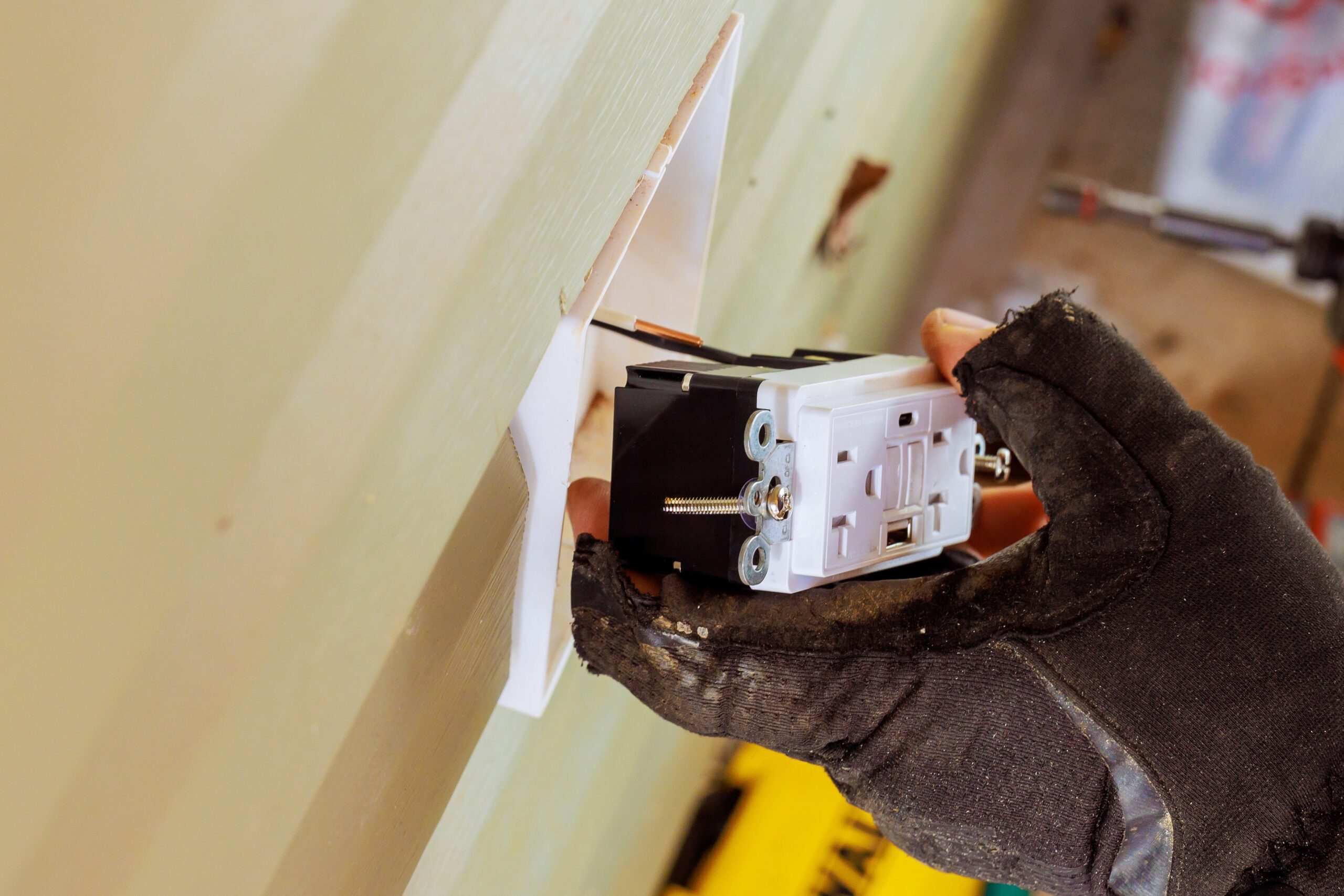
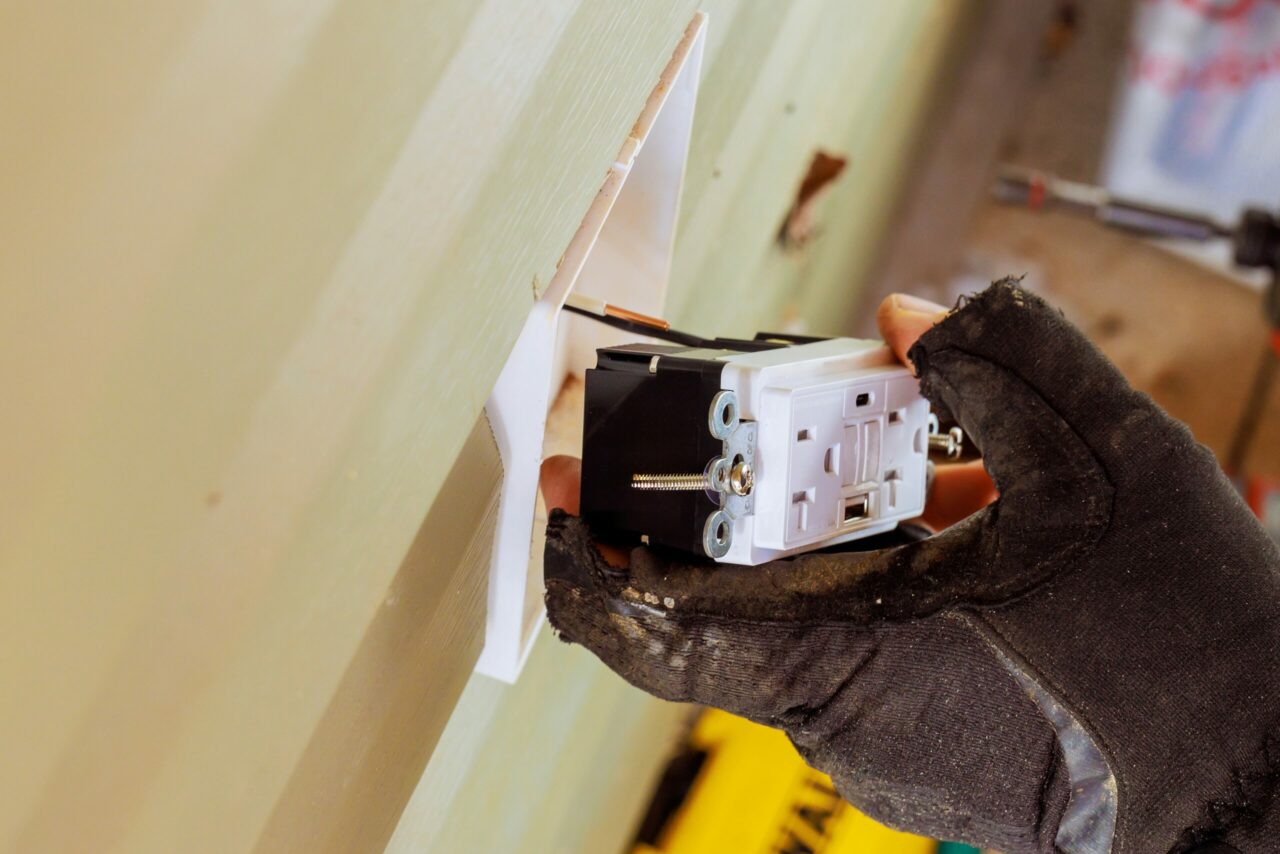
A GFCI outlet is one of the most important safety devices in a home. GFCIs have helped reduce home electrocutions by more than 50% since widespread adoption began in the 1970s. They are required by the NEC in bathrooms, kitchens, garages, unfinished basements, outdoor locations, and anywhere else water and electricity share a zip code and they are one of the more satisfying upgrades a technician or sharp homeowner can knock out in 20 minutes, when the line and load terminals are wired correctly. That last part is where most problems start.
What a GFCI Outlet Actually Does
A GFCI (Ground Fault Circuit Interrupter) continuously monitors the current flowing out through the hot wire and back through the neutral wire. In a healthy circuit those two values are equal. If the current on the hot and neutral wires differs by as little as 4 to 6 milliamps, indicating that electricity is taking an unintended path, the GFCI trips and cuts power in as little as 1/40 of a second. A standard circuit breaker protects against overcurrents. A GFCI protects against ground faults. They are completely different threats.
Line vs. Load: The Most Important Distinction
| Terminal Set | Label | Function |
| LINE | Hot: brass / Neutral: silver | Receives power from the panel |
| LOAD | Hot: brass / Neutral: silver | Sends GFCI-protected power downstream to additional outlets |
The LINE terminals are where power comes in. The LOAD terminals are where protected power goes out to additional downstream outlets. Get them reversed and the GFCI will not function correctly. Most GFCI outlets come with the LOAD terminals covered with tape. That tape means the terminals are optional and should be used only when you want to protect downstream outlets.
Single-outlet method: connect only to the LINE terminals. The GFCI protects itself and nothing else. Multi-outlet protection method: incoming power to LINE, outgoing wires to LOAD. Every standard outlet downstream on the same circuit receives GFCI protection through this one device, saving money on a bathroom with multiple outlets.
Browse GFCI receptacles at SupplyHouse from Leviton, Pass & Seymour, and other brands in 15A and 20A versions.
Tools and Materials Needed
- Non-contact voltage tester (mandatory – never skip)
- Flathead and Phillips screwdrivers, wire strippers, needle-nose pliers, electrical tape
- GFCI outlet: 15A for 15-amp circuits, 20A for 20-amp circuits
- Wall plate
Matching amperage matters. A 15-amp circuit breaker requires a 15A GFCI. A 20A GFCI has a T-shaped neutral slot and is only for 20-amp circuits. Using the wrong amperage creates a code violation.
Before Starting: Identify the Incoming Power Wire
- Shut the power off at the panel.
- Pull the existing outlet from the box and separate all wires so nothing touches.
- Restore power temporarily.
- Use a non-contact voltage tester to identify which black (hot) wire is live — that is the LINE wire.
- Shut power off again before proceeding.
If only one cable enters the box, the LINE/LOAD distinction is simple: connect the incoming wires to the LINE terminals and leave the LOAD terminals unused.
Step-by-Step Installation
- Shut off power at the panel. Verify it is off at the outlet with a non-contact voltage tester. Test multiple times.
- Remove the old outlet. Photograph existing connections before disconnecting anything.
- Disconnect the old outlet. Keep LINE and LOAD wires clearly separated and labeled if two cables are present.
- Single-outlet (one cable): Black to brass LINE terminal. White to silver LINE terminal. Ground to green ground screw. Leave LOAD terminals taped.
- Multi-outlet downstream protection (two cables): Incoming LINE black to brass LINE. Incoming LINE white to silver LINE. Outgoing LOAD black to brass LOAD. Outgoing LOAD white to silver LOAD. All grounds pigtailed to ground screw.
- Use screw terminals only on both LINE and LOAD. No backstab connections, they loosen over time and cause arcing.
- Fold wires neatly into the box. Take time here to prevent future problems.
- Mount the GFCI outlet and attach the wall plate.
- Restore power and test. Press the TEST button. The outlet should lose power, and the RESET button should pop out. Press RESET to restore power. Verify downstream outlets also respond if using LOAD protection.
NEC Requirements: Where GFCIs Are Required
- All bathroom receptacles
- Kitchen receptacles within 6 feet of a sink
- Garage receptacles including the ceiling outlet over the garage door opener
- All outdoor receptacles
- Unfinished basements
- Crawl spaces at or below grade level
- Receptacles within 6 feet of wet bar sinks
- Boathouses and swimming pool, hot tub, spa equipment circuits
The 2020 NEC added GFCI requirements for laundry areas and indoor wet bar areas. Local jurisdictions may have adopted different NEC editions, always verify local code before assuming one standard applies everywhere.
GFCI Outlet vs. GFCI Breaker: Which to Use
| Option | Protects | Best For |
| GFCI outlet — LINE only | That outlet only | Simple single-location upgrade |
| GFCI outlet — with LOAD | All downstream outlets on circuit | Bathroom with multiple outlets — one GFCI protects all |
| GFCI circuit breaker | Entire circuit | New construction, multiple rooms, no accessible outlet location |
Related reading: How to Check and Reset GFCI Outlets Before Storm Season covers maintenance after installation.
Frequently Asked Questions
What is the difference between the LINE and LOAD terminals on a GFCI outlet?
LINE terminals receive power from the electrical panel. LOAD terminals send GFCI-protected power downstream to additional outlets. Connecting power to LOAD instead of LINE means the GFCI will not function correctly.
Does every outlet in a bathroom need to be a GFCI?
Not when using the LOAD terminal method. One GFCI outlet wired with LOAD protection at the first outlet protects all standard outlets downstream on the same circuit. Those outlets must be labeled “GFCI Protected.”
How do I know if my existing outlet has GFCI protection?
Look for TEST and RESET buttons on the outlet face. An outlet without those buttons may still be GFCI-protected if downstream from a GFCI outlet — check for “GFCI Protected” or “No Equipment Ground” labels.
What does it mean when a GFCI outlet will not reset?
The circuit has a fault the GFCI is detecting. Common causes: wiring error during installation (often LINE/LOAD reversal), a fault in a downstream outlet, or moisture in an outdoor box. Identify and fix the fault before the GFCI will hold its reset.
Can a GFCI outlet work without a ground wire?
Yes. GFCI protection works through its ground fault sensing function regardless of whether a ground wire is present. In an ungrounded box, connect only hot and neutral to LINE terminals and label the outlet “No Equipment Ground.”
What happens if LINE and LOAD are reversed on a GFCI?
The GFCI will not function as designed. Power flows through the device but the ground fault sensing circuit operates backward. The TEST button may not trip correctly and the outlet will not protect against ground faults.
What is the difference between a GFCI outlet and an AFCI breaker?
A GFCI detects ground faults — current flowing through a person, causing electrocution. An AFCI detects arc faults — intermittent sparking from damaged or loose wiring, causing fires. They protect against completely different hazards. See the AFCI vs. GFCI article in this series.
What amperage GFCI outlet is needed?
Match the GFCI outlet amperage to the circuit breaker. A 15-amp breaker means a 15A GFCI. A 20-amp breaker means a 20A GFCI. The 20A outlet has a distinctive T-shaped neutral slot.
How do I label downstream outlets that are GFCI-protected?
Most GFCI outlets include “GFCI Protected” labels in the package for this purpose. Apply one to each standard outlet that receives protection through the GFCI’s LOAD terminals.
Can a GFCI outlet protect a two-wire circuit with no ground?
Yes. Connect only the hot (black) and neutral (white) to the LINE terminals. Leave the ground terminal unconnected. Label the outlet “No Equipment Ground” — code-compliant for this situation in older homes.
Stay Grounded: GFCI Line vs. Load Wiring
GFCI installation is one of the most impactful safety upgrades on any job — and one of the most common callbacks when LINE and LOAD get swapped. Get the terminal identification right, use screw terminals instead of backstabs, and always test with the built-in TEST and RESET buttons before closing the box. SupplyHouse carries GFCI receptacles from Leviton, Pass & Seymour, and other trusted brands in 15A and 20A versions, tamper-resistant and weather-resistant options, alongside matching electrical boxes and weatherproof covers for outdoor locations.