
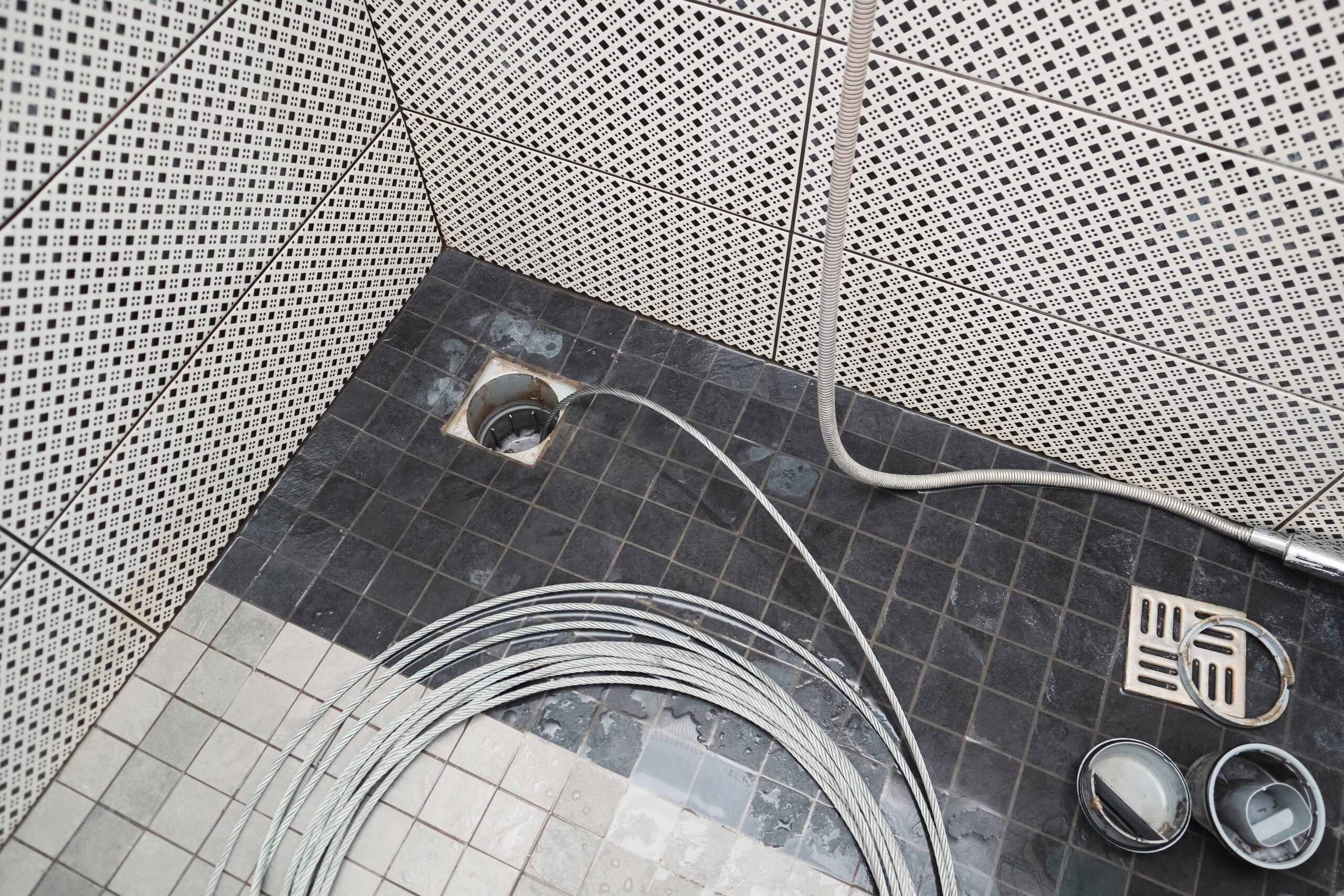
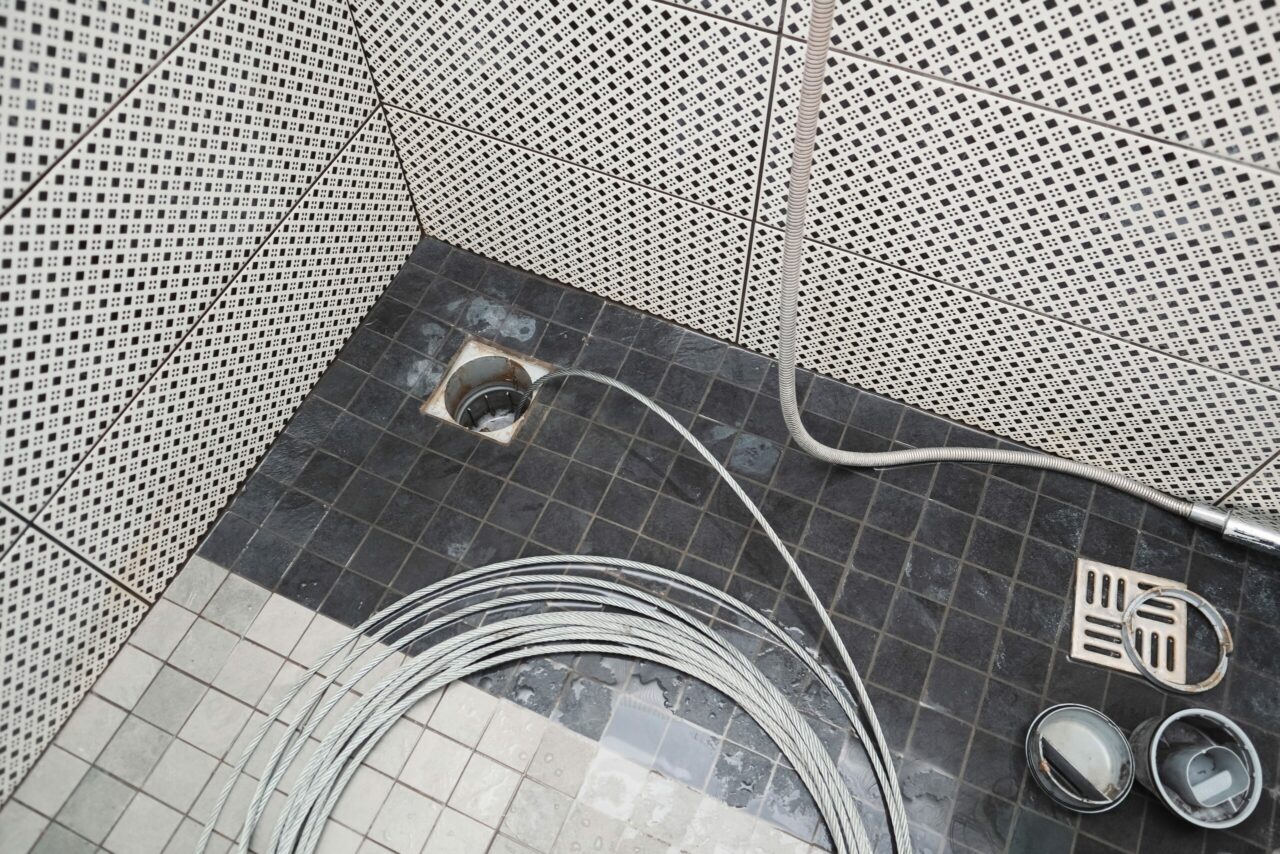
Standing in an inch of cloudy water while the drain gurgles and stalls isn’t just annoying. It’s a job waiting to happen. Hair, soap scum, and mineral deposits don’t clear themselves, and they don’t announce when they’ve gotten bad enough to cause a backup. For plumbers, property managers, and handy homeowners alike, keeping a shower drain clean is one of the simplest pieces of preventive maintenance in a bathroom. It’s also one of the most neglected.
The good news: most shower drain clogs never need a service call if they’re addressed early. The right process takes less than 20 minutes, uses tools already on the truck or under the sink, and leaves the drain flowing at full capacity. Here’s how to do it right.
What Causes Shower Drains to Clog
Hair is the main culprit in most residential shower clogs. It enters the drain, wraps around the strainer basket or pipe walls, and binds with soap scum and conditioner residue to form a fibrous mat that water can’t pass through. Even a short-haired household generates enough hair loss per shower to create significant accumulation over weeks.
Beyond hair, three other materials account for most shower drain blockages:
- Soap scum. Bar soap leaves a waxy residue that coats pipe walls and grabs onto hair and debris.
- Mineral deposits. Hard water leaves calcium and magnesium scale inside drain bodies and strainer baskets, narrowing the flow path.
- Shampoo and conditioner buildup. Heavy conditioners and oil-based body products coat pipe walls over time, especially in lines with lower flow rates.
Most of these issues develop within the first 12 to 18 inches of the drain body, well within reach of a hand snake or auger. A deep-in-the-line blockage usually points to something other than a routine maintenance failure.
Tools and Materials Needed
Getting the drain clean doesn’t require specialty equipment for routine maintenance. For more stubborn clogs, the right tool makes the difference between a quick fix and a callback.
| Tool / Material | Use Case | Notes |
| Rubber gloves | All cleaning tasks | Non-negotiable. Drain work is dirty work |
| Flathead screwdriver | Removing screw-mounted strainers | Phillips needed on some models |
| Hand snake / hair auger | Hair clogs in first 12 to 18 inches | Plastic or steel; barbed heads grab hair better |
| Drain snake (1/4″ cable) | Clogs up to 25 feet deep | M12 drain snake ideal for tight shower lines |
| Baking soda + white vinegar | Routine flush and deodorizing | 1/2 cup each; safe for all pipe materials |
| Enzyme-based drain cleaner | Organic buildup in the line | Safer for pipes than caustic chemical cleaners |
| Small stiff brush | Strainer and drain body scrubbing | Old toothbrush works fine for strainer cleaning |
| Flashlight | Visual inspection | Critical for checking strainer seat and drain body |
For pro use, the Milwaukee M12 Drain Snake Kit handles 2-inch and 2.5-inch shower lines cleanly. It weighs 10 lbs., feeds a 1/4-inch cable through tight traps, and keeps the drum contained so job-site cleanup stays minimal. Need more reach or torque on a stubborn line? The Milwaukee M18 FUEL Drain Snake Kit pushes through 3-inch drain lines and uses CABLE-DRIVE locking feed for consistent pull. Browse the full Drain Snakes category for the right fit.
Step-by-Step: How to Clean a Shower Drain
Work through these steps in order. Steps 1 through 3 handle 90 percent of residential clogs. Steps 4 and 5 cover deeper or more persistent buildup.
- Put on rubber gloves. Drain interiors contain hair, soap residue, and biofilm. Gloves protect against both grime and any chemical cleaners used in later steps.
- Remove the strainer cover. Most shower drain strainers either snap out with a flathead screwdriver or unscrew with one or two Phillips screws. Set the hardware somewhere it won’t roll into the shower floor. Some tile-set drains have a screw-tite barrel that requires a drain key tool to remove.
- Clear visible hair and debris by hand. Use a gloved hand or needle-nose pliers to pull out any hair mass sitting in the drain body or wrapped around the strainer seat. A barbed plastic drain snake works well here. Insert it a few inches, rotate slowly, and pull straight up. Expect to remove a surprising amount of material even from drains that seem to drain acceptably.
- Flush with hot water, then apply baking soda and vinegar. Run the shower on hot for 60 seconds to loosen remaining soap scum. Pour 1/2 cup of baking soda directly into the drain, followed immediately by 1/2 cup of white vinegar. Cover the drain opening with a cloth or bowl to keep the reaction in the pipe rather than bubbling up onto the floor. Let it sit 15 to 20 minutes, then flush with hot water for another 60 to 90 seconds. Note: skip boiling water on PVC drain bodies. Hot tap water is fine; boiling can soften PVC at close range over time.
- Snake the line for persistent slow draining. If the drain is still sluggish after the flush, feed a 1/4-inch cable down the line. Shower traps typically sit 12 to 18 inches from the drain body. Work the cable past the trap with slow rotation, no forcing. Once through, advance another 12 to 18 inches to clear any material clinging to the walls beyond the trap. Retrieve slowly and wipe the cable on each pass.
- Clean the strainer before reinstalling. Scrub the strainer basket or screen with a stiff brush and hot water. Mineral scale responds to a short soak in white vinegar. Wipe the strainer seat inside the drain body as well. Check the strainer for damage. A corroded or warped strainer catches less hair and accelerates future clogging.
- Reinstall the strainer and test. Seat the strainer firmly and reinstall any screws. Run the shower on full hot for two to three minutes. Watch the drain. Water should pull down cleanly with no pooling around the perimeter of the drain body. Any gurgling or slow pull at this stage means the blockage is deeper in the line or there’s a venting issue worth investigating.
Routine Maintenance Schedule
The best drain cleaning is the one that prevents a clog from forming in the first place. A simple maintenance rhythm prevents most service calls and keeps shower lines in good condition year-round.
| Frequency | Task |
| Weekly | Remove any visible hair from the strainer surface after showering. Takes 30 seconds. |
| Monthly | Full cleaning: remove strainer, clear debris, baking soda/vinegar flush, scrub strainer. |
| Every 6 months | Inspect the strainer for corrosion or damage. Snake the line as preventive maintenance in heavy-use showers. |
| As needed | Chemical enzyme treatment for persistent odor from organic buildup in the line. |
Installing a Hair Catcher Strainer
The most effective single upgrade for a chronic shower drain problem is a quality hair catcher. Standard strainers in preformed shower bases use wide-spaced tines that let the majority of hair pass through. A finer-mesh hair catcher installed in the same strainer seat intercepts hair before it reaches the trap.
The Shower Drain Strainers category carries a range of replacement strainers and hair-catching covers sized for both 2-inch and 3-inch standard drain openings. When choosing a replacement, match the outer diameter of the existing strainer (typically 3-1/8 to 4-1/4 inches for preformed base drains) and verify the mounting style: snap-in, screw-tite, or clip.
On a tile-set drain with a clamping ring assembly, the strainer is typically a separate snap-tite barrel strainer that drops into the threaded barrel. The Oatey 2-inch PVC No-Calk Shower Drain and Oatey 2″/3″ ABS Shower Drain both accept 4-1/4″ Universal Snap-Tite strainers, making it easy to upgrade to a finer strainer without replacing the drain body.
When to Call a Plumber
Most shower drain clogs are DIY territory. A few situations call for professional assessment:
- Multiple drains backing up simultaneously. Simultaneous failure across fixtures almost always points to a main line or venting problem, not a localized shower drain clog.
- Gurgling sounds from the toilet when the shower runs. Gurgling indicates a venting deficiency or downstream blockage. A snake in the shower won’t fix either.
- Sewage odor that persists after cleaning. Recurring sewage smell with a clean drain often means a dried trap, a vent issue, or a cracked drain body.
- Recurring clogs within weeks of cleaning. Rapid recurrence means the blockage is beyond the reach of a hand snake, or the strainer isn’t catching what it should.
For equipment selection on professional drain work, the Drain Cleaning with Ease and Efficiency article covers machine types, cable sizing, and application matching in detail. For general clog troubleshooting across fixture types, see The Best Tools for Tackling Every Clog.
FAQs
How often should a shower drain be cleaned?
Monthly deep cleaning, strainer removal, debris clearing, and a hot-water flush, keeps most residential shower drains clog-free. Heavy-use showers, or households with long hair, benefit from a quick weekly surface clear of the strainer.
Is baking soda and vinegar actually effective for shower drains?
Yes, for maintenance. The carbonic acid reaction loosens soap scum and helps dislodge minor buildup from pipe walls. It won’t dissolve a dense hair mat. That needs physical removal first. Use the baking soda/vinegar flush after manually clearing visible debris, not instead of it.
Can boiling water damage shower drain pipes?
Hot tap water is safe for all common drain pipe materials, including PVC, ABS, and cast iron. True boiling water (212°F) can soften PVC connections when poured in quantity at close range. Hot water from the tap runs at 120 to 140°F and won’t cause damage. On PVC systems, skip the kettle and just run the shower on full hot.
What’s the difference between a hand snake and a drain snake machine?
A hand snake (also called a hair snake or manual auger) is a simple barbed plastic or coiled-wire rod used to pull hair from the first 12 to 18 inches of a drain. A drain snake machine uses a motorized flexible cable to push and rotate through longer pipe runs, past traps, and into horizontal drain lines. For shower clogs that don’t clear with manual removal and flushing, a machine with a 1/4-inch cable is the right next step.
Do chemical drain cleaners work on shower drains?
Caustic chemical cleaners (lye-based or sulfuric acid-based) can dissolve organic material in drains, but repeated use degrades gaskets, corrodes older metal fittings, and is harmful to PVC over time. Enzyme-based drain cleaners are a safer alternative for monthly maintenance. They break down organic material without attacking pipe materials or releasing toxic fumes.
Why does the shower drain smell even after cleaning?
Persistent odor after a thorough cleaning usually has one of three causes: a dried trap (the P-trap under the drain has lost its water seal, allowing sewer gas to escape upward), a vent stack issue, or biofilm clinging to the drain body walls beyond where the cleaning reached. Pour a cup of water into the drain to reseal the trap. If the odor returns within days, the issue is likely ventilation-related.
How do hair catchers and strainer upgrades help?
A hair catcher with a fine mesh intercepts hair at the surface before it reaches the trap. The standard tine-style strainers in most preformed bases have gaps wide enough for most hair to pass through. Upgrading to a tighter mesh strainer or an insert-style hair catcher reduces the rate of buildup dramatically and makes the weekly maintenance clear much faster.
What size drain snake cable works for a shower drain?
A 1/4-inch cable is standard for 1-1/2-inch and 2-inch shower drains. It’s flexible enough to navigate a P-trap but stiff enough to push through typical soap-scum and hair clogs. A 3/8-inch cable is appropriate for 3-inch drain lines in commercial showers or older residential installations with larger drain bodies. When in doubt, match cable diameter to pipe size. Undersized cable flexes and kinks before clearing the line.
Can a clogged shower drain cause water damage?
A fully blocked shower drain that isn’t noticed quickly can overflow the pan or base, penetrate grout lines, and saturate the subfloor. Tile shower installations are particularly vulnerable because the clamping ring assembly and weep holes in the drain body can allow water to reach the liner if the drain body is blocked or the weep holes become packed with debris. Routine cleaning keeps the drain body clear and the weep holes open.
When is a slow shower drain a sign of a bigger plumbing problem?
A single slow shower drain that clears quickly with maintenance is almost always a localized fixture clog. Multiple slow drains, slow drains accompanied by gurgling or odor from other fixtures, or a drain that re-clogs within a few weeks of cleaning all point to a main line obstruction, venting deficiency, or structural issue in the drain line. A camera inspection of the drain line is the most efficient diagnostic step when recurring clogs don’t respond to standard cleaning methods.
Clog-Free and Carefree
A clogged shower drain starts as a nuisance. Left alone, it becomes a water damage claim. The fix: manual debris removal, a baking soda and vinegar flush, a good rinse, and a quality strainer. It takes less time than waiting for the water to drain on its own. For trade professionals managing residential properties, the math is simple: a 20-minute monthly maintenance routine eliminates most service calls. For homeowners, a hair catcher strainer and a monthly flush are the only tools the job needs most of the time. Shop shower drain strainers, replacement drains, and professional drain cleaning equipment at SupplyHouse:
Need help with a drain installation? 5 Things to Know Before Installing a Shower Drain covers the most common challenges before the first wrench turns.