
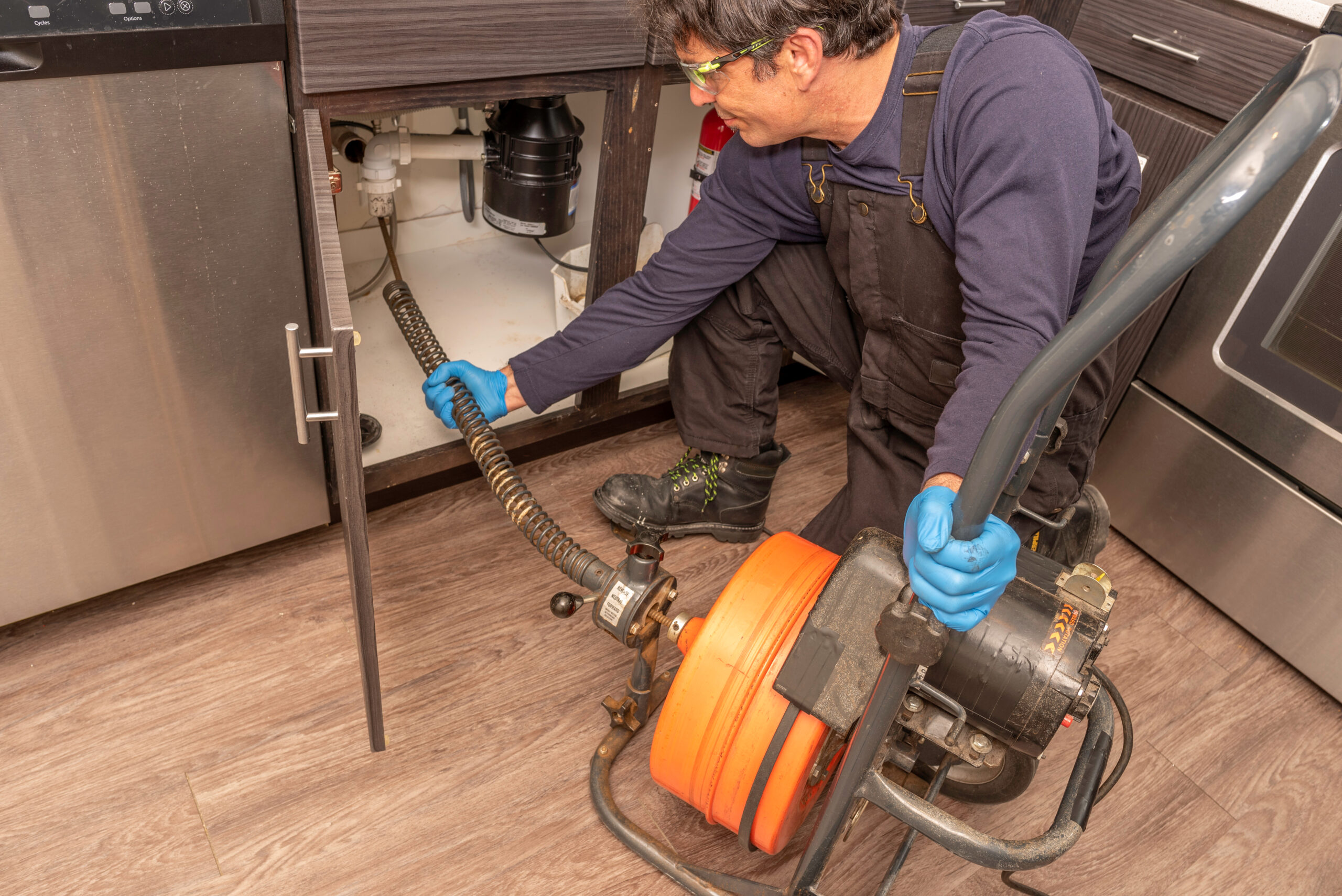

Every drain has its own personality. Some clog gently, others fight back like they’ve been holding a grudge. What separates an easy clear from a long day is simple: using the right drain cleaning machine for the job.
There’s no single “drain cleaner.” There are five main types: handheld machines, sectional machines, drum machines, water jetters, and high-speed systems. Each one is designed for specific pipe sizes, materials, and blockages.
Picking the right one saves hours, reduces callbacks, and keeps the workspace cleaner. Picking the wrong one? No one enjoys pulling out 75 feet of kinked cable by hand.
Below, each drain cleaning category is explained in detail with how it works and when to use it.
Before Choosing a Tool: Read the Line
Drain cleaning isn’t guesswork. The right setup starts with reading the line.
Ask three questions:
- What size is the pipe?
A 1-1/4 inch sink line needs a very different cable than a 4 inch main.
- What’s causing the clog?
Hair, grease, paper, or scale each demand a different attack.
- How far in is the blockage?
Short runs favor handhelds. Long horizontals call for sectionals or jetters.
Once you know that, everything else falls into place.
Handheld Drain Cleaning Machines
Handheld machines handle the quick hits: sink, tub, and shower clogs within about 25 to 35 feet. They’re lightweight, maneuverable, and made for tight spots where a full drum machine won’t fit.
How They Work
A small motor spins a flexible cable inside a drum. Feed it into the drain and the corkscrew head grabs, twists, and clears obstructions. Auto-feed controls make it hands-free, while manual feed gives more control near traps.
When to Use
- Bathroom sinks, tubs, and shower drains
- Kitchen lines with short horizontal runs
- Maintenance work for hair, lint, and food buildup
- Tight under-sink areas where larger machines can’t go
Most handheld units use 1/4 or 5/16 inch cables for 1-1/4 to 2 inch drains. Drop-head augers help navigate back-to-back fixtures.
The RIDGID K-45AF Sink Machine is a compact, variable-speed option built for fixtures that don’t leave much elbow room.
See more options under Drain Snakes and Handheld Drain Cleaners.
Sectional Machines
Sectional machines are the muscle of the group. Instead of one continuous cable, they use multiple short sections, typically 5/8 or 7/8 inch, that connect as needed.
Why They’re Useful
Each section can be swapped or replaced in seconds, so when a cable bends or snaps, you don’t lose the whole run. They generate higher torque than drum machines, ideal for thick, heavy clogs that resist smaller equipment.
Where They Shine
- 1-1/4 to 4 inch lines up to 100 feet
- Stubborn debris, root intrusion, or grease buildup
- Commercial kitchens or older buildings with long laterals
- Jobs requiring multiple access points
Sectionals demand a little more control but reward it with torque and reach. They’re also easier to transport. Carry only the number of sections needed for the job.
Explore Drum & Sectional Machines for modular systems, cables, and replacement kits.
Drum Machines
Drum machines are built for clean, controlled feeding. The cable stays enclosed inside a drum, keeping splatter contained and cleanup minimal. They’re ideal for interior work.
The Setup
A motor rotates a continuous cable through an enclosed drum, feeding smoothly into the pipe. Many use a foot pedal switch for safe, hands-free operation.
When They Work Best
- Residential drains up to 4 inches in diameter
- Long branch lines from sinks or floor drains
- Work in finished basements or interior spaces
- Jobs requiring a single operator
Cables typically range from 3/8 to 1/2 inch, reaching 75 to 100 feet.
For steady indoor work, the RIDGID K-3800 Drum Machine provides smooth feed control and a fully enclosed cable that keeps workspaces tidy.
See more under Drum Machines and Drain Cleaning Cables.
Water Jetters
When a drain isn’t blocked but coated in grease, sludge, or soap scum, a jetter beats any cable. Jetters clear buildup by blasting water at high pressure, restoring full pipe diameter.
How They Work
A pump pushes water through a flexible hose and nozzle at up to 3000 PSI. Rear-facing jets propel the nozzle forward while forward-facing jets cut through buildup. The result is a clean, scoured pipe wall.
Typical Specs
- Pressure: 1500–3000 PSI
- Flow: 1.5–4 GPM
- Coverage: 2 to 10 inch lines
- Hose length: 100–200 feet
Where Jetters Excel
- Restaurant and food-service drains
- Floor drains with grease buildup
- Sludge, sediment, and soap deposits
- Preventive maintenance after cable cleaning
Water jetters are quiet, efficient, and make recurring grease clogs a thing of the past.
Shop Water Jet Drain Cleaners for compact and cart-mounted options.
High-Speed Drain Cleaning Machines
High-speed cleaning is where drain work meets precision. Instead of pushing cable through a clog, high-speed machines spin a chain or brush at thousands of RPMs to scrub the pipe walls clean.
How They Work
The rotating chain expands to fit the pipe diameter, scraping off scale, rust, and residue. Because the cable is sheathed, they can operate alongside inspection cameras, which makes them ideal for diagnosing and verifying in real time.
When They Make Sense
- Restoring full pipe flow after jetting
- Removing scale, mineral buildup, or soft roots
- Working in finished interiors where cleanliness matters
- Combining cleaning with live camera inspection
High-speed systems are faster, lighter, and quieter than traditional drum or sectional models. They also reduce the need for secondary cleanup since debris stays in the pipe until flushed.
Browse High-Speed Drain Cleaners and accessories for cable heads and chain attachments.
Choosing the Right Tool: A Quick Guide
| Drain Type | Recommended Tool | Typical Cable Size | Max Distance |
| Bathroom sink or tub | Handheld | 1/4–5/16 inch | 25–35 feet |
| Kitchen or laundry line | Drum | 3/8 inch | 50–75 feet |
| Floor drain or main line | Sectional | 5/8 inch | 75–100 feet |
| Grease or sludge-heavy | Jetter | Hose 1/4–3/8 inch | 100–200 feet |
| Scale or inspection cleaning | High-speed | Sheathed cable | 70–125 feet |
Cable and Head Selection
Cable and head choice matter as much as machine selection. Using the wrong size or attachment can turn a simple clog into a broken cable.
Cables
- 1/4 and 5/16 inch: short runs, small lines (1-1/4 to 2 inches)
- 3/8 inch: sinks and laundry drains up to 3 inches
- 1/2 and 5/8 inch: floor drains and main lines up to 4 inches
- 7/8 inch: long commercial laterals or root intrusion
Heads
- Bulb auger: soft clogs or initial pass
- Spade or C-cutter: scrapes pipe walls
- Drop head: navigates tight bends
- Chain knocker or brush: used with high-speed units for final polish
View all Cable Head Attachments.
Safety and Operation Tips
Professional drain cleaning is physical work, but a few safety habits make it safer and faster.
- Foot pedal control: always use foot switches for power control
- Protective gear: gloves, goggles, boots every time
- Cable management: wipe and coil after each use to prevent kinks
- Avoid forcing cable: let torque, not muscle, do the work
- Keep interiors clean: guide hoses prevent splashback under sinks
Replacement foot pedals, guide hoses, and cable accessories are available under Drain Cleaning Accessories.
Mistakes That Slow Jobs Down
- Undersized cables twist and tangle before clearing the line.
- Stopping after breakthrough leaves buildup behind. Always finish with a scraper or chain head.
- Using the wrong machine indoors creates unnecessary mess. Sectionals belong outside or in unfinished areas.
- Skipping a camera check wastes time and increases callbacks.
- Ignoring maintenance shortens equipment life and slows performance.
Frequently Asked Questions
When is a jetter better than a cable?
Jetters excel on grease and sludge. Cables punch holes, but jetters wash walls clean.
Can I run a camera while cleaning?
Yes. High-speed systems allow camera inspection during operation, ideal for diagnosing and verifying cleaning progress.
What size cable should I use for a 2 inch line?
A 3/8 inch cable on a drum machine gives the best balance of flexibility and strength.
How far can a handheld go?
Most handhelds max out at about 35 feet. Beyond that, step up to a drum or sectional machine.
Related Reading
The Bottom Line
Every clog tells a story, but every story ends better when the right tool is in the truck. Handhelds clear fixtures fast. Drums handle longer interior runs. Sectionals dig deep and hard. Jetters restore flow like new. High-speed systems finish the job to perfection.
Smart tool selection isn’t about buying more. It’s about matching power, cable, and pipe. That’s how pros clear lines faster, stay cleaner on site, and keep callbacks off the board.
Find everything—machines, cables, heads, and accessories—at Supplyhouse.