
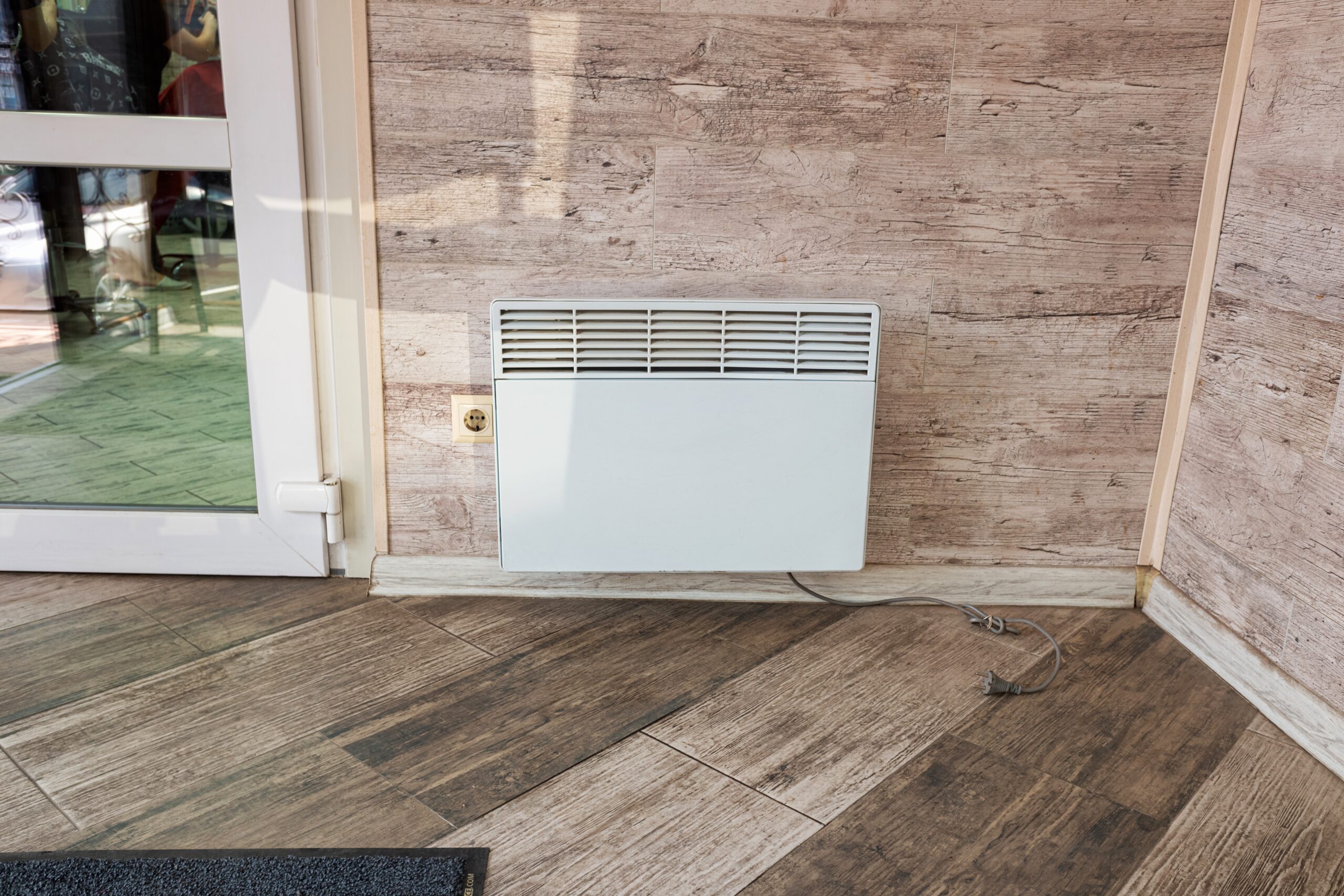

Space heating exists for a reason. Not every room, building, or work area benefits from full central heating. Some spaces are used only part of the day. Others were added years after the original HVAC system was installed. Some simply lose heat faster than the rest of the building.
Garages, workshops, stairwells, mechanical rooms, warehouses, additions, and back-of-house commercial spaces all share one thing in common. They need reliable heat without the cost or complexity of extending ductwork, piping, or hydronic loops. Space heating solves that problem by delivering heat exactly where it is needed.
When applied correctly, space heating improves comfort, reduces strain on central equipment, and keeps installation straightforward.
Quick Takeaways
- Space heating targets specific rooms or zones, not entire buildings
- Electric space heaters are widely used across the US
- Ideal for garages, workshops, stairwells, additions, and utility spaces
- Heater type and sizing matter more than brand selection
- Space heating works best as part of a layered heating strategy
What Is Space Heating?
Space heating refers to equipment designed to heat a defined area rather than an entire structure. Instead of distributing heat through ducts or hydronic piping, space heaters deliver heat directly to the occupied zone.
Common space heating formats include:
- Electric unit heaters for garages, workshops, and open commercial spaces
- Electric wall and ceiling heaters for stairwells, offices, and utility rooms
- Electric baseboard heaters for steady perimeter heat in residential and light commercial spaces
- Fan-forced cabinet heaters for corridors and vestibules
- Radiant and infrared heaters for spot heating and directional warmth
Electric space heating is especially common because it does not require combustion air, venting, or fuel piping. That simplicity makes it practical for retrofits, additions, and utility spaces in every climate zone across the US.
When Space Heating Makes Sense
Space heating works best when heating needs are localized, intermittent, or difficult to serve with central infrastructure.
Typical use cases include:
- Garages and workshops heated only during working hours
- Warehouse work zones inside large, unconditioned volumes
- Stairwells and corridors that require baseline heat
- Mechanical and electrical rooms
- Additions and converted spaces where ductwork was never extended
In colder regions, space heaters are often used to provide fast recovery heat in detached or semi-conditioned areas. In mixed and warmer climates, they are commonly used during shoulder seasons or to address rooms that consistently lag behind the rest of the building.
Why Electric Space Heating Is Often the Practical Choice
Electric space heating is frequently chosen because it removes complexity from the install.
Key advantages include:
- No venting or combustion requirements
- Predictable electrical installation
- Fast heat response
- Independent zone control
- Minimal maintenance
Operating cost depends on heater size, runtime, insulation quality, and local electric rates. For spot heating or part-time use, electric heaters are often more practical than extending or oversizing a central system.
Types of Electric Space Heaters and Where They Fit
| Heater Type | Typical Applications | Why It’s Used |
| Electric unit heaters | Garages, workshops, warehouses | Fast recovery, handles large air volume |
| Wall and ceiling heaters | Stairwells, offices, utility rooms | Compact, quick response |
| Electric baseboard heaters | Bedrooms, apartments, offices | Quiet, even convection heat |
| Cabinet heaters | Corridors, vestibules | Flexible mounting |
| Radiant heaters | Workshops, spot heating | Direct heat to people or objects |
Unit Heaters for Garages, Shops, and Open Volumes
Electric unit heaters are one of the most common space-heating solutions for garages, workshops, and warehouse zones. They mount overhead or on walls, move air efficiently, and recover temperature quickly when doors open or equipment cycles on and off.
Supplyhouse carries a wide range of electric unit heaters sized for residential garages through commercial workspaces.
For real-world application guidance, see Warm Up Your Workspace with a Unit Heater on the Supplyhouse blog.
Wall and Ceiling Heaters for Fast Zone Heat
Wall and ceiling heaters are commonly used in stairwells, offices, bathrooms, and utility spaces where floor space is limited and quick warm-up matters.
These heaters are easy to control on a room-by-room basis and are available in a wide range of wattages. Options are available under Electric Ceiling & Wall Heaters.
Baseboard Heaters for Steady Perimeter Heat
Baseboard heaters provide consistent convection heat along exterior walls. They are common in residential bedrooms, apartments, and light commercial spaces where quiet, even heat is preferred.
Supplyhouse stocks a full range of electric baseboard heaters in multiple lengths and wattages, making it easier to match heater output to room size.
Where Qmark Fits In
Within the broader space heating category, Qmark focuses on commercial-grade electric heaters built for durability and consistent output. Qmark products are commonly specified for stairwells, mechanical rooms, workshops, and utility spaces where reliability matters more than aesthetics.
Supplyhouse groups those products under the Qmark brand page, including unit heaters, cabinet heaters, and baseboard options such as Qmark electric baseboard heaters.
Qmark is one option among many, and selection should always be driven by application, load, and installation requirements.
Controls Matter as Much as the Heater
Electric space heaters rely on proper controls to operate efficiently. Line-voltage thermostats are commonly paired with baseboards, wall heaters, and fan-forced units.
A common example is the Honeywell LineVoltPRO thermostat, designed specifically for electric heat. Additional options are available under line-voltage thermostats.
For wiring fundamentals, Supplyhouse’s blog includes How to Wire a Thermostat.
Heater Sizing Basics
Correct sizing prevents comfort complaints and wasted energy.
General guidelines to consider:
- Room square footage
- Ceiling height
- Insulation quality
- Number of exterior walls
- Desired temperature rise
As a rough reference, many electric heaters are sized around 10 watts per square foot in well-insulated spaces, with higher requirements for garages, workshops, and poorly insulated areas. Always confirm sizing with manufacturer guidance.
Tight Spaces and Supplemental Heating
Some areas cannot accommodate wall or baseboard heaters. Kickspace heaters solve that problem by installing under cabinets or vanities while still delivering meaningful heat.
A practical overview is covered in Kickspace Heaters 101 on the Supplyhouse blog.
Frequently Asked Questions
What is space heating used for?
Space heating provides heat to a specific room or zone rather than an entire building. It is commonly used for supplemental heat, cold spots, or spaces not served efficiently by central systems.
What type of space heater works best for a garage?
Electric unit heaters are commonly used in garages and workshops because they heat quickly and handle open layouts well.
Are wall heaters or baseboards better for small rooms?
Wall heaters provide faster warm-up. Baseboards offer steady, even heat. The best choice depends on room layout and usage.
Can space heating replace central heat?
Space heating usually works best as supplemental or zoned heat. Whole-building heating with space heaters requires careful electrical planning.
Bottom Line
Space heating works best when it solves a specific problem. Targeted electric heat can improve comfort in garages, workshops, stairwells, and additions without extending ductwork or piping where it does not belong.
With a wide range of electric space heating options available at Supplyhouse, including commercial-focused brands like Qmark, contractors and homeowners have flexible tools to handle real-world heating needs across the US.