
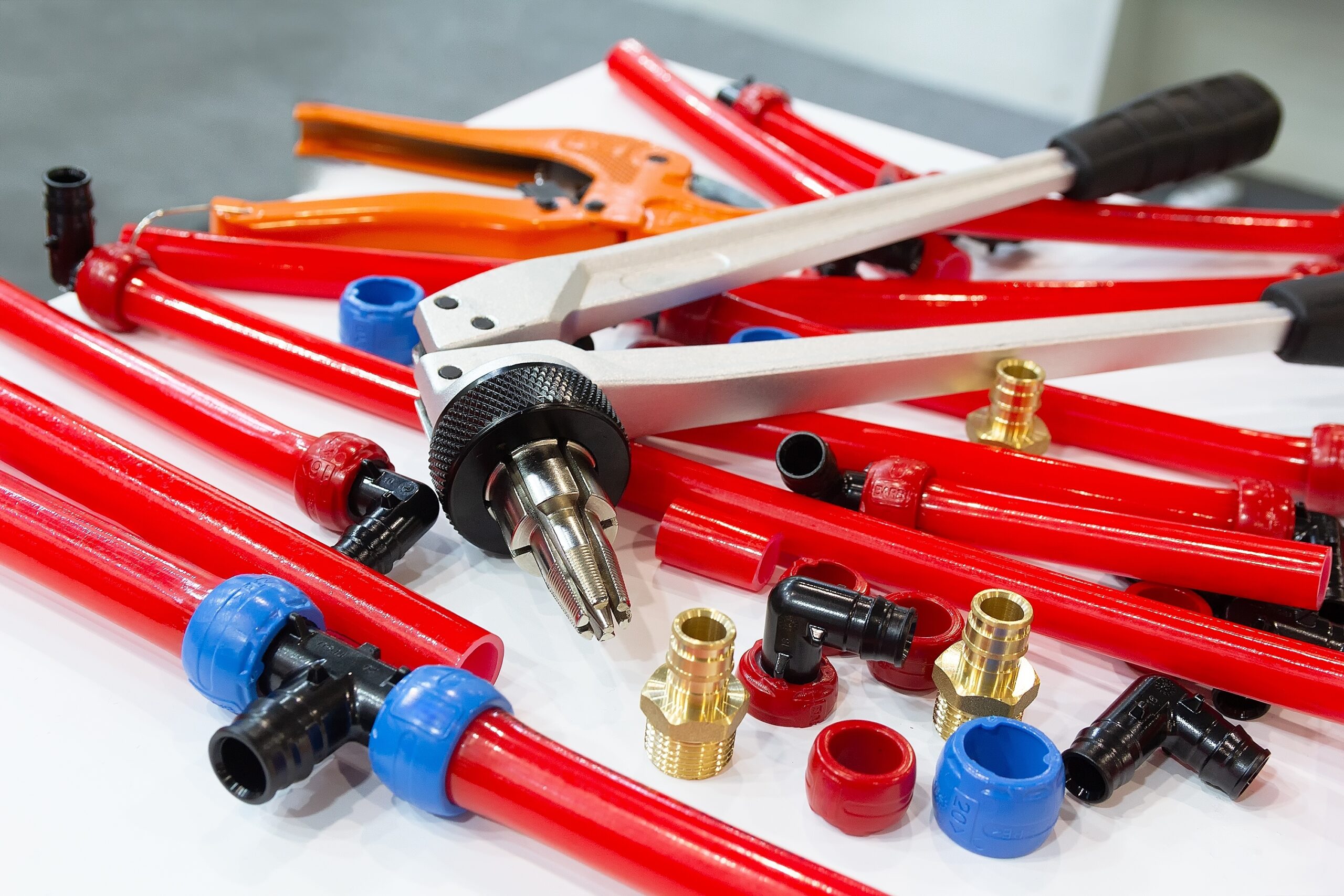
 PEX tubing replaced copper on more residential rough-ins than any other material over the past decade, and most crews could install it with their eyes closed. The Plastics Pipe Institute changed the rulebook anyway. Its newly published third edition of the PEX Plumbing Distribution Systems Design and Installation Guide is the first full rewrite since 2013, and it reflects thirteen years of code updates, joining-system innovation, and lessons learned from millions of installs. Crews who skim it now avoid callbacks later.
A Guide Thirteen Years in the Making
PPI’s Building & Construction Division, working alongside the Plastic Pipe and Fittings Association and Home Innovation Research Labs, released the guide with support from IAPMO and the International Code Council. Lance MacNevin, P. Eng. and senior director of engineering for PPI’s Building & Construction Division, noted that PEX has moved well past its residential roots and now shows up regularly in commercial plumbing thanks to its flexibility, resilience, and installation speed. The 156-page document is a full rewrite rather than a patch job, packed with new graphics, updated material data, and design recommendations that reflect current code language.
For a plumber running rough-in day after day, the update matters less as reading material and more as a reference point. Inspectors, engineers, and manufacturers lean on documents like this one when questions come up about joining methods, support spacing, or design layout. Knowing what changed keeps a crew from getting caught flat-footed on a plan review.
What Actually Changed
| Topic | What’s New in the Third Edition |
| Material Properties | Updated data reflecting current PEX-A, PEX-B, and PEX-C formulations, plus newer tubing, manifold, and fitting designs. |
| Code Acceptance | Alignment with current model plumbing codes rather than 2013-era language, closing gaps that used to send installers hunting for local amendments. |
| Joining Systems | Expanded coverage of expansion, crimp, clamp, and press connections, with more detail on which system suits which application. |
| Design & Layout | New recommendations for manifold placement, home-run versus trunk-and-branch layouts, and commercial distribution design. |
| Water Service Lines | A new section addressing PEX water service line design, a gap the second edition never covered. |
Where the Update Hits the Jobsite
Joining Systems Get a Closer Look
The guide spends more time than before comparing connection methods, and the choice still comes down to speed, cost, and reliability in the field. Expansion fittings made with the Engel method remain the standard for PEX-A, and crews already running a Milwaukee M12 FUEL ProPEX Expander or the larger M18 ProPEX Expansion Tool Kit will find their workflow lines up closely with the guide’s updated recommendations. Crimp and clamp connections, still common on PEX-B and PEX-C installs, get their own expanded treatment for jobs where an expansion tool isn’t practical.
Manifold layout gets more attention too. A home-run system built around ProPEX-style manifolds distributes water more evenly and isolates individual fixtures without shutting down the whole house, a detail the updated guide calls out specifically for retrofit work.
Support Spacing and Thermal Movement
PEX expands and contracts more than copper, something every experienced installer already accounts for with expansion loops and manufactured supports. The third edition tightens up the guidance on hanger spacing and anchor point placement, particularly on long commercial runs where thermal movement adds up fast. Getting this wrong doesn’t usually show up on day one. It shows up eighteen months later as a noisy, stressed joint.
Commercial Work Keeps Climbing
PEX has quietly become a serious player in commercial plumbing, not just single-family rough-ins. Fire-resistant construction ratings, favorable listings for return-air plenum installations, and lower material costs compared to copper have pulled more commercial specs toward PEX-A tubing in particular. The updated guide reflects that shift with dedicated commercial design content that didn’t exist in the 2013 edition.
Getting a Crew Up to Speed
- Download the free third-edition guide from PPI’s Building and Construction Division website and skim the sections on joining systems and design layout first.
- Compare current inventory against the updated material specs, especially manifold and fitting choices used on repeat projects.
- Confirm expansion tools and heads on hand match the sizes and ring types called out for the jobs being run.
- Review hanger and anchor spacing on any long commercial runs currently in the pipeline.
- Flag any local code amendments that still reference the outdated 2013 guidance to avoid conflicting instructions on a plan review.
Stock Check Before the Next PEX Job
- PEX-A tubing sized for the run, paired with a compatible expansion tool such as the Milwaukee M12 FUEL ProPEX Expander
- A manifold system suited to the layout, whether that’s a ProPEX-style manifold or a compression manifold for tool-free installs
- Fresh ProPEX or crimp rings matched to tubing diameter, sourced from the PEX Fittings & Pipe Connectors line
- Manufactured pipe supports for horizontal runs, extending hanger spacing without sacrificing code compliance
- Documentation on hand in case an inspector references the updated PPI guide during a walkthrough
Frequently Asked Questions
Is the new PEX guide a code document, or just a reference guide?
It’s a voluntary industry guide, not a code itself, but it’s built to align with current model plumbing codes and gets cited often by engineers and manufacturers when questions come up.
Does the third edition change which PEX type works for potable water?
No. PEX-A, PEX-B, and PEX-C remain approved for potable water when they carry NSF-pw or NSF/ANSI 61 certification. The guide clarifies application differences rather than changing approval status.
Do existing ProPEX tools need replacement because of the update?
Not typically. The guide reflects current tool and fitting technology rather than introducing new hardware requirements, so existing Milwaukee or manual expansion tools remain compatible.
How does the updated guide affect PEX-AL-PEX installations?
PEX-AL-PEX gets its own updated design notes, particularly for applications where its shape memory and reduced thermal expansion matter, such as baseboard runs and tight boiler room connections.
Is the guide relevant for residential-only shops, or mainly commercial crews?
Both. Residential installers benefit from the clearer joining-system comparisons, while commercial crews get the expanded design and support-spacing content that wasn’t in the 2013 edition.
Where can a copy of the guide be found?
PPI’s Building and Construction Division website offers a free download of the full 156-page guide, with printed copies expected later in 2026.
Does the update change hanger spacing requirements set by local code?
Local code still governs minimum requirements. The guide’s updated spacing recommendations work within those limits and add detail on using manufactured supports to extend spacing safely.
Will inspectors start asking about the third edition specifically?
Some might, especially on commercial jobs with engineered plumbing sets. Even when an inspector doesn’t reference it directly, plan reviewers and specifying engineers increasingly draw from the updated guide.
Does the guide address PEX water service lines?
Yes, for the first time. The third edition adds a dedicated section on PEX water service line design, closing a gap installers previously filled with manufacturer literature alone.
How often does PPI update this guide?
The second edition lasted from 2013 until 2026, so updates aren’t frequent. Treat this version as the reference for the next several years rather than something due for another quick revision.
No Sweat, Just Solid Connections
PEX earned its spot on the truck by being fast, forgiving, and leak-resistant, and the new PPI guide doesn’t change that reputation. It reinforces it with better documentation. Crews that spend twenty minutes reviewing the updated joining-system and design-layout sections walk into the next plan review or inspection already speaking the same language as the guide everyone else now cites.