
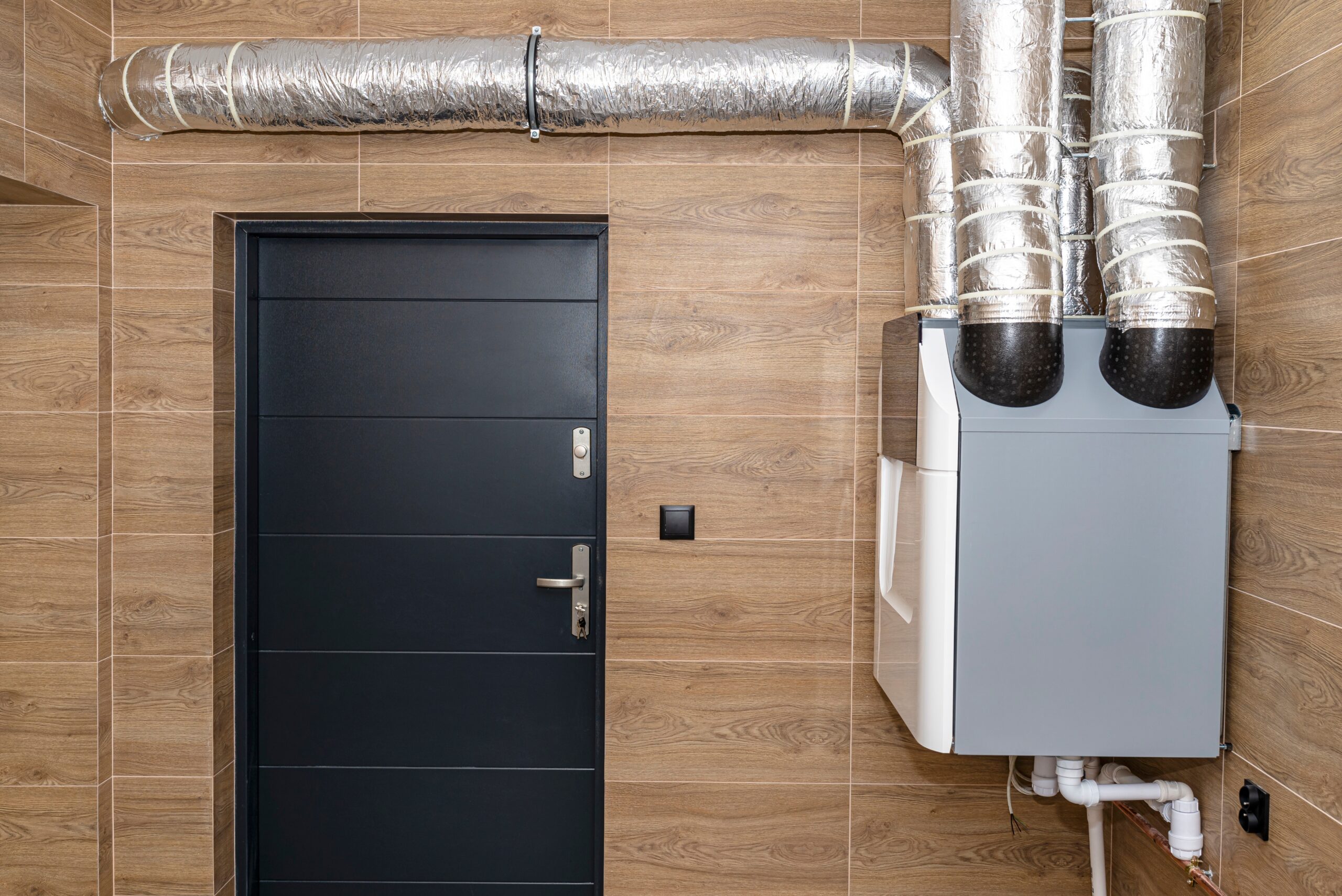
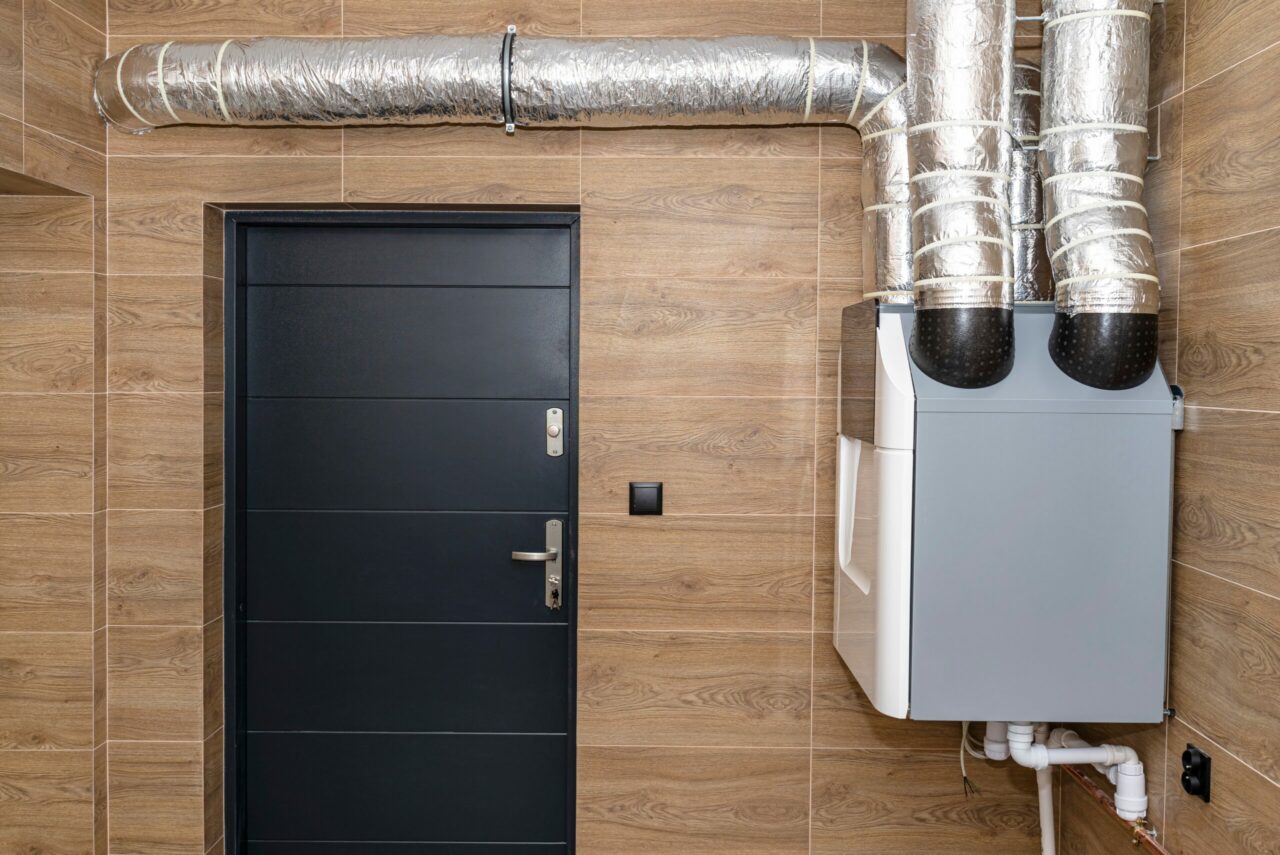
A well-sealed home keeps the heat in where it belongs. But it also keeps in everything else — humidity, smells, and a little too much CO₂. That’s where balanced ventilation comes in.
Heat Recovery Ventilators (HRVs) and Energy Recovery Ventilators (ERVs) pull in fresh air and push out stale air without throwing away the energy.
Both keep air clean and utility bills sane, but they don’t treat moisture the same way. And that one difference can change everything about how your home feels, runs, and lasts.
HRV vs ERV: Quick Comparison
| Feature | HRV (Heat Recovery Ventilator) | ERV (Energy Recovery Ventilator) |
| Transfers heat | Yes | Yes |
| Transfers moisture | No | Yes |
| Best for | Cold or dry climates | Warm or humid climates |
| Controls indoor humidity | Removes excess moisture | Balances indoor humidity |
| Helps in summer | Pre-cools incoming air | Reduces added moisture load |
| Helps in winter | Retains heat, expels humidity | Retains both heat and some moisture |
| Typical uses | Northern or dry regions | Mixed or humid regions |
How Each System Works
An HRV uses two separate air streams that pass through a heat-exchange core. As warm, stale air exits the home, it transfers its heat to the cold, incoming fresh air without mixing. Moisture stays on its own side, so the system removes humidity while retaining warmth.
An ERV works similarly but uses a special membrane core that allows both heat and some moisture to pass between the air streams. That small moisture transfer keeps the indoor air from drying out too much in winter and reduces incoming humidity in summer.
Both systems are balanced, meaning they exhaust and supply equal amounts of air. This prevents pressure imbalances that can cause drafts, infiltration, or combustion issues.
Browse the full range of Heat and Energy Recovery Ventilators on SupplyHouse:
https://www.supplyhouse.com/Heat-and-Energy-Recovery-Ventilators-18060000
When to Use HRV vs ERV
Climate and humidity control goals determine which system performs better.
Cold or Dry Climates
In places with long heating seasons, an HRV is the go-to. It removes moisture that can lead to condensation and mold growth while keeping warm air inside.
Models like the Broan B160H65RT and Fantech VHR150 are popular choices for homes in northern regions because they include built-in defrost systems and durable, washable core filters.
Hot or Humid Climates
ERVs shine in humid climates, where the real job is keeping outdoor moisture out. Their core transfers both heat and a controlled amount of humidity, easing the load on cooling equipment and keeping indoor conditions stable.
The Panasonic Intelli-Balance 100 FV-10VEC2 and Fantech SER450 both maintain steady airflow and balanced humidity even in coastal or southern climates.
Mixed or Swing Climates
In regions that switch from heating to cooling several times a year, ERVs provide the most consistent comfort. They stabilize indoor humidity across all seasons, making them a good fit for most mid-Atlantic, Midwest, and Pacific Northwest installations.
Understanding Energy and Humidity Transfer
The core inside every HRV or ERV determines how efficiently energy and moisture move between the airstreams.
-
- Sensible heat transfer efficiency: The percentage of heat recovered from the exhaust air. Most modern HRVs and ERVs range from 60–90 percent.
-
- Latent transfer (ERV only): The amount of water vapor transferred between the two air streams, typically 40–70 percent depending on conditions.
The higher the efficiency, the more energy you recover. Over time, that translates to real savings on heating and cooling bills while maintaining better indoor air quality.
How to Size an HRV or ERV
Undersizing leads to stale air and uneven temperatures. Oversizing wastes energy and can make the system noisy. Always consult your local codes for sizing requirements.
Here’s the basic method:
-
- Multiply 0.01 CFM by the total square footage of the home.
-
- Add 7.5 CFM per person (based on the number of bedrooms + 1).
Example:
For a 2,000-square-foot home with 3 bedrooms:
-
- 0.01 × 2,000 = 20 CFM
-
- 7.5 × 4 = 30 CFM
-
- Total = 50 CFM continuous ventilation
Then add a boost mode that runs at 1.5–2 times the continuous rate for high humidity moments like cooking or showering.
When selecting a unit, always compare your airflow target to the fan curve at your expected external static pressure (usually between 0.2 and 0.6 inches w.c.). That’s the real-world airflow, not the “free air” number on the box.
Duct Design
Even the best HRV or ERV won’t perform if the ducts are poorly designed.
Best Practices for Layout:
-
- Use dedicated supply and exhaust ducts whenever possible.
-
- Supply air to living areas and bedrooms, exhaust from bathrooms and laundry spaces.
-
- If connecting to an HVAC system, tie the supply to the return duct and interlock it so both fans run together.
-
- Keep total system friction under 0.15 in. w.c.
-
- Use long-radius elbows and short, straight runs.
-
- Keep flex duct tight and avoid sharp bends.
-
- Install balancing dampers on each branch.
-
- Separate exterior hoods by at least six feet to prevent cross-contamination.
-
- Include a condensate drain and trap if required by the model.
A properly balanced duct system will keep airflow even and reduce noise while protecting the fan motors from unnecessary strain.
Frost and Cold Weather Performance
In freezing weather, moisture from the exhaust air can frost the core of an HRV or ERV. That buildup restricts airflow and reduces energy recovery.
To prevent this, most cold-climate models use one of three frost control strategies:
-
- Timed recirculation – The unit temporarily switches to indoor air to melt frost.
-
- Preheat system – A small electric or hydronic coil warms incoming air before it reaches the core.
-
- Exhaust-only defrost – The exhaust fan cycles to clear frost without adding much energy cost.
If you work in subfreezing regions, look for models rated for “cold climate operation” and check that a defrost control is built in.
Controls and Everyday Use
The best ventilation systems are the ones occupants forget are even running. Controls should be straightforward, reliable, and easy to adjust.
A good control strategy includes:
-
- Continuous low-speed operation
-
- Timed boost mode for humidity spikes
-
- Optional humidity or CO₂ sensor for automatic control
-
- Interlock wiring if the ventilator connects to an HVAC blower
-
- Simple wall control or display that shows mode and status
Both Broan and Panasonic offer simple plug-in controllers that pair directly with their ventilators.
Maintenance and Longevity
Balanced ventilation systems require basic upkeep to keep performance high and energy use low.
Twice a year, check:
-
- Filters: Replace every 3–6 months or sooner if dusty. Use MERV 8–13 filters for the supply side.
-
- Core: Vacuum or wash per manufacturer instructions.
-
- Fans: Wipe blades if accessible.
-
- Condensate drains: Clean and prime before winter.
-
- Exterior hoods: Clear debris, lint, or frost.
Dirty filters and neglected drains are the most common reasons systems underperform. Replacement filters, motors, and cores are stocked under HRV and ERV Replacement Parts:
https://www.supplyhouse.com/Fantech-HRV-ERV-Replacement-Parts-31423000
Energy Savings in the Real World
An HRV or ERV doesn’t just make the air feel better—it saves real energy. By reclaiming 60–90 percent of heat that would otherwise leave through exhaust, a properly sized unit can cut ventilation-related heating costs by 30–50 percent compared to exhaust-only setups.
In summer, an ERV also reduces the amount of moisture entering the home, meaning the air conditioner runs less often and dehumidifies more effectively.
Over a full year, that translates into measurable savings while keeping indoor air fresh and balanced.
Common Mistakes to Avoid
-
- Choosing an ERV in a cold, dry climate and ending up with condensation issues.
-
- Forgetting to check fan curves, leading to noisy or underperforming systems.
-
- Skipping balancing dampers, which causes uneven airflow.
-
- Running long, sagging flex ducts that increase static pressure.
-
- Ignoring frost protection in cold climates.
-
- Not wiring a boost switch near bathrooms or kitchens.
Correcting these details after the fact costs more than doing them right upfront.
Bottom Line
HRVs and ERVs both deliver balanced, energy-efficient ventilation. The main difference is moisture transfer. HRVs remove it, ERVs balance it.
If you live in a cold or dry climate, go HRV. If you’re in a humid or mixed climate, go ERV. For everything else, match the system to your humidity goals and building tightness.
Browse the full range of Heat and Energy Recovery Ventilators to compare models, airflow capacities, and frost control features:
https://www.supplyhouse.com/Heat-and-Energy-Recovery-Ventilators-18060000
Balanced ventilation isn’t a luxury—it’s the final step in building or retrofitting for real comfort and efficiency.
Frequently Asked Questions
What’s the difference between an HRV and an ERV?
HRVs transfer heat only. ERVs transfer both heat and a controlled amount of moisture. HRVs are better for cold or dry regions; ERVs for humid or mixed climates.
Can an HRV or ERV replace bathroom fans?
Usually not. Codes typically require a dedicated bath exhaust. An HRV or ERV can supplement that ventilation but should not replace it unless local code allows.
How often should filters be replaced?
Check every three months, replace every three to six months depending on dust and air quality.
Do ERVs dehumidify the air?
No. ERVs moderate humidity by transferring moisture but don’t remove it. You still need a dehumidifier or air conditioner in humid climates.
Do HRVs need a drain line?
Yes. Most HRVs and some ERVs collect condensation during winter and need a drain line with a trap.
Can I install one myself?
DIYers can handle straightforward installations if they’re comfortable with ducts and wiring, but system balancing is critical. It’s often best to have a professional commission the system.
How much energy can an HRV or ERV save?
Depending on the model and climate, they can recover 60–90 percent of exhaust heat, lowering annual ventilation energy costs by up to half.
Do these systems need regular maintenance?
Yes. Dirty filters or blocked drains reduce airflow and efficiency. Regular cleaning keeps the system running like new.