
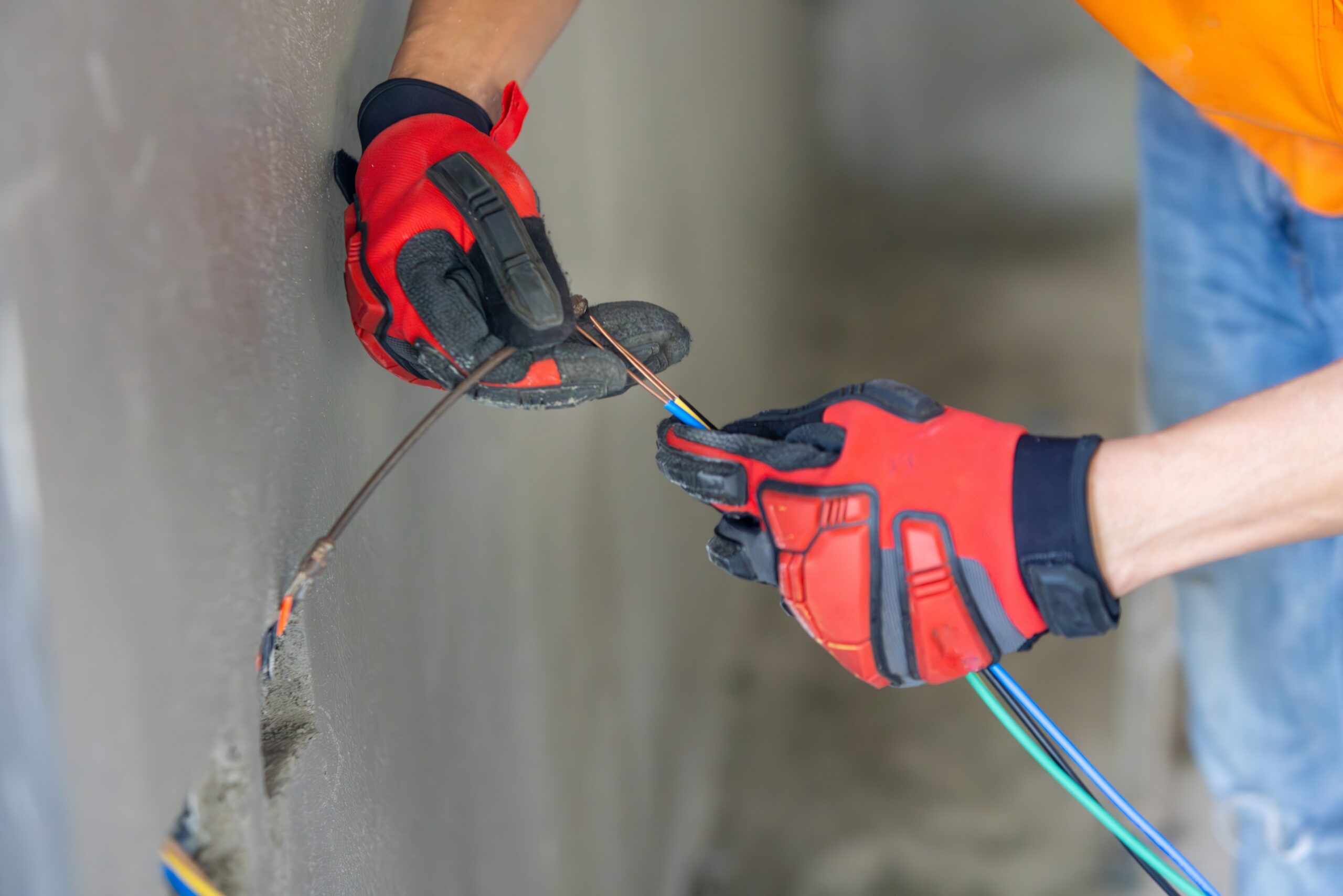
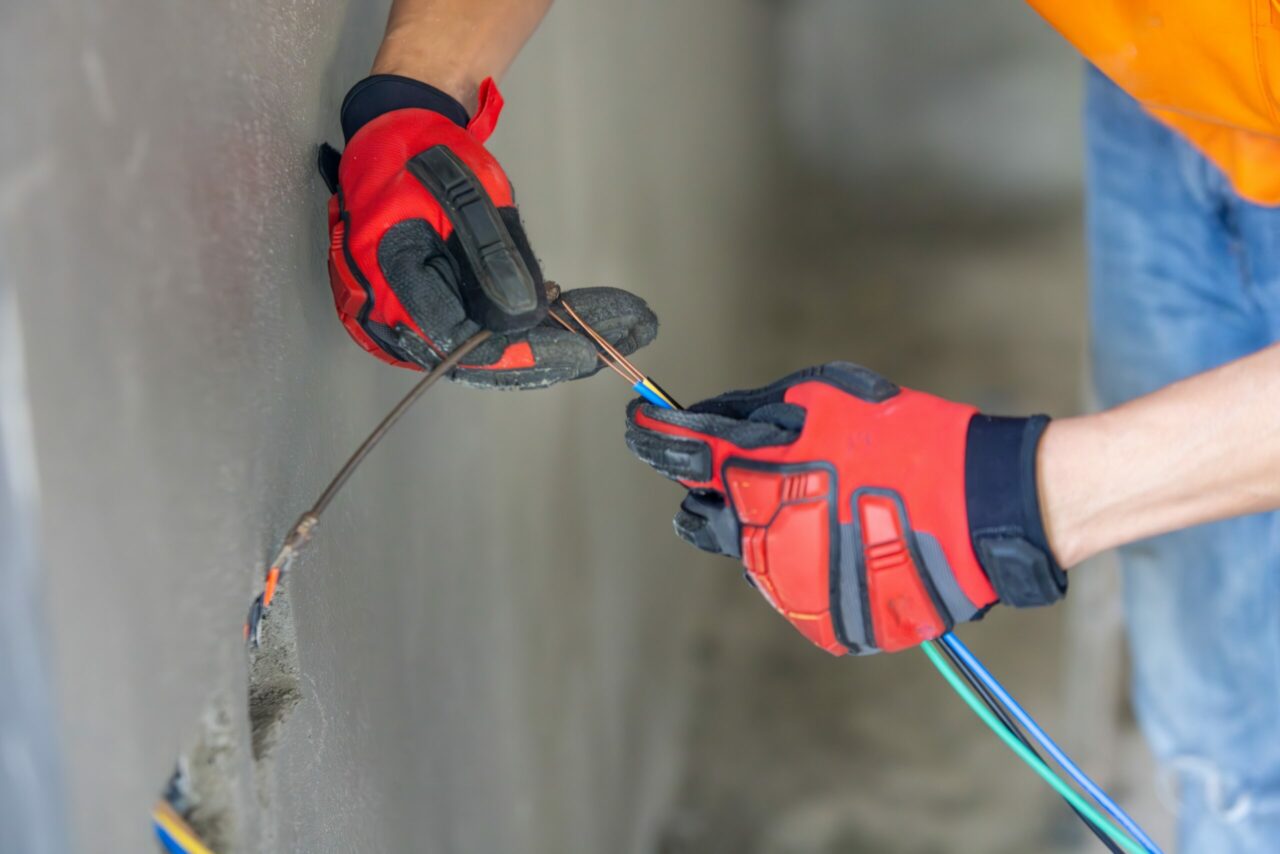
Running new wire through finished walls or conduit is one of those jobs that looks simple until it is not. Fish tape exists to make hidden wire pulls controlled instead of chaotic.
Whether feeding THHN through EMT, pulling branch circuits through studs, or fishing low-voltage cable in a finished retrofit, the same principles apply. Control the path. Control the connection. Control friction.
What a Fish Tape Does and Why It Matters
A fish tape is a long, narrow, flexible strip of steel or fiberglass stored in a reel. Its job is to travel through an enclosed pathway so conductors can attach to it and be pulled back through.
Every pull follows the same two-phase method:
- Feed the tape through the path.
- Attach conductors and pull them back.
That sounds basic. The details determine whether the job takes ten minutes or two hours.
Fish tape becomes critical in:
- Finished wall retrofits
- Long conduit runs
- Tight mechanical rooms
- Multi-bend raceways
- Panel upgrades requiring added circuits
It is not about strength. It is about control.
Fish tape options live here:
https://www.supplyhouse.com/Fish-Tape-Accessories-19713000
Steel vs Fiberglass Fish Tape
Material selection changes performance.
| Type | Best Application | Performance Characteristics |
| Steel | Long straight conduit runs | High push force, strong memory |
| Fiberglass | Unknown or energized spaces | Non-conductive, safer in uncertain environments |
| Nylon or polymer | Short tight cavity runs | Flexible, less aggressive push |
Steel excels in long EMT or PVC runs where pushing power matters. Fiberglass reduces risk around live systems or in congested panels. Matching material to job reduces binding and damage.
Step 1: Evaluate the Path Before Feeding
Most stuck pulls begin with poor planning.
Before inserting fish tape:
- Confirm conduit diameter and expected conductor count
- Estimate total run length
- Count bends and identify tight radius sections
- Check for fire blocking in walls
- Verify circuits in the area are de-energized
Wire and cable options live here:
https://www.supplyhouse.com/Electrical-Wire-20670000
A run with multiple 90 degree bends behaves very differently from a straight 40 foot shot. Bend count matters as much as distance.
Understanding Conduit Fill and Friction
Conduit fill limits exist for a reason. Overfilled conduit increases pull tension dramatically.
Three factors drive friction during a pull:
- Conductor quantity
- Conductor jacket type
- Number and severity of bends
As friction rises, the risk of insulation damage rises.
Conduit fittings live here:
https://www.supplyhouse.com/Electrical-Fittings-20580000
Long runs with three or more bends often benefit from staged pulls using accessible junction boxes.
Step 2: Feeding the Fish Tape Correctly
Insert the fish tape slowly with steady forward pressure.
Technique matters:
- Keep one hand near the feed point to guide alignment
- Rotate gently when resistance appears
- Avoid snapping or whipping motions
- Stop if resistance increases sharply
If the tape binds, pulling back slightly and refeeding often clears minor obstructions. Forcing forward creates kinks that permanently weaken the tape.
When possible, feed from the end with fewer bends. Feeding from the easier direction reduces cumulative friction.
Step 3: Build a Clean, Tapered Connection
The connection between fish tape and conductor is the most common failure point.
A strong connection must:
- Withstand sustained tension
- Present a smooth, tapered leading edge
Recommended attachment method:
- Strip a small section of insulation from each conductor.
- Thread copper through the fish tape eyelet.
- Twist conductors tightly around the tape.
- Wrap electrical tape tightly and smoothly.
- Form a gradual taper so nothing protrudes.
Electrical tape:
https://www.supplyhouse.com/Electrical-Tape-36661000
A bulky joint catches at couplings. A tapered joint slides.
Step 4: Pull With Controlled Tension
Pulling requires coordination.
Best practice for longer runs:
- One person feeds and maintains alignment
- One person pulls steadily
- Both communicate about resistance changes
Jerking increases risk of:
- Insulation scraping
- Connection separation
- Sudden release and recoil
For runs over 50 feet or with multiple bends, pulling lubricant lowers friction and reduces strain.
Wire pulling lubricant:
https://www.supplyhouse.com/Wire-Pulling-Lubricant-19933000
Lubricant reduces jacket heat buildup and helps preserve insulation integrity.
Fishing Wire Through Finished Walls
Finished wall fishing differs from conduit pulls.
Common challenges:
- Fire blocks
- Insulation density
- Unexpected horizontal bracing
- Limited visibility
Field tips:
- Drop from attic when possible
- Use fiberglass tape in uncertain environments
- Keep the leader smooth
- Move slowly when passing insulation
Low-voltage wiring often uses different cable types and handling requirements. Options live here:
https://www.supplyhouse.com/Electrical-Wire-20670000
Patience prevents drywall repair.
When to Use Fish Rods Instead
Fish rods are rigid sectional tools used for short cavity runs.
Fish rods are ideal for:
- Short vertical drops
- Open stud bays
- Attic to wall plate runs
Fish tape wins on length and enclosed conduit runs. Fish rods win on steering precision.
Troubleshooting Stuck Pulls
Tape stops hard at one location
Likely cause: tight bend or obstruction
Fix: back out slightly, rotate, refeed
Wire starts pulling but binds halfway
Likely cause: friction buildup or dry conduit
Fix: add lubricant and pull steadily
Tape kinks during feed
Likely cause: excessive force at obstruction
Fix: remove and inspect tape before continuing
Insulation scuffed after pull
Likely cause: high friction or sharp fitting edges
Fix: inspect conduit fittings and use lubricant
Tool Checklist for Clean Pulls
| Tool | Function |
| Fish tape | Navigate conduit or wall cavities |
| Fish rods | Short straight cavity runs |
| Pulling lubricant | Reduce friction |
| Electrical tape | Secure smooth tapered connection |
| Voltage tester | Confirm de-energized circuits |
Electrical tools category:
https://www.supplyhouse.com/Electrical-Tools-19704000
Best Practices That Reduce Callbacks
- Stay within conduit fill limits
- Use lubricant on longer runs
- Avoid sharp jerking motions
- Taper the leader connection
- Replace damaged fish tape
Most wire damage occurs at bends and couplings. Most callbacks trace back to rushed pulls.
FAQ: Using a Fish Tape
How far can a fish tape reach?
Most models range from 25 to 240 feet depending on material and width.
Can fish tape damage existing wiring?
Yes. Aggressive feeding can scrape insulation.
Is lubricant necessary for short runs?
Short straight runs often do not require it. Longer or multi-bend runs benefit significantly.
Steel or fiberglass for conduit pulls?
Steel pushes better. Fiberglass adds protection when electrical exposure is uncertain.
Final Takeaway
Fish tape rewards preparation and restraint. Clean feeding, a properly built connection, and steady tension turn difficult pulls into predictable ones.
Muscle does not solve friction. Planning does.
Count bends. Respect conduit fill. Use lubricant when friction rises. Keep the leader smooth. Stop forcing past resistance.
A controlled pull protects insulation, saves time, and reduces rework. That is the goal on every job.