
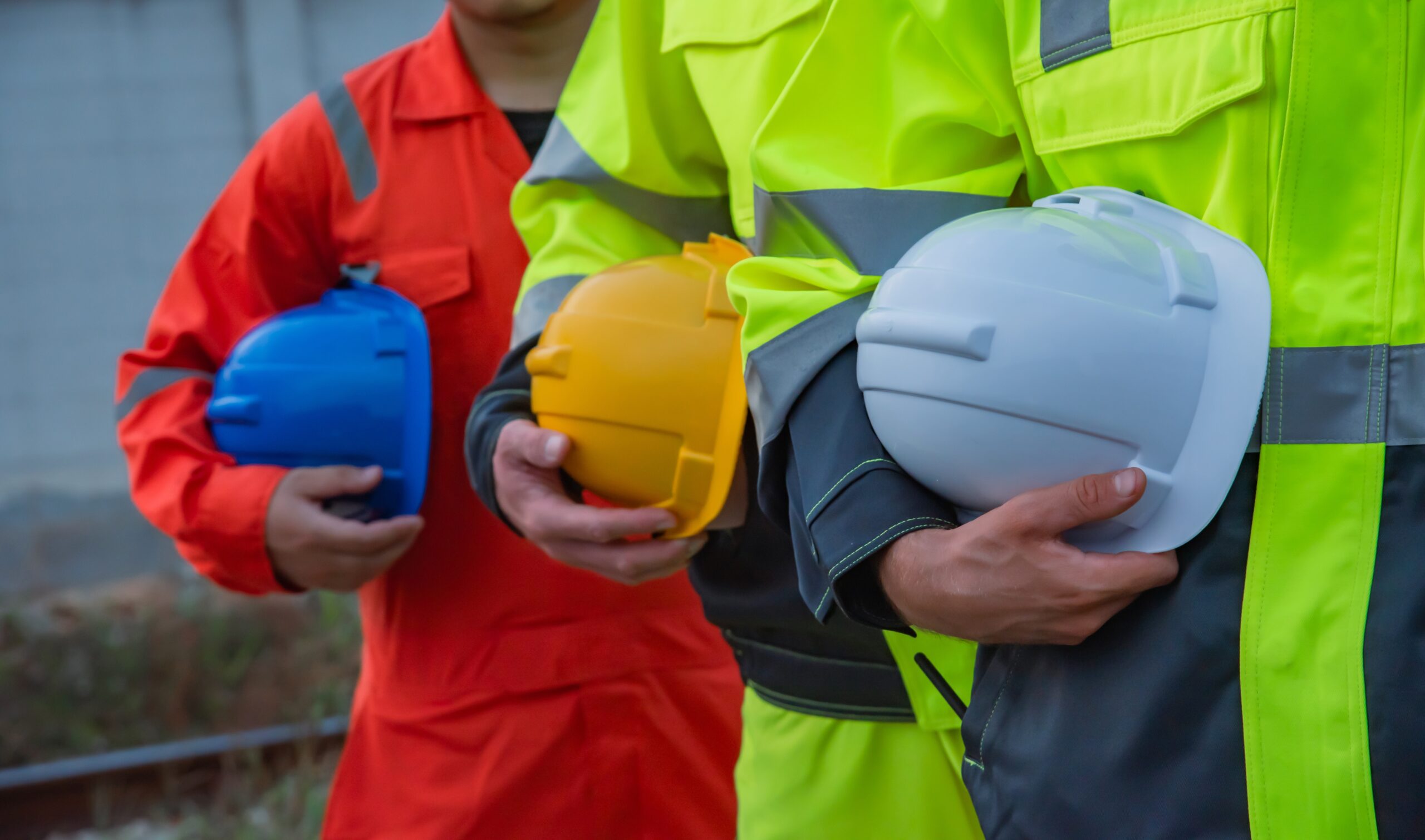
A hard hat that shifts out of place on impact protects little more than the shelf it came from. The same principle sits behind the newest revision to the standard governing every hard hat sold in the country, arriving at a relevant moment for plumbing crews spending more time than ever working beneath pipe racks, ductwork, and joists on crowded mechanical-room jobs. ISEA, the Safety Equipment Association, released ANSI/ISEA Z89.1-2026 on September 14. Every hard hat already in service that meets the current standard remains fully compliant, and the update adds a layer of protection the previous standard did not address: performance when an impact arrives from the side or the back rather than straight down.
What Actually Changed in the 2026 Standard
ISEA president and CEO Cam Mackey pointed to a grim number behind the revision: head injuries contributed to nearly 700 worker fatalities in the last year tracked across US industries, a statistic that pushed the committee to look past simple impact and penetration ratings and ask a harder question: does the helmet stay on the head when it actually gets hit?
The existing framework isn’t scrapped. Type I (top-impact) and Type II (top-and-sides) categories stay in place, as do the electrical Class C, E, and G ratings crews already know. What’s new sits on top of that structure.
Meet the New “+” Classes
The revision introduces an optional “+” designation for helmets that pass a tougher retention and multi-directional impact test. A hard hat earns the “+” only if it adds a chin strap and demonstrates it stays put under an off-center hit, not just a blow to the crown.
| Class | Impact Coverage | Retention | Fits Best On |
|---|---|---|---|
| Type I | Top of head only | Standard suspension, no strap required | General jobsite wear, standard rough-in |
| Type I+ | Top of head, tested for multi-directional hits | Chin strap plus enhanced suspension retention | Overhead pipe racks, joist work, falling-object risk |
| Type II | Top, front, back, and sides | Standard suspension, no strap required | Mixed-trade sites with lateral impact risk |
| Type II+ | Top, front, back, and sides, tested for retention under impact | Chin strap plus enhanced suspension retention | Trenching, scaffold work, confined mechanical rooms |
No Immediate Replacement Is Required
Every currently compliant hard hat on a truck or in a gang box remains valid. The “+” rating is additive rather than a recall trigger, so a foreman does not need to pull crews off the job to swap headgear. The next PPE order is a reasonable opportunity to move toward Type I+ or Type II+ hard hats for crews regularly working overhead, rather than an urgent, all-at-once purchase.
EV Replaces HV: A Label Change, Not a Downgrade
The standard also renames “High Visibility” (HV) marking to “Enhanced Visibility” (EV). Performance requirements don’t change; ISEA simply decided the old label confused buyers who assumed it referred to ANSI/ISEA 107 hi-vis apparel ratings. A hard hat marked EV meets the same visibility bar an HV-marked hat did before.
Where the Upgrade Earns Its Keep
A few jobsite situations make the “+” upgrade worth prioritizing first:
- Overhead rough-in beneath ductwork, cable tray, or pipe racks, where a dropped fitting or tool can strike from an angle rather than straight down.
- Mechanical rooms with tight clearances, where a worker is more likely to bump a helmet against equipment than take a direct overhead hit.
- Trenching and excavation work, where cave-in risk and falling debris rarely arrive from directly above.
- Multi-trade sites where electricians, sheet metal crews, and plumbers share overhead space and control over falling-object risk is limited.
A Related Code Clarification Plumbers Should Know
The same week ISEA published its update, IAPMO issued Formal Interpretation FI 006, clarifying a question that comes up constantly on service calls: domestic potable-water heaters don’t require a double-check valve under Uniform Plumbing Code Section 603.5.10, but hydronic space-heating boilers do. It’s a small distinction with real consequences. Installing an unnecessary backflow preventer on a straightforward water heater swap adds cost and a failure point for nothing, while skipping one on a hydronic boiler install leaves a code violation waiting to be found at the next inspection.
FAQs
Do plumbing crews need to replace hard hats because of Z89.1-2026?
No. Every hard hat currently compliant with ANSI/ISEA Z89.1 stays legal to wear. The “+” rating is a new, optional tier, not a mandate.
What does the “+” after Type I or Type II actually mean?
It means the helmet passed additional testing for chin-strap retention and multi-directional impact, covering hits from the side or back rather than only the crown.
Is EV the same thing as HV, just renamed?
Yes. Enhanced Visibility replaces the High Visibility label with no change to the underlying performance requirement. It’s a naming fix meant to reduce confusion with hi-vis apparel standards.
Does OSHA require Type I+ or Type II+ hard hats right now?
Not yet. OSHA references ANSI/ISEA Z89.1 as its head-protection benchmark, and the 2026 revision updates that benchmark, but it doesn’t retroactively force replacement of compliant existing gear.
What’s the practical difference between Type I and Type II protection?
Type I covers impact to the top of the head only. Type II adds protection on the front, back, and sides, which matters on sites with lateral impact risk like scaffolding or tight mechanical rooms.
Do the electrical Class C, E, and G ratings still apply the same way?
Yes, those classes are unchanged. Class E offers the highest electrical protection, Class G is limited to lower voltage, and Class C offers no electrical protection at all.
Which crews should prioritize the upgrade first?
Crews doing overhead rough-in, mechanical-room work, or trenching see the most real-world benefit, since those jobs carry more risk of an off-center or angled impact.
What does IAPMO’s Formal Interpretation FI 006 change for water heater installs?
It confirms a standard residential water heater doesn’t require a double-check valve under UPC 603.5.10, while a hydronic space-heating boiler does. It clarifies existing code rather than changing it.
Does that mean backflow prevention can be skipped on water heaters entirely?
Not necessarily. Local amendments and specific site conditions can still require backflow protection. FI 006 addresses the base UPC requirement, not every local jurisdiction’s add-ons.
Where can a contractor read the full standard before ordering new PPE?
ISEA hosted a free explainer webinar on September 30 covering the revision in detail, and the original announcement is available through PHCPPros.
A Head Start on the New Standard
The new “+” classes do not replace what is already on the truck; they give crews doing the riskiest overhead work a stronger option for the next order. Paired with a clear answer on the check-valve question, that adds up to fewer callbacks and fewer near misses this month.