
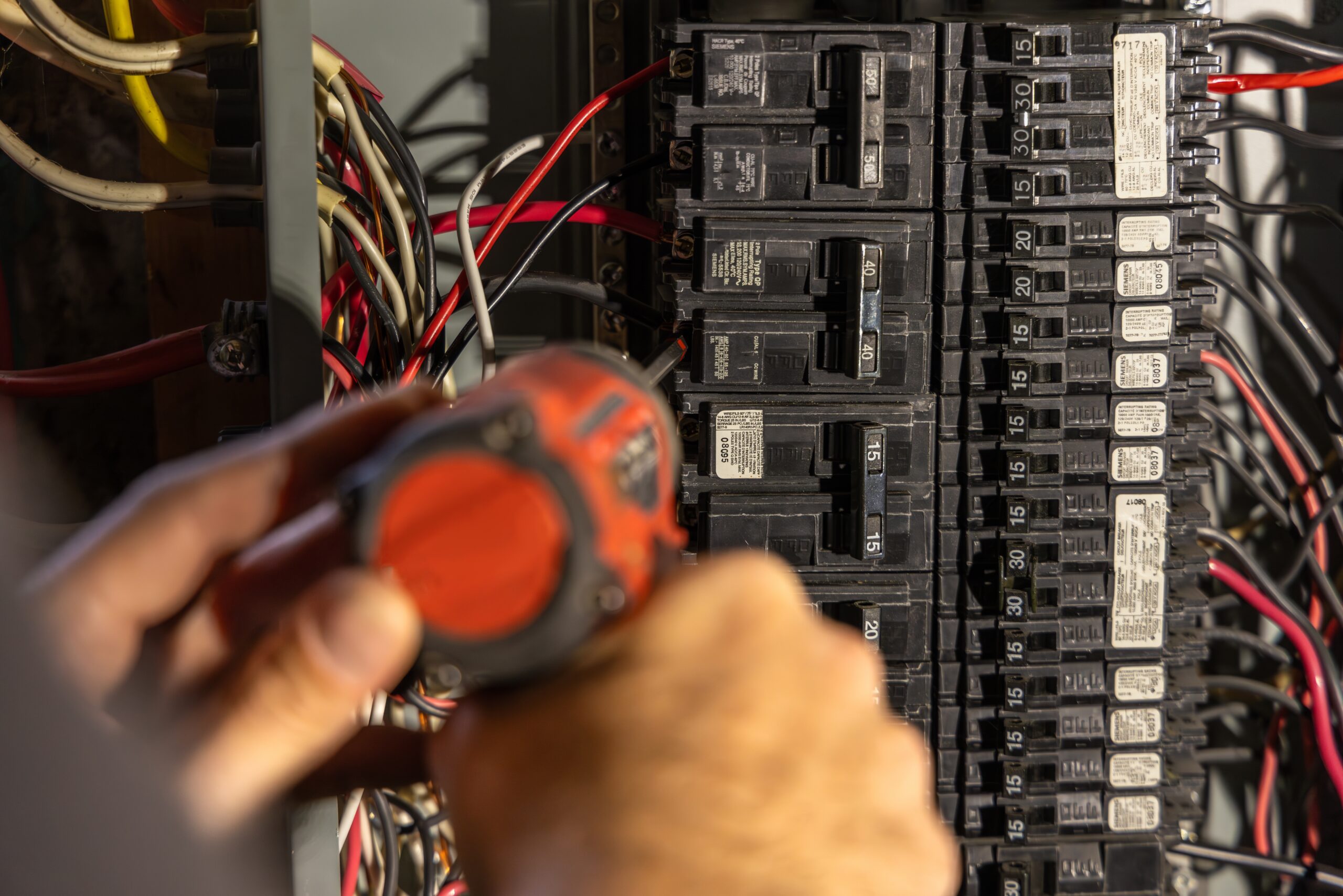
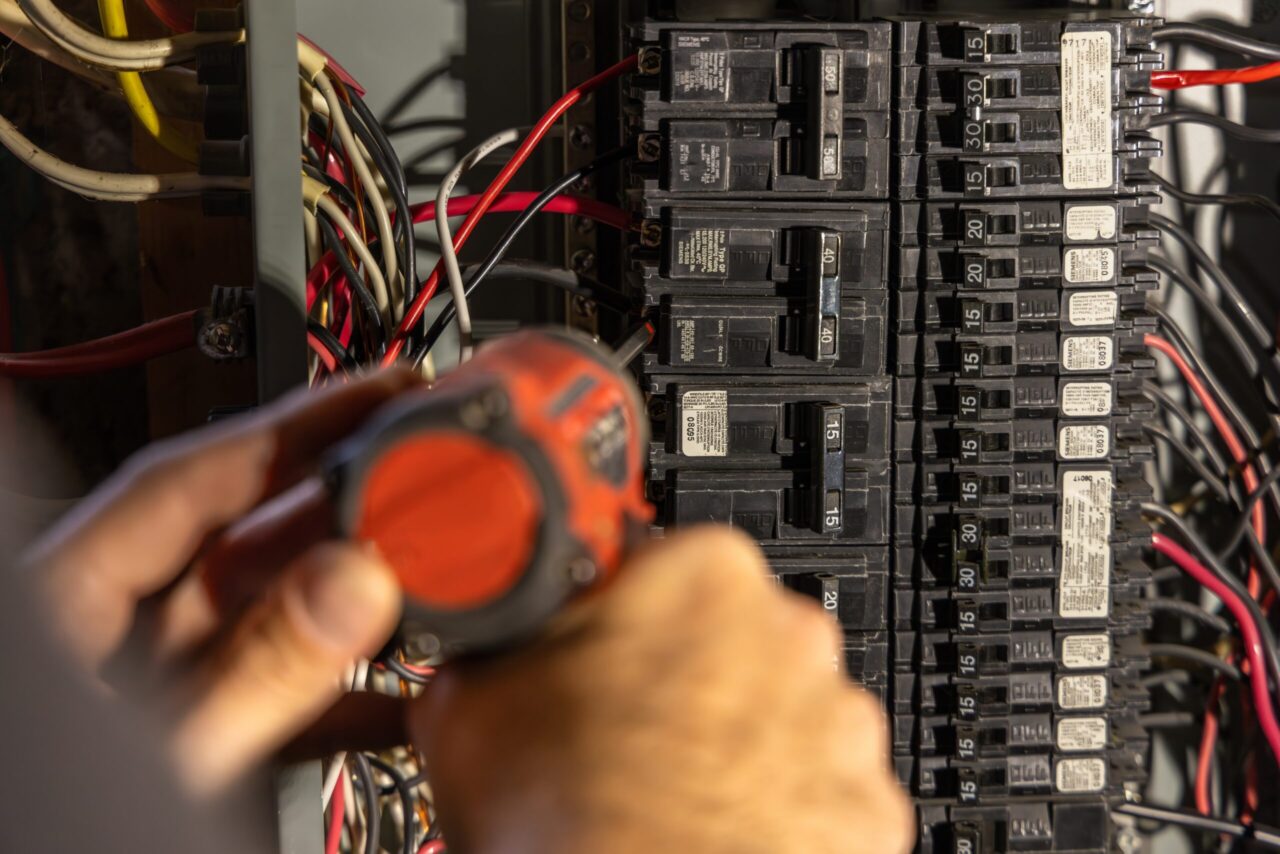
The customer wants a heat pump, an induction range, and an EV charger. The panel is a 100-amp unit from decades ago. The utility says a new service will take months. Everybody’s waiting on the same thing, and the job sits.
The bottleneck is getting a lot of attention. On Nov. 2, EC&M looked at new technologies aimed at the electrical upgrade challenge of home electrification, and the numbers it cited explain why. An ABB white paper, Building for the New Electrical Reality, estimated that upwards of 60% of U.S. homes could face panel upgrades to go all-electric. The same paper said a 400-amp service upgrade can add eight to 12 weeks of delay for utility reviews, transformer requirements, and trenching permits, a delay ABB said can derail job schedules entirely.
For residential electricians, the opportunity is in the options between “do nothing” and “upgrade the service.”
Why the Service Upgrade Isn’t Always the Answer
A bigger service is sometimes the right call. But the EC&M piece makes clear it isn’t the only path anymore, and on many jobs it’s the slowest one. The delays sit outside the electrician’s control: utility review queues, transformer capacity, and permits for trenching.
Meanwhile, demand keeps climbing. The article cited an estimate of roughly 4 million heat pump shipments a year, now surpassing gas furnaces. Every one of those installs lands on a panel somebody has to evaluate.
The Options Between “No” and “400 Amps”
The EC&M coverage walked through several technologies that change the math. Here’s how they compare in the field:
| Approach | What It Does | Best Fit |
| Smart panels | Monitor loads and shed them when demand peaks | Mostly new construction |
| Circuit-level load management | Adds monitoring and control to an existing panel | Retrofits where the panel stays |
| Battery-integrated induction ranges | Charge from a standard 120V outlet and boost power at peak | Kitchens on 200A or smaller services |
| Window-mounted 120V heat pumps | Heating and cooling on 120V | Some homes and multifamily units |
On that last row, the article cited a Wall Street Journal report on a New York City Housing Authority plan to install window heat pumps in 20,000 rental units by 2031. It’s a niche product, but a telling one: equipment makers are designing around panel limits, not just for them.
Retrofit Tools That Work With the Existing Panel
Circuit-level control is where most existing-home jobs will land. Leviton’s smart breaker line is one way to add it without swapping the whole load center:
- The Leviton LB120-DST 20A smart AFCI/GFCI breaker adds remote control to a standard branch circuit.
- The Leviton LB250-GST 50A two-pole smart GFCI breaker covers the larger 240V loads electrification adds.
- The Leviton whole home energy monitor uses current transformers to show what the house actually draws, which is the data a good load decision starts with.
Smart breakers are built for specific load centers, so check compatibility and the manufacturer’s requirements before quoting them.
Equipment choice matters too. A Wi-Fi-enabled EV charger like the Leviton EV32W 32A Level 2 station gives the homeowner control over when and how it charges. On the water heating side, the heat pump water heater category includes 120V plug-in models that skip the 240V circuit entirely.
When the numbers say the panel has to go, the main breaker load center category covers replacement panels, and a new panel on the existing service can solve a space problem without waiting on the utility.
A Walkthrough for Every Electrification Job
- Run a load calculation for the home as it stands, using the method in the locally adopted NEC.
- Add the planned loads, such as heat pump, range, EV charger, and water heater, and see where the total lands.
- Measure, don’t guess. Actual usage data from an energy monitor shows how much headroom the house really has.
- Rank the options: lower-demand equipment, load management on the existing panel, a panel replacement on the existing service, and a full service upgrade last.
- Check utility and AHJ requirements early, especially if a service upgrade stays on the table.
- Document the decision so the customer understands what was installed and why.
The Business Side
The EC&M article also pointed to the money in this work. An EnergySage contractor survey it cited found a 25% typical margin on main panel upgrades and a 24% typical margin on EV charger installations. Load management adds another service to that list, and it can keep a job on schedule when a service upgrade would stall it for weeks.
For remodels that touch existing circuits along the way, SupplyHouse’s remodel code triggers guide covers the AFCI and receptacle rules that come with the work.
Frequently Asked Questions
How many homes need a panel upgrade to go all-electric?
An ABB white paper cited by EC&M estimated upwards of 60% of U.S. homes could face panel upgrades to fully electrify.
How long does a 400-amp service upgrade take?
According to the ABB figures in EC&M’s coverage, a 400-amp upgrade can add eight to 12 weeks of delay for utility reviews, transformer requirements, and trenching permits.
What is residential load management?
Technology that monitors household electrical loads and controls or sheds them when demand peaks, so new equipment can be added without exceeding the existing service.
Do smart panels work in existing homes?
EC&M’s coverage describes smart panels as mainly a new-construction product. For existing homes, circuit-level load management adds monitoring and control to the panel that’s already there.
Can an induction range work on a 200-amp service?
Battery-integrated induction ranges are designed to charge from a standard 120V outlet and supply extra power during peak cooking, and can operate on a 200-amp or smaller service, per EC&M.
Are 120V heat pump water heaters an option?
Yes. Plug-in 120V heat pump water heaters avoid adding a 240V circuit, which can help when panel capacity is tight. Check the manufacturer’s circuit requirements.
Is a load calculation still required?
Yes. Any electrification job should start with a load calculation using the method in the locally adopted NEC, then add the planned loads.
Is electrification work profitable for electrical contractors?
An EnergySage contractor survey cited by EC&M reported a 25% typical margin on main panel upgrades and 24% on EV charger installations.
Load Off Their Shoulders
The all-electric home doesn’t always need a 400-amp service. It needs an electrician who runs the numbers, measures real usage, and knows the options in between: load management on the existing panel, lower-demand equipment, and a panel swap before a service upgrade. Get that sequence right, and the heat pump goes in this month instead of next season.