
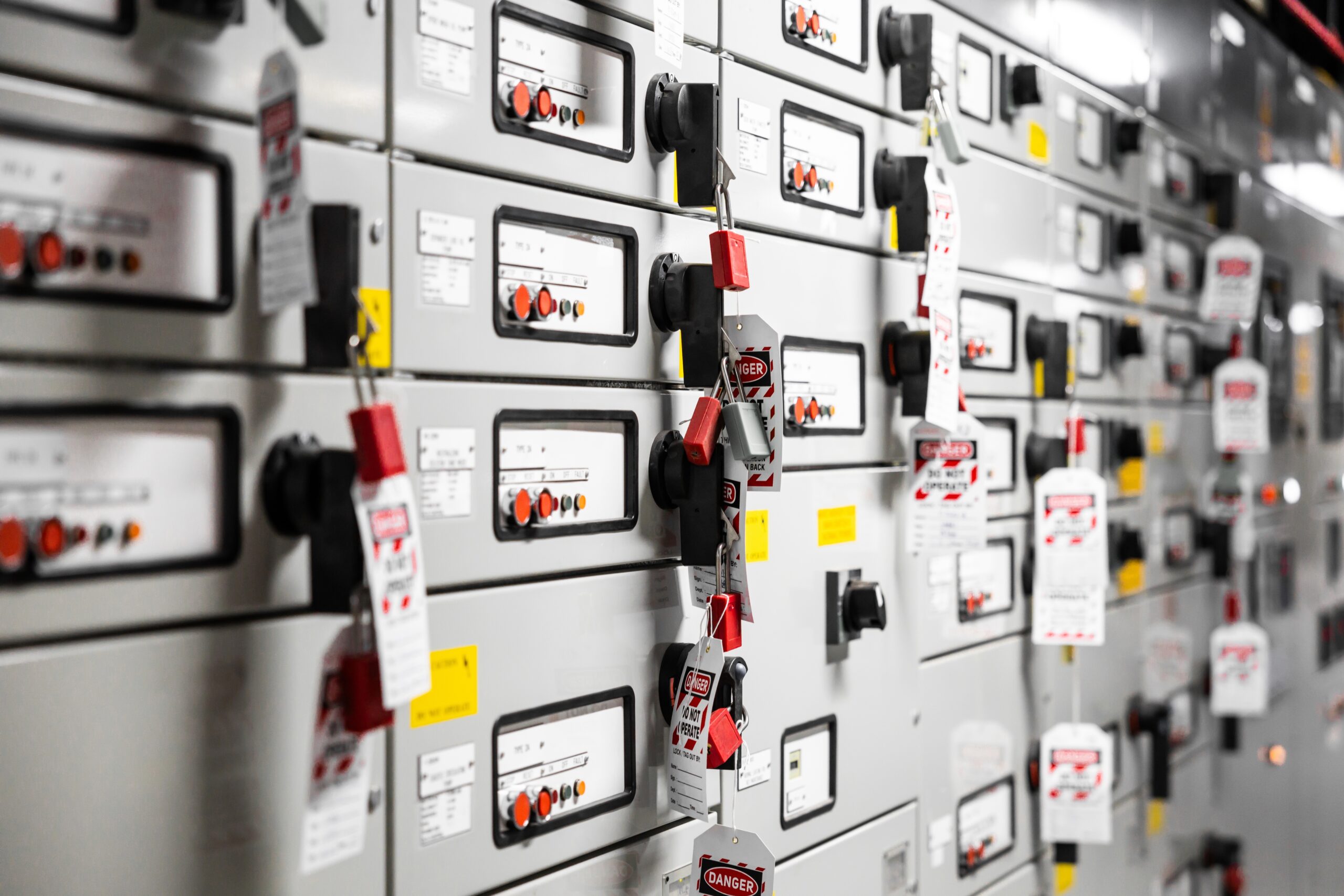
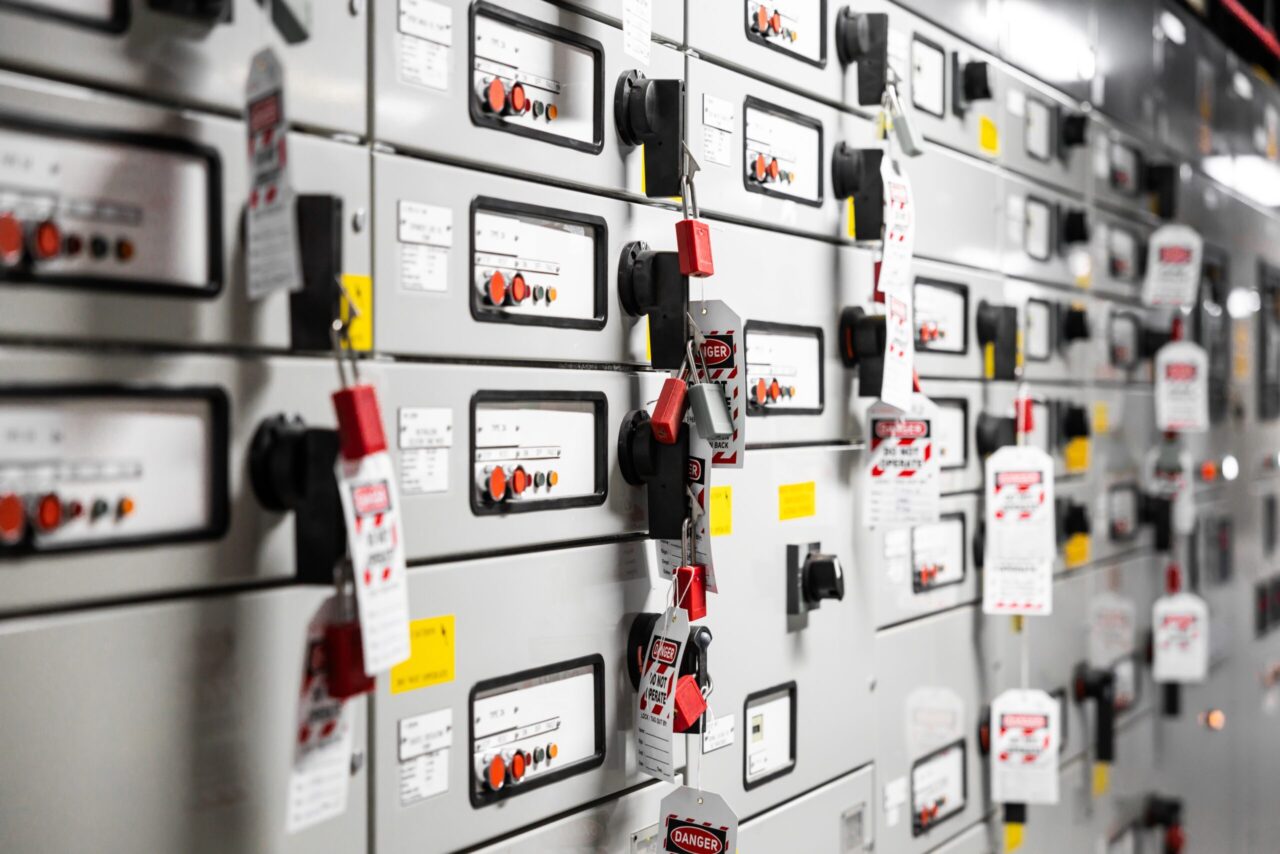
Every electrician knows how to hang a lock. Fewer shops can show the paperwork that proves the lockout program actually works. The gap between the two is where citations come from.
On Oct. 16, EC&M’s ongoing series on preventing OSHA citations for hazardous energy control zeroed in on one requirement that’s easy to forget because nothing goes wrong on the day it’s missed: the periodic inspection under 29 CFR 1910.147(c)(6). The same day, EC&M ran a companion piece on NFPA 70E risk assessment. Together, they make a good checklist for any shop heading into year-end safety reviews.
What the Periodic Inspection Requires
The rule is short, and every line of it matters. Per the Oct. 16 article, 1910.147(c)(6) requires the employer to:
- Inspect each energy control procedure to confirm it’s being followed and meets OSHA’s requirements.
- Do it at intervals of no longer than one year.
- Have it performed by an authorized employee who isn’t using the procedure being inspected.
- Identify and correct any deviations or inadequacies found.
- Where lockout is used, review each authorized and affected employee’s responsibilities with them.
- Where tagout is used, include that same review plus the tagout training elements in 1910.147(c)(7)(ii).
Once a year is the ceiling, not the target. The article’s author pointed out that OSHA doesn’t set a shorter interval, but more frequent inspections show good judgment and a proactive safety program.
Who Should Do the Inspection
The “doesn’t use the procedure” rule trips up small shops. The foreman who wrote the procedure and uses it every week can’t sign off on it. Rotating inspectors between crews or job types solves that, and it gives a second set of eyes a real chance to catch shortcuts the regular crew stopped noticing.
Construction vs. General Industry: Know Which Rule Applies
Electrical contractors work under more than one OSHA standard, and the lockout rules differ. Electrical Contractor’s breakdown of LOTO requirements laid out the split:
| Standard | Applies To | What It Asks For |
| 29 CFR 1926.417 | Construction work | Circuits “rendered inoperative,” with tags at every point where they can be energized |
| 29 CFR 1910.333(b)(2) | General industry electrical work | Written, step-by-step lockout/tagout procedures |
| 29 CFR 1910.147 | Control of hazardous energy | Energy control program, training, and periodic inspection |
| NFPA 70E Article 120 | Consensus safety standard | Written LOTO program and the process for establishing an electrically safe work condition |
The same article noted that under 70E, conductors and circuit parts aren’t in an electrically safe work condition until every Article 120 requirement is met, and that procedures can be applied as simple or complex lockout depending on the job.
Start With the Risk Assessment
The companion piece, EC&M’s look at NFPA 70E general requirements, covered the risk assessment procedure in 70E 110.3(H). Before work starts, the procedure has to identify hazards, assess risks, and apply risk controls in this order of effectiveness:
- Elimination
- Substitution
- Engineering controls
- Awareness
- Administrative controls
- PPE
De-energizing and locking out puts the work at the top of that list, removing the hazard instead of guarding against it. The same section also requires the assessment to consider human error. Errors can’t be eliminated, but the factors that cause them can be reduced, and a well-inspected lockout program is one of the best ways to do it.
Establishing an Electrically Safe Work Condition
The inspection checks whether crews follow the procedure. Here’s what the procedure itself should look like in the field. EC&M’s guide to establishing an electrically safe work condition breaks it into six steps:
- Identify every source. Use current drawings, and check revision numbers, dates, and equipment ID tags.
- Stop the load, then open the disconnect. Never open a disconnect under load.
- Visually confirm isolation. Check that all blades are fully open or that drawout breakers are fully withdrawn.
- Apply locks and tags according to the written program.
- Verify the circuit is dead with appropriate test equipment, testing each phase conductor phase-to-phase and phase-to-ground to catch backfeed.
- Ground if needed. Where induced voltage or stored energy is possible, ground the phase conductors before touching them.
Step one deserves extra attention on equipment with interlocks. A 2023 EC&M article on lockout and circuit interlocks pointed to 70E 120.2(D), which requires reviewing up-to-date drawings and diagrams to confirm no interlock operation can re-energize the circuit. Interlocks that bring in a backup or secondary source are the ones to find.
Test the Tester
The same 2023 article covered the step crews skip most: checking the meter against a known voltage source before and after testing the circuit. A meter that fails between the first check and the second can read “dead” on a live conductor.
A proving unit makes the before-and-after check possible in a dark mechanical room with no known-live outlet nearby. The Fluke PRV240FS is built for exactly that. For the test itself, a two-pole tester like the Fluke T+Pro handles phase-to-phase and phase-to-ground checks up to 600 V. The voltage tester and multimeter categories cover other options. Non-contact testers are handy for a quick screen, but verification calls for contact readings on each conductor.
Stock the Truck for the Procedure
A lockout program is only as good as the devices crews actually carry. A practical kit for service and commercial work:
- A complete kit for each crew. The Ideal 44-970 basic lockout/tagout kit is a solid starting point.
- Breaker lockouts for panel work. The Ideal 44-957 fits standard toggles, and the Ideal 44-783 universal multi-pole lockout clamps tie-bar breakers from GE, ITE, Square D (2- and 3-pole), and others.
- Plenty of tags. Construction rules call for tags at every point where a circuit can be energized, so carry more than seems necessary.
The full lockout and tagout category covers padlocks, hasps, plug lockouts, and tags.
A Simple Annual Inspection Checklist
- List every written energy control procedure the company uses.
- Assign an inspector for each one who doesn’t use that procedure.
- Observe the procedure on a real job, not a walkthrough.
- Review responsibilities with each authorized and affected employee involved.
- Record deviations and fix them before closing the inspection.
- Document the date, procedure, employees involved, and inspector.
- Set the next inspection date, sooner than 12 months if anything needed correcting.
Frequently Asked Questions
How often does OSHA require a lockout/tagout inspection?
At least once a year. 29 CFR 1910.147(c)(6) requires periodic inspections of each energy control procedure at intervals no longer than annual.
Who can perform the periodic inspection?
An authorized employee other than the ones using the procedure being inspected.
What has to be reviewed during the inspection?
Whether the procedure is being followed, any deviations or inadequacies, and each authorized and affected employee’s responsibilities. Tagout programs also review the tagout training elements.
Does OSHA’s construction standard require locks?
According to Electrical Contractor’s breakdown, 1926.417 requires circuits to be rendered inoperative with tags at every point where they can be energized. Many contractors use locks anyway, and NFPA 70E sets its own LOTO requirements.
What is an electrically safe work condition?
Under NFPA 70E, conductors and circuit parts reach an electrically safe work condition only after every Article 120 requirement is met, including verification of absence of voltage.
Why test the meter before and after?
To confirm it worked through the whole test. A meter that fails partway can show zero on a live circuit. Check it against a known source or proving unit both times.
Can a non-contact voltage tester verify absence of voltage?
It’s useful for screening, but verification calls for testing each phase conductor phase-to-phase and phase-to-ground with appropriate contact test equipment.
What does NFPA 70E 110.3(H) require?
A risk assessment procedure that identifies hazards, assesses risks, and applies controls following the hierarchy from elimination down to PPE, including consideration of human error.
Do interlocks affect lockout?
Yes. NFPA 70E 120.2(D) calls for reviewing current drawings to confirm no interlock can re-energize the circuit, especially interlocks tied to backup sources.
Locked In for Next Year
Hanging a lock is the easy part. Proving the program works, once a year at minimum, is what keeps it working and keeps OSHA satisfied. Assign an independent inspector, watch the procedure on a live job, review responsibilities, and fix what turns up. Then make sure every truck carries the locks, tags, and tested testers to follow the procedure for real. A program that gets inspected is a program that gets used.