
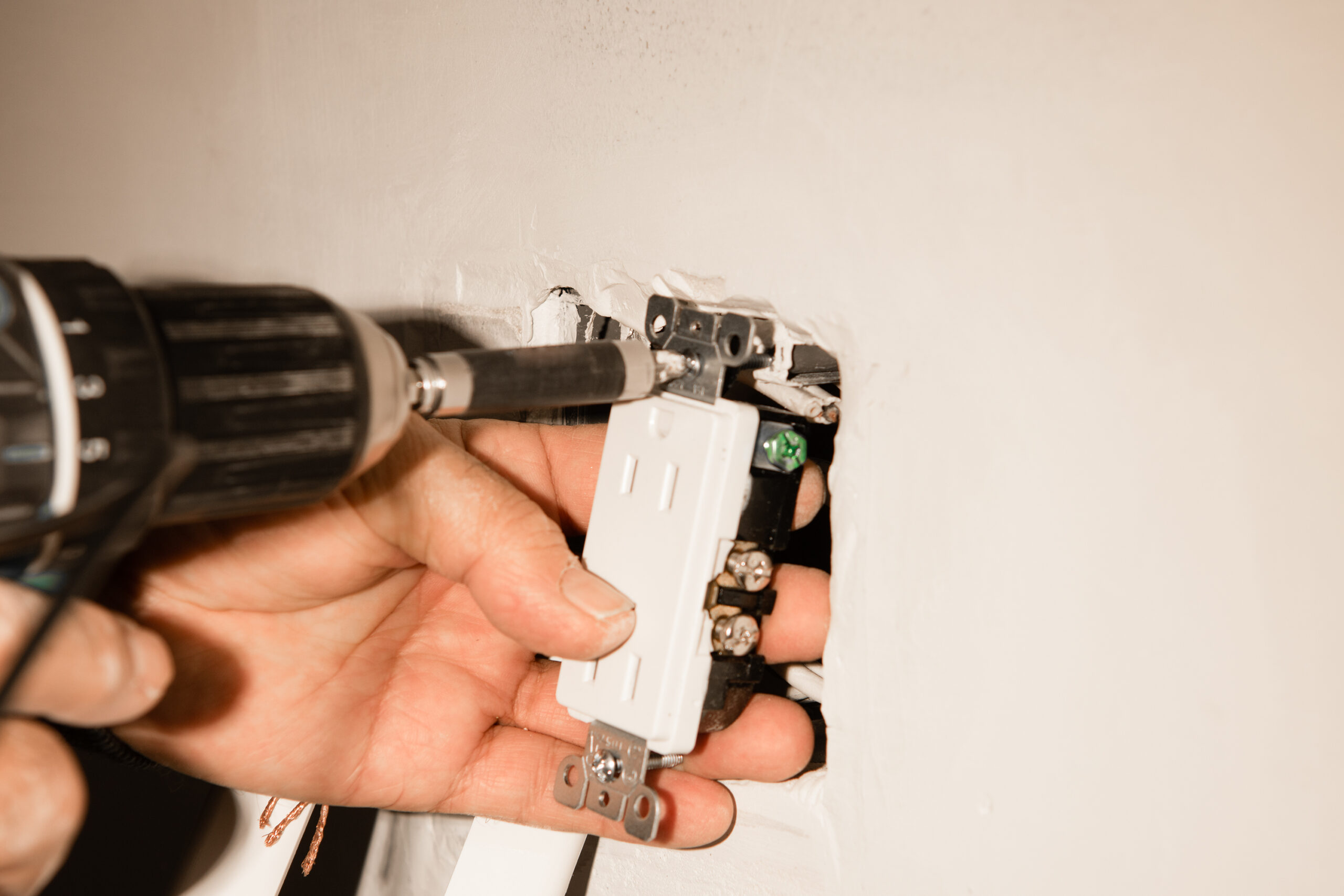
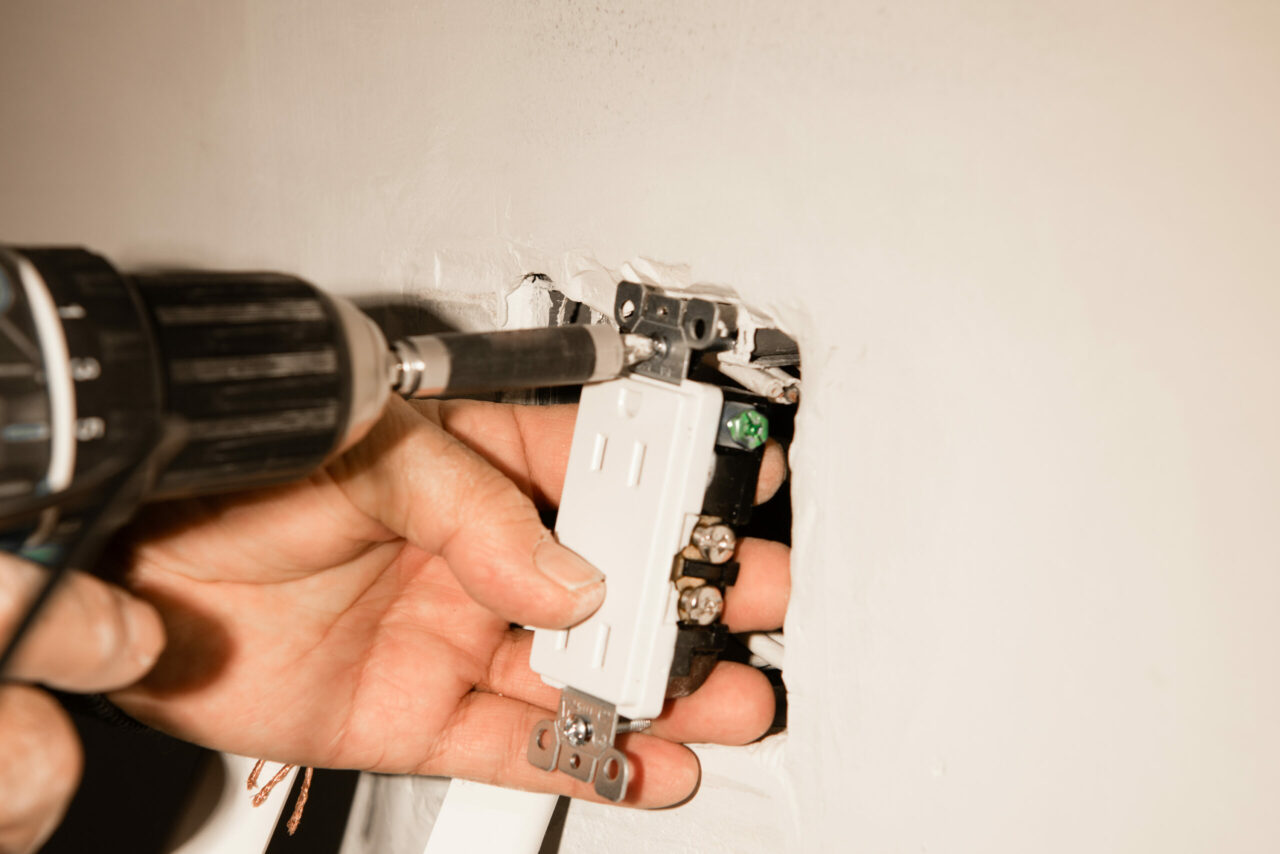
The subdivision jobs are slowing down. The phone isn’t. It’s just a different customer on the other end: the homeowner who decided not to move, and instead wants the basement finished, the kitchen gutted, and a few more outlets in the living room while the walls are open.
Two Electrical Contractor reports from the past week put numbers on the shift. For residential electricians, the numbers matter less than what comes with them. Remodel work happens on existing circuits, and existing circuits come with code triggers that new construction never runs into. Miss one, and the inspector’s visit turns into a second trip nobody’s getting paid for.
The Market Is Moving Into Existing Homes
Electrical Contractor reported on Oct. 12 that more homeowners are staying in their homes and putting money into remodeling. Citing NAHB’s 2025 member census, the report found median remodeling revenue among members up 24% year over year, with the median number of larger completed jobs rising from six to eight. It also cited Harvard’s Joint Center for Housing Studies: residential remodeling contractor establishments grew by about a quarter from 2017 to 2022, to more than 128,000 businesses.
New construction is heading the other way. A separate Oct. 9 report on NAHB data found single-family construction fell in six of seven county classifications in Q2 2026. Large metro core counties took the biggest hit, down 13.9%.
Put the two together and the takeaway is simple. More of the year’s residential work will happen inside walls somebody else built, on circuits somebody else ran, under rules that only kick in when something old gets touched.
Trigger One: Touching an Existing Branch Circuit
Ask any remodel electrician which rule catches crews most, and AFCI on existing circuits will come up fast. As EC&M’s apprentice guide to AFCIs explains, when an existing branch circuit in a dwelling unit is modified, replaced, or extended, AFCI protection is required. The exception covers extensions under 6 ft. that add no outlets or devices.
Here’s the wrinkle: the section letter moves. The 2020 NEC puts the rule at 210.12(D). Mike Holt’s EC&M breakdown of GFCI and AFCI rules places it at 210.12(E) in the later edition, and spells out the two compliant paths: an AFCI circuit breaker, or an outlet branch-circuit AFCI receptacle at the first receptacle outlet of the existing circuit. Check the locally adopted edition before quoting a section number to an inspector. Nobody wins that argument holding the wrong book.
| Remodel Scenario | AFCI Path to Consider | Watch For |
| Panel accepts current AFCI breakers | Combination AFCI breaker | Breaker must be listed for the panel |
| Older or unsupported panel | Outlet branch-circuit AFCI receptacle at the first outlet | Has to be the first receptacle outlet on the existing circuit |
| Short extension, no new outlets or devices | Exception may apply | Under 6 ft., splicing devices only |
| Kitchen, bath, or laundry circuit | Dual-function AFCI/GFCI device | Check both AFCI and GFCI requirements |
For the breaker route, the Square D Homeline 20A plug-on neutral combination AFCI is a common pick, with one catch the listing calls out: it fits Homeline Series 4 and newer load centers only. Pull the dead front and confirm before ordering. When the panel won’t cooperate, the receptacle route works at the first outlet. The Leviton SmartlockPro tamper-resistant AFCI/GFCI receptacle covers both protections in one device. More options live in the GFCI receptacles and breakers category.
Trigger Two: Replacing a Receptacle
Swapping a receptacle sounds like a five-minute job. Then the inspector looks at it. A Code Q&A from EC&M walked through the replacement rules in 406.4(D):
- In GFCI-required locations, the replacement has to be GFCI protected.
- On AFCI-required circuits, it needs to be an AFCI receptacle, a receptacle fed from one, or a receptacle on a combination AFCI breaker.
- Where 406.12 requires tamper-resistant receptacles, including dwelling units, the replacement has to be TR.
- Where 406.9 requires weather-resistant receptacles, the replacement has to be WR.
- AFCI and GFCI receptacles have to be readily accessible.
- No equipment grounding conductor in the box? The options are a nongrounding receptacle, a GFCI receptacle marked “No Equipment Ground,” or a GFCI-protected grounding-type receptacle marked “GFCI Protected” and “No Equipment Ground.”
The Q&A dates to 2015, so check the exact wording in the current edition. The logic hasn’t changed: a replacement has to meet today’s protection rules for that location, not the rules from the year the house was built.
Trigger Three: When the Remodel Grows Into a Service Job
Plenty of kitchen remodels end with a service upgrade. Where the 2026 NEC is adopted, that brings the newest edition into play. EC&M’s coverage of a 2026 NEC session at the NECA show highlighted two changes remodel crews should know:
- 230.70(A)(1): Service disconnects have to be readily accessible and outdoors, on the dwelling or within sight of it. The indoor “nearest point of entrance” location is gone. For one- and two-family dwellings, the service disconnect also serves as the emergency disconnect.
- 215.18(A) and 230.67(A): Surge protection requirements expanded, with feeder surge protection now covering areas similar to bedrooms.
The surge protector category covers panel-mount and breaker-style SPDs for service and feeder work.
Old-Work Gear That Earns Its Spot
Remodel wiring comes down to two things: getting into finished walls cleanly, and knowing what’s already in them.
- Old-work boxes. The Carlon B114R 14 cu. in. 1-gang old-work box clamps into finished drywall with swing clamps. The full outlet and switch box category covers multi-gang and round options. Box fill still applies, so size up when adding devices or conductors.
- Circuit identification. In older homes, the panel directory is more of a suggestion. A Klein ET310 circuit breaker finder kit maps circuits before demo starts, which also shows exactly which existing circuits the job will touch.
The Remodel Walkthrough
- Confirm the locally adopted NEC edition and any local amendments.
- Map every circuit in the work area and fix the panel directory.
- Mark which existing circuits the scope will extend, modify, or replace.
- Check panel make, series, and breaker compatibility for AFCI and dual-function breakers.
- Choose the AFCI path for each touched circuit: breaker or first-outlet receptacle.
- List every receptacle being replaced and its GFCI, AFCI, TR, and WR requirements.
- Check boxes for an equipment grounding conductor before choosing replacement devices.
- If service work is in scope, confirm disconnect location and surge requirements under the adopted edition.
- Build the code-required upgrades into the bid, so the customer hears about them before the inspector does.
Frequently Asked Questions
Does adding one receptacle to an existing circuit trigger AFCI protection?
In most adopted editions, yes. Extending an existing dwelling branch circuit triggers AFCI protection. The exception covers extensions under 6 ft. that add no outlets or devices.
Can an AFCI receptacle be used instead of an AFCI breaker?
Yes, when it’s an outlet branch-circuit AFCI installed at the first receptacle outlet of the existing branch circuit. Confirm the exact requirement in the locally adopted edition.
Which code section covers AFCI for remodels?
It’s in 210.12. The 2020 NEC places the extension and modification rule at 210.12(D), and the later edition places it at 210.12(E). Check the locally adopted code.
Do replacement receptacles have to be tamper-resistant?
Yes, where 406.12 requires tamper-resistant receptacles, which includes dwelling units. Weather-resistant rules apply where 406.9 requires them.
What can replace a two-prong receptacle with no ground?
A nongrounding receptacle, a GFCI receptacle marked “No Equipment Ground,” or a GFCI-protected grounding-type receptacle marked “GFCI Protected” and “No Equipment Ground.”
Does the 2026 NEC change where a service disconnect can go?
Under 230.70(A)(1) in the 2026 edition, service disconnects have to be readily accessible and outdoors, on the dwelling or within sight of it. Adoption varies by jurisdiction.
What if the panel doesn’t accept AFCI breakers?
Use an outlet branch-circuit AFCI receptacle at the first outlet of the circuit, or talk through a panel replacement with the customer if other upgrades are already planned.
Why is remodeling growing while new construction slows?
Reports citing NAHB data point to homeowners staying in their homes and investing in renovation, while rising costs, interest rates, and economic uncertainty weigh on single-family starts.
Should code-required upgrades be listed separately in a remodel bid?
Listing them separately helps the customer see why they’re required and heads off disputes when the inspector checks them.
Old Work, New Current
The residential market is shifting from new walls to existing ones, and the code follows the work. Extensions trigger AFCI, replacements have to meet today’s protection rules, and where the 2026 NEC is adopted, service work changes too. Map circuits before demo, pick the AFCI path for every touched circuit, and put the required upgrades in the bid up front. Crews who know the triggers pass the first inspection, and that’s the kind of job that earns the next referral.