
For years, the honest answer to “Will a heat pump keep up in the north?” started with “Well, it depends.” The equipment side of that answer keeps getting shorter. The install side hasn’t changed at all.
On Oct. 1, ACHR News reported that Trane Technologies’ first residential cold-climate heat pumps hold 100% of their heating capacity at 5°F and keep running down to -20°F. The 3-, 4-, and 5-ton units went through nearly 18,000 hours of field testing in Minnesota, Montana, New York, Pennsylvania, Wisconsin, and Texas, with outdoor temperatures as low as -21°F. They’re also built for dual-fuel setups with a furnace.
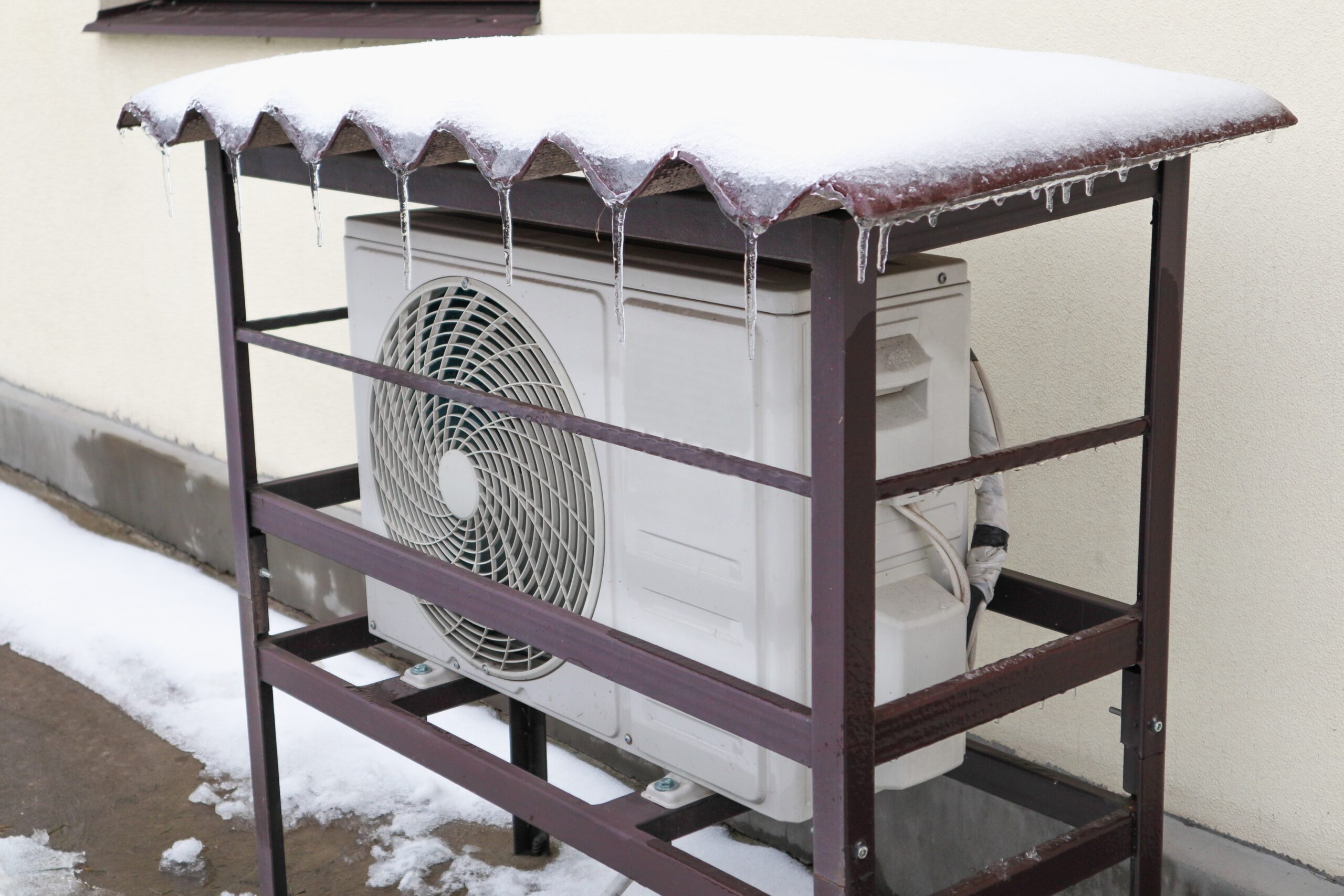
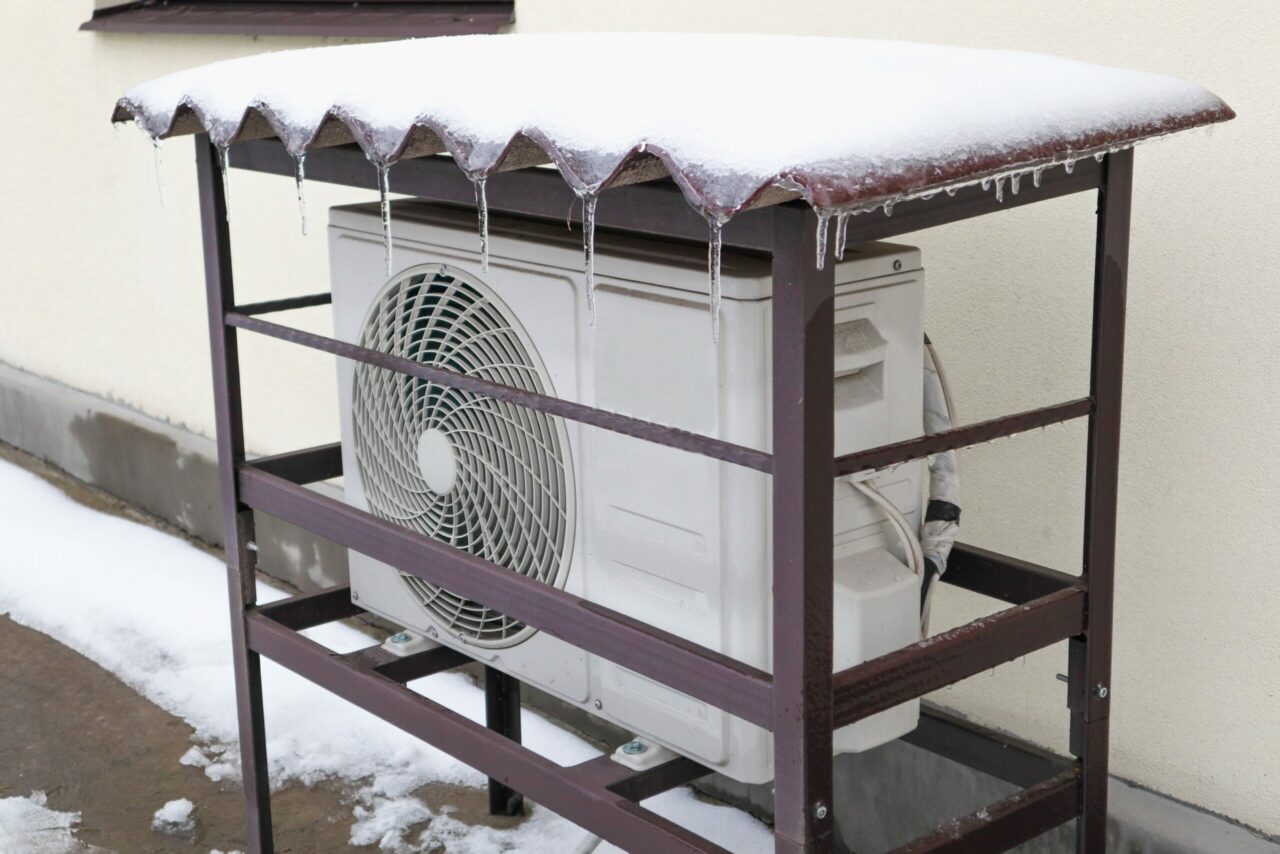
A week later, ACHR covered a product built for the other half of the problem: a shield that keeps rain, snow, and ice runoff off the outdoor unit. Put the two stories together and the trend is clear. The equipment can handle the cold now. Whether it handles a January ice storm depends on where and how it’s set.
What “Cold Climate” Means on Paper
The bar these units are clearing comes from the DOE’s Residential Cold Climate Heat Pump Technology Challenge. An ACHR News technical overview laid out the basics: centrally ducted, all-electric units from 24,000 to 65,000 BTU/h, refrigerant GWP of 750 or less, and a target HSPF2 above 8.5. Units get tested at four outdoor conditions:
| Test Point | Outdoor Temperature | What It Shows |
| Min/Mild | 47°F | Everyday shoulder-season efficiency |
| H2 | 35°F | Frost and defrost territory |
| H4 Max/Cold | 5°F | Capacity and efficiency at cold design conditions |
| Max/Extreme | -15°F | Optional for some units; shows how far down it really goes |
The same overview notes that cold-climate designs cut down on defrost cycles, largely through heaters in the outdoor unit. Fewer defrost cycles means fewer interruptions to indoor heat, which is exactly what the customer feels at 6 a.m.
Size It for the Design Day, Not the Nameplate
Most cold-weather complaints start at the load calc. In ACHR’s look at ductless heat pumps in cold climates, Fujitsu’s Chris Mottinger recommended sizing for true capacity at the low-ambient design temperature, not nominal capacity, and warned against oversizing for cooling. Mitsubishi Electric’s Matt Bynum added that supplemental heat may still make sense in extremely cold regions or homes with marginal insulation.
A practical way to run it:
- Run a full heating load calc for the home at the local winter design temperature.
- Pull the manufacturer’s extended performance data and find actual capacity at that temperature.
- Compare the two. If capacity falls short, decide between a larger cold-climate model, staged backup heat, or a dual-fuel setup.
- Check the cooling side so the system isn’t badly oversized for summer.
- Confirm the electrical service matches the equipment’s requirements before the truck rolls.
The Heat Pumps category breaks out condensers, complete systems, and air-to-water options for comparing performance data side by side.
Get It Off the Ground
Snow is only half the reason to lift an outdoor unit. The other half is water. Every defrost cycle sends meltwater off the coil, and it has to go somewhere. If it can’t drain, it refreezes under the unit.
The trade has argued about how high is high enough for years, and it’s worth knowing both sides:
- Daikin’s Connie Schroder, quoted in the 2025 ACHR piece, recommends raising the outdoor unit 2 to 4 inches above the expected snowline and rechecking the clearance underneath during maintenance.
- A 2011 ACHR News column took a different view: since defrost melts snow close to the coil, the author argued an 8-inch lift is enough in most cases, as long as meltwater can drain below the unit.
Where they agree is the part that matters most: the drainage path has to stay open. When in doubt, follow the manufacturer’s installation instructions for the specific unit.
Elevation options for different jobs:
- Pads with drainage built in. The DiversiTech HP3232-8 heat pump pad gives 8 inches of lift, with a base that slopes outward to shed defrost water. The full equipment pad category covers other sizes and heights.
- Risers on an existing pad. The Bluefin 12″ heat pump riser lifts the unit well clear in heavier snow regions. Account for the added height when planning line set and electrical runs.
- Stands for deep-snow areas. The DiversiTech QSTD3000 quick heat pump stand puts the unit 18 inches up and is rated for 500 lbs.
- Ductless outdoor units. The mini split stand lineup covers ground and roof options, and wall brackets like the DiversiTech Hef-T-Bracket 230-B2L get the unit off the ground entirely. Keep wall-mounted units away from roof drip lines.
One shortcut to skip: stacking bricks or scrap wood under a pad. The 2011 column called it out specifically, because it doesn’t give water anywhere to go.
Watch the Ice, Not Just the Snow
Ice does the real damage. The 2011 column made two points every tech should keep in mind. Water expands about 9% when it freezes, and ice that builds up above the bottom coil tube can form what the author called an “ice cave” that crushes tubing. Distorted fins on the bottom rows are often the first sign. Heat pumps can also make ice on rainy days in the 40s, and low refrigerant or restricted outdoor airflow makes it worse.
Placement checks that prevent most of it:
- Keep the unit out from under roof drip lines, valleys, and gutters that overflow.
- Keep it away from spots where snow drifts or gets piled by shovels and plows.
- Leave the base pan drain holes clear, and clean out leaves and debris during fall maintenance.
- Think about where defrost water lands. Schroder pointed out that refrozen meltwater on a walkway becomes a slip hazard.
- Where roof runoff can’t be avoided, a top shield like the one covered in ACHR’s Oct. 7 story can keep falling water and ice off the unit.
Some cold-climate units also use base pan heaters. The 2025 ACHR piece noted that Fujitsu’s XLTH models include a factory-installed heater that kicks on below 36°F, and Mitsubishi recommends planning for heater hookups where they’re needed.
Finally, protect what runs to the unit. A line set cover shields the line set and its insulation outdoors, and it cleans up the look of the job.
Frequently Asked Questions
What makes a heat pump “cold climate”?
Cold-climate models are built to keep delivering heat at low outdoor temperatures, often with outdoor-unit heaters that cut down on defrost cycles. The DOE challenge tests units at 47°F, 35°F, 5°F, and optionally -15°F.
Can a cold-climate heat pump replace a furnace completely?
In many homes, yes, when it’s sized for capacity at the local design temperature. Very cold regions or poorly insulated homes may still call for backup heat or a dual-fuel setup.
How high should a heat pump sit off the ground?
Follow the manufacturer’s instructions first. Guidance in trade coverage ranges from 2 to 4 inches above the expected snowline to an 8-inch lift with clear drainage. Either way, defrost water has to drain freely.
Why does a heat pump need to drain in winter?
Every defrost cycle melts frost off the outdoor coil. If the water can’t drain away, it refreezes under and around the unit, which can block airflow and damage the coil.
Can ice really damage a heat pump coil?
Yes. Water expands about 9% when it freezes. Ice that builds above the bottom coil tube can crush tubing, and distorted bottom fins are a common warning sign.
Should a heat pump sit under a roof edge?
Avoid it when possible. Roof runoff and falling ice can bury or damage the unit. If there’s no better spot, a top shield can help.
What’s wrong with setting a pad on bricks?
Bricks or wood under a pad can trap water instead of draining it, and the unit ends up sitting in its own ice. Use a pad, riser, or stand designed for drainage.
Do mini split outdoor units need to be elevated too?
Yes. Ductless outdoor units face the same snow and defrost-water issues. Stands and wall brackets keep them clear of snow and let meltwater drain.
How should a cold-climate heat pump be sized?
Size for actual capacity at the low-ambient design temperature using the manufacturer’s extended performance data, not the nominal rating, and avoid oversizing for cooling.
Weathering the Season
Cold-climate heat pumps have closed most of the performance gap. Units holding full capacity at 5°F aren’t a lab story anymore. What’s left is on the installer: size for the design day, get the unit off the ground, keep defrost water draining, and keep it out from under the roof edge. Set it right in October, and the January call is a compliment instead of a no-heat.