
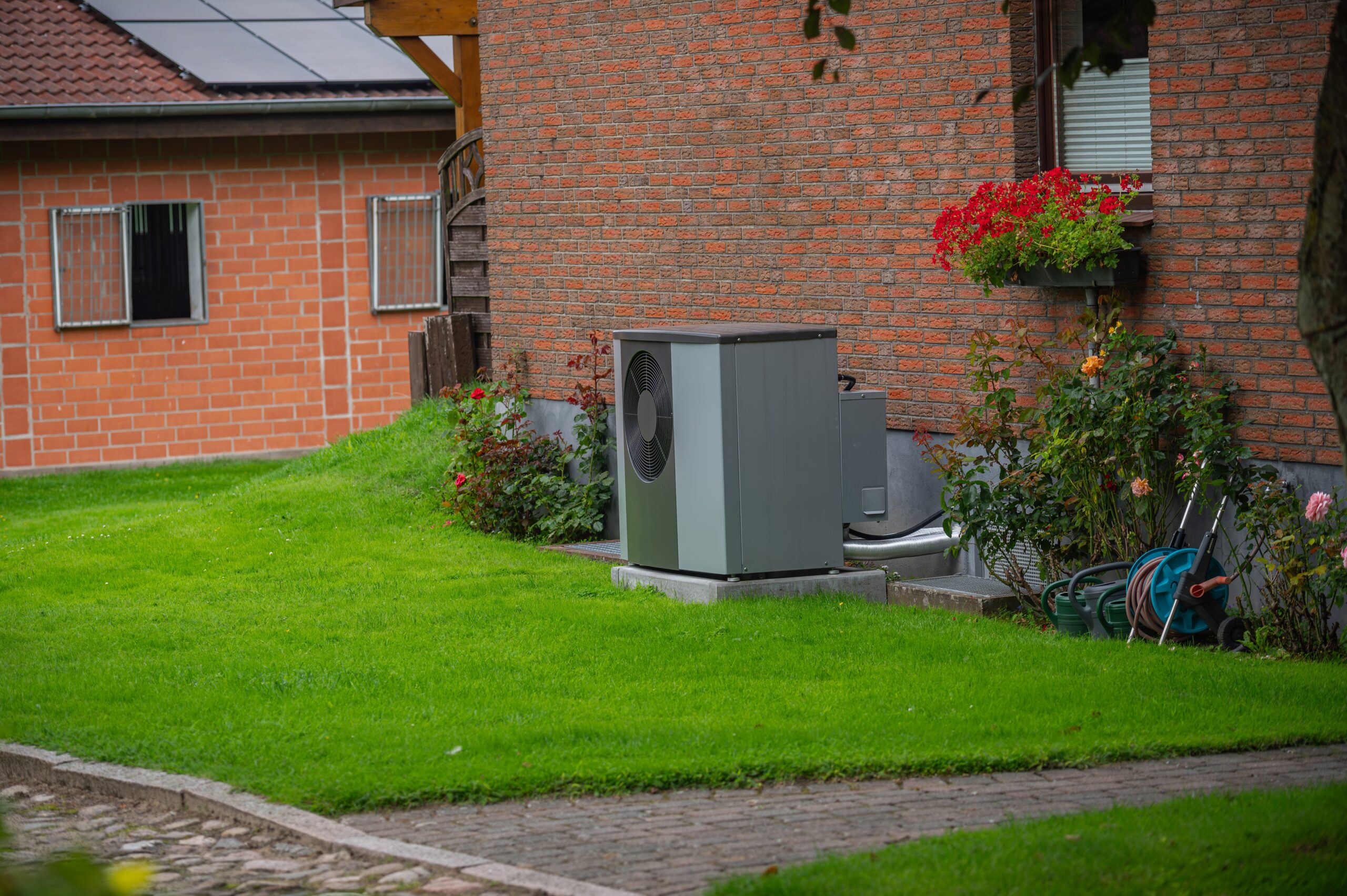
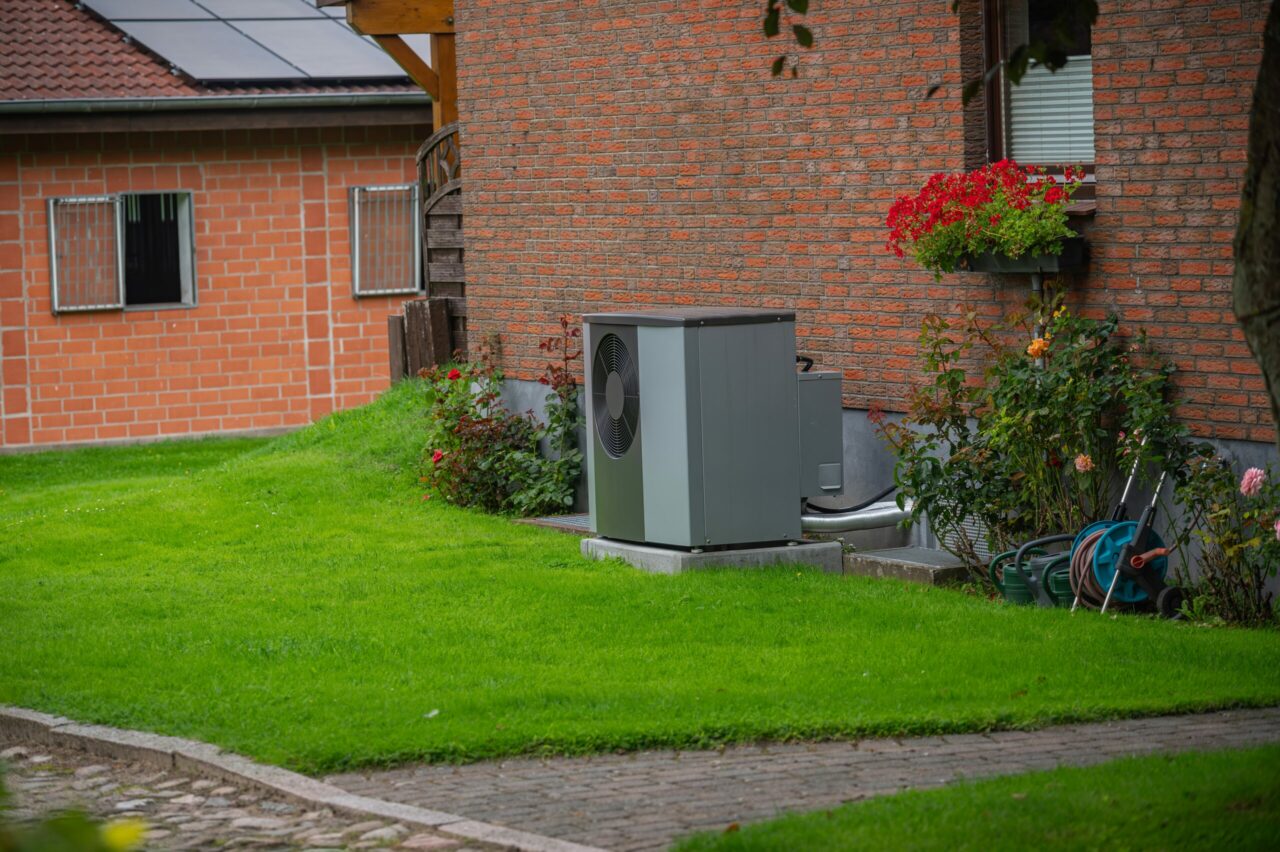
A homeowner who wants to electrify heating but keep the cast-iron radiators is a conversation HVAC contractors are having more often. Most retrofit talk still centers on air-to-air heat pumps and ductwork, but a large share of the housing stock never had ducts to begin with. Air-to-water heat pumps give installers a way into that market without ripping out perfectly good hydronic distribution, and the technology has matured enough in the past year to make a real dent in the roughly five million U.S. homes still heated by a gas-fired boiler.
What an Air-to-Water Heat Pump Actually Does
An air-to-water heat pump pulls heat from outdoor air and transfers it into a water loop instead of a duct system. That heated water then runs through the same radiators, baseboards, radiant floor tubing, or fan coils the boiler was already using. During cooling season, the system reverses and rejects heat outdoors, which gives a boiler-only home cooling capability it never had before. Because the unit moves heat rather than burning fuel to create it, efficiency numbers run well above a combustion appliance, and there is no on-site emissions to account for.
Water Temperature Drives Every Retrofit Decision
Traditional boilers commonly supply water up to 180 degrees Fahrenheit. Most residential air-to-water heat pumps top out closer to 140 degrees. That gap matters because older baseboard and cast-iron radiator systems were often sized around the higher temperature, and a heat pump running at a lower supply temperature may not push enough BTUs through undersized emitters on the coldest days of the year.
| System Type | Typical Supply Temp | Retrofit Consideration |
| Gas-fired boiler | Up to 180°F | Existing baseline for the home |
| Air-to-water heat pump | Approx. 140°F | May need larger emitters or supplemental heat |
| Dual-fuel setup | Heat pump primary, boiler on cold snaps | Retains full-capacity backup for design-day loads |
A load calculation and an honest look at existing radiator or baseboard sizing should happen before quoting any retrofit. Where the numbers do not support full electrification, a dual-fuel configuration keeps the heat pump as the primary source most of the year while the existing boiler or an electric resistance element covers extreme cold or higher-temperature demand.
Hydraulic Separation Simplifies the Dual-Fuel Setup
Mixing a heat pump and an existing boiler on the same loop invites cross-contamination of flow rates and control signals unless the piping isolates the two heat sources properly. An all-in-one unit like the Taco X-Pump Block hydraulic separator combines a brazed-plate heat exchanger with dual circulators and a mixing control in a single package, which keeps the heat pump loop separated from the boiler loop while still sharing the same distribution piping. That kind of packaged separation cuts field assembly time compared with piecing together a heat exchanger, two circulators, and a control individually.
Outdoor reset controls stay just as relevant on a retrofit as they were on the original boiler. A Taco outdoor reset control modulates supply water temperature against outdoor conditions, which keeps a dual-fuel system from short-cycling the backup source and holds comfort steady as the heat pump’s output naturally drops on colder days.
Commissioning Steps for a Boiler-to-Heat-Pump Retrofit
- Run a room-by-room heat loss calculation rather than relying on the existing boiler’s nameplate size, which is often oversized for the actual load.
- Measure existing radiator, baseboard, or radiant loop output at the lower supply temperature the heat pump will deliver, and flag any zones that come up short.
- Decide between full replacement and dual-fuel based on the temperature gap identified in the load calculation, not on the homeowner’s initial preference alone.
- Select an air-to-water heat pump sized to the calculated heating and cooling load rather than matching the old boiler’s output.
- Install hydraulic separation between the heat pump and any retained boiler so flow rates and control logic do not conflict.
- Set outdoor reset curves to match the specific emitters in the home, since radiant floor loops and cast-iron radiators respond differently to the same supply temperature.
- Verify the domestic hot water strategy separately, since many air-to-water systems either integrate DHW production or require a dedicated heat pump water heater.
- Walk the homeowner through dual-fuel behavior during commissioning so a boiler firing on a design-day cold snap does not read as a system failure.
Where Domestic Hot Water Fits
A retrofit conversation rarely stops at space heating. Homes moving off a combination boiler often need a standalone answer for domestic hot water, and a heat pump water heater from the heat pump water heater lineup gives a matching efficiency story without tying DHW production to the same refrigerant circuit as the space heating equipment. Keeping the two systems separate also simplifies service, since a DHW issue will not take down space heating and vice versa.
Frequently Asked Questions
Can an air-to-water heat pump fully replace a boiler in a cold climate?
It depends on the home’s heat loss and existing emitter sizing. Many cold-climate installs use a dual-fuel setup that keeps the boiler as backup for the coldest days rather than removing it entirely.
Why does supply water temperature matter so much in this retrofit?
Older systems were sized around higher boiler temperatures. A heat pump running cooler may not deliver enough heat through undersized radiators or baseboard without upsizing emitters or adding supplemental capacity.
What is hydraulic separation and why does a dual-fuel system need it?
Hydraulic separation isolates the heat pump’s flow rate and pressure from the boiler’s using a heat exchanger, which prevents the two heat sources from fighting each other on a shared loop.
Does an air-to-water heat pump provide cooling as well as heating?
Yes. Most units reverse operation in warmer months, rejecting heat outdoors and providing cooling through the same water loop that delivers heating in winter.
How does a retrofit handle domestic hot water?
Some air-to-water systems integrate DHW production directly. Others pair with a dedicated heat pump water heater to keep hot water production separate from space heating.
What is the advantage of a dual-fuel setup over full electrification?
Dual-fuel keeps existing boiler capacity available for extreme cold or high-temperature demand while running the heat pump as the primary source most of the year, which balances efficiency against comfort risk.
Do outdoor reset controls still matter with a heat pump installed?
Yes. Outdoor reset keeps supply temperature matched to actual heating demand, which reduces short-cycling and helps a dual-fuel system hand off between sources smoothly.
What should a contractor check before quoting a boiler retrofit?
A room-by-room heat loss calculation and a measurement of existing emitter output at the heat pump’s lower supply temperature, since skipping this step is the most common source of comfort complaints after installation.
Are incentives still available for this type of retrofit?
Federal incentives have shifted, but many state, utility, and manufacturer rebate programs continue to support hydronic heat pump installations, so a contractor should check current local programs before finalizing a quote.
Does this retrofit work on homes with radiant floor heating instead of radiators?
Radiant floor systems often pair especially well with air-to-water heat pumps because they were already designed around lower water temperatures than baseboard or cast-iron radiators require.
Boiling It Down
Hydronic distribution is not the obstacle to electrification that it once seemed. A load calculation, an honest look at existing emitter sizing, and the right hydraulic separation turn a boiler retrofit into a straightforward job instead of a gamble, and give a contractor a second heating conversation to have with every gas-boiler customer on the books.