
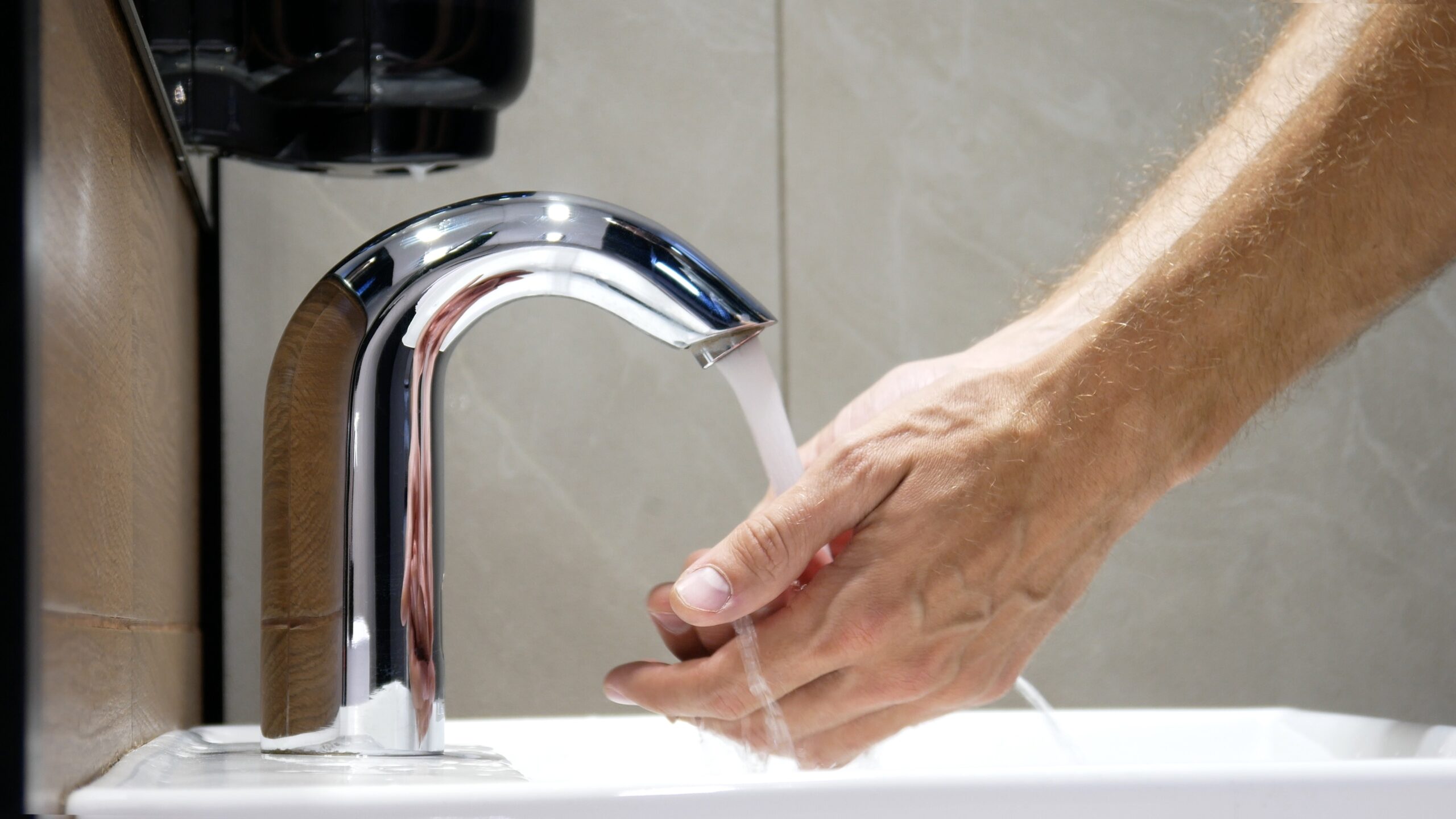
A facility running on a skeleton maintenance crew cannot watch every restroom around the clock. Touchless plumbing fixtures used to be a hygiene upgrade and a nice line item on a spec sheet. That story has changed. Sensor-operated faucets and flush valves now double as data collection points, catching a stuck valve before it floods a floor and flagging unusual water use before the bill arrives. For plumbing contractors, the touchless conversation with a building owner has moved well past infection control into labor, water conservation, and building intelligence, and the fixtures on the truck need to keep up.
Reliability Finally Caught Up With the Marketing
Early sensor faucets and flush valves earned a rough reputation among installers. Sensors missed users, products activated on their own, and service techs dreaded the callbacks. Some facility managers reverted to manual fixtures out of frustration. Manufacturers heard the complaints, and product teams addressed the concerns through advances in sensor accuracy, power delivery, and mechanical design rather than marketing language alone.
Gear-driven retrofit kits are a good example of the shift. The Zurn EZ Flush Sensor Retrofit Kit swaps a handle-operated flush valve to touchless in about three minutes without replacing the whole valve body. It uses a battery-powered, gear-driven cartridge instead of a solenoid, which resists the debris buildup that used to jam early sensor valves, and it keeps a true mechanical override button so a tech never gets stuck troubleshooting electronics on a service call. For new installs or full valve replacements, a diaphragm-type unit like the Zurn AquaVantage sensor flush valve pairs a chloramine-resistant diaphragm with a battery-powered sensor module rated for a multi-year service life, which cuts the number of return trips a crew has to make.
Water Savings a Building Owner Actually Notices
Sustainability arguments land differently once an owner trusts the fixtures to work. A dripping handle or a valve stuck open can waste hundreds of gallons before anyone notices, and touchless controls close that gap by design because the fixture only runs while a sensor detects a user. Facility teams tracking baseline restroom usage against water bills tend to find the savings show up fast once the fixtures are swapped.
Hands-free bottle fillers and low-flow sensor faucets add to the total without asking anyone to change a habit. A hybrid-powered lavatory faucet, for instance, pairs a 30-year power system with a 0.5 gpm aerator, so it delivers touchless operation without a battery to replace on a schedule or a wired circuit to run behind the wall. The Kohler hybrid-energy touchless lavatory faucet is a solid option where an owner wants to avoid the maintenance visits that come with a battery-only unit.
Connectivity Turns a Flush Valve Into a Data Point
Plumbing infrastructure was historically invisible until something broke. Sensor-based systems flip that. A connected flush valve or faucet can report usage patterns, flag a product failure before it floods a room, and even program auto-flush cycles on a schedule that reduces the risk of Legionella growth in low-use fixtures. Facility teams managing buildings with fewer staff lean on that data to move from reactive repairs to planned maintenance, which matters more every year as the tight labor pipeline in the trades keeps experienced plumbers stretched across more properties.
Unexpected use cases turn up too. Restroom usage data has helped facility security teams flag odd after-hours activity, and cleaning crews use the same data to prioritize which restrooms need attention first instead of running a fixed schedule regardless of actual traffic.
Comparing Power Options for a Retrofit
| Power Method | Typical Service Interval | Best Fit |
| Battery-powered sensor | 3 to 5 years per battery set | Retrofits without existing wiring |
| Hardwired sensor | No battery changes; needs low-voltage wiring | New construction or major remodels |
| Hybrid or hydropower sensor | Rated for the life of the fixture | High-traffic restrooms where battery visits add up |
Retrofitting an Existing Restroom: A Practical Sequence
- Walk the restroom and log every manual flush valve and faucet by brand, model, and rough-in dimensions before ordering parts.
- Confirm local plumbing code on maximum flow rate before specifying a 1.6 gpf valve, since several jurisdictions cap new installs below that figure.
- Choose a side-mount or top-mount gear-driven retrofit kit where the existing valve body is in good condition, which avoids tearing into the wall.
- Replace the full valve body on units showing internal wear, corrosion, or repeated diaphragm failures rather than layering a sensor onto a failing valve.
- Set the sensor’s line-flush interval to run every 24 hours in restrooms with irregular traffic, which helps hold trap seals and cuts down on sewer gas odor.
- Log the battery type and install date on a service tag inside the cover so the next tech does not have to guess.
- Walk the client through the manual override button during the final inspection so staff can flush a fixture during a power or battery failure without calling for service.
Frequently Asked Questions
What is the biggest difference between old and new sensor flush valves?
Sensor accuracy and mechanical durability. Current gear-driven units resist the false triggers and debris jams that plagued early solenoid-based sensors, and most now include a true mechanical override for manual flushing during a service call.
Can a sensor retrofit kit go on any existing flush valve?
Most gear-driven retrofit kits fit standard diaphragm-type flush valves from major manufacturers, but a tech should confirm compatibility against the valve’s model number before ordering, since urinal and water closet kits are not interchangeable.
How long do batteries typically last in a sensor flush valve?
Battery life runs from three to five years depending on traffic volume and whether the unit uses standard alkaline cells or a long-life lithium pack, with long-life options extending service intervals further.
Do touchless fixtures need special code approval?
Most jurisdictions treat sensor-operated fixtures the same as manual ones for code purposes, but flow rate restrictions vary by state, so a contractor should verify maximum gpf and gpm limits before finalizing a spec.
What causes a sensor flush valve to activate on its own?
Reflective surfaces, direct sunlight, or a sensor lens set too sensitive can trigger false activations. Adjusting sensor range and shielding the unit from direct light generally resolves the issue.
Is a hardwired or battery-powered sensor faucet the better choice?
Hardwired units eliminate battery service calls but require low-voltage wiring, which suits new construction. Battery and hybrid-powered units suit retrofits where running new wire is not practical.
How does a hybrid-powered faucet generate electricity?
A hybrid-powered lavatory faucet uses a small internal turbine driven by water flow to charge an energy cell, which powers the sensor and solenoid without a replaceable battery or external power source.
Can connected plumbing fixtures integrate with a building management system?
Many current sensor platforms support IoT connectivity that reports usage, maintenance flags, and water consumption data to a facility dashboard, though integration depth varies by manufacturer and platform.
What is the auto-flush feature meant to prevent?
Scheduled auto-flush cycles keep water moving through fixtures that see light use, which helps maintain trap seals and reduces the stagnant-water conditions that support Legionella growth.
Should a contractor recommend full replacement or a sensor retrofit kit?
Full replacement makes sense when the existing valve body shows wear, corrosion, or repeated diaphragm failures. A retrofit kit is the faster, lower-cost path when the valve body itself is still sound.
Flushed With Success
Touchless fixtures stopped being a hygiene footnote the moment they started paying for themselves in water bills and fewer service calls. A contractor who treats sensor plumbing as a data platform, not just a convenience upgrade, will have an easier time explaining the investment to the next building owner asking why the restroom budget went up.