
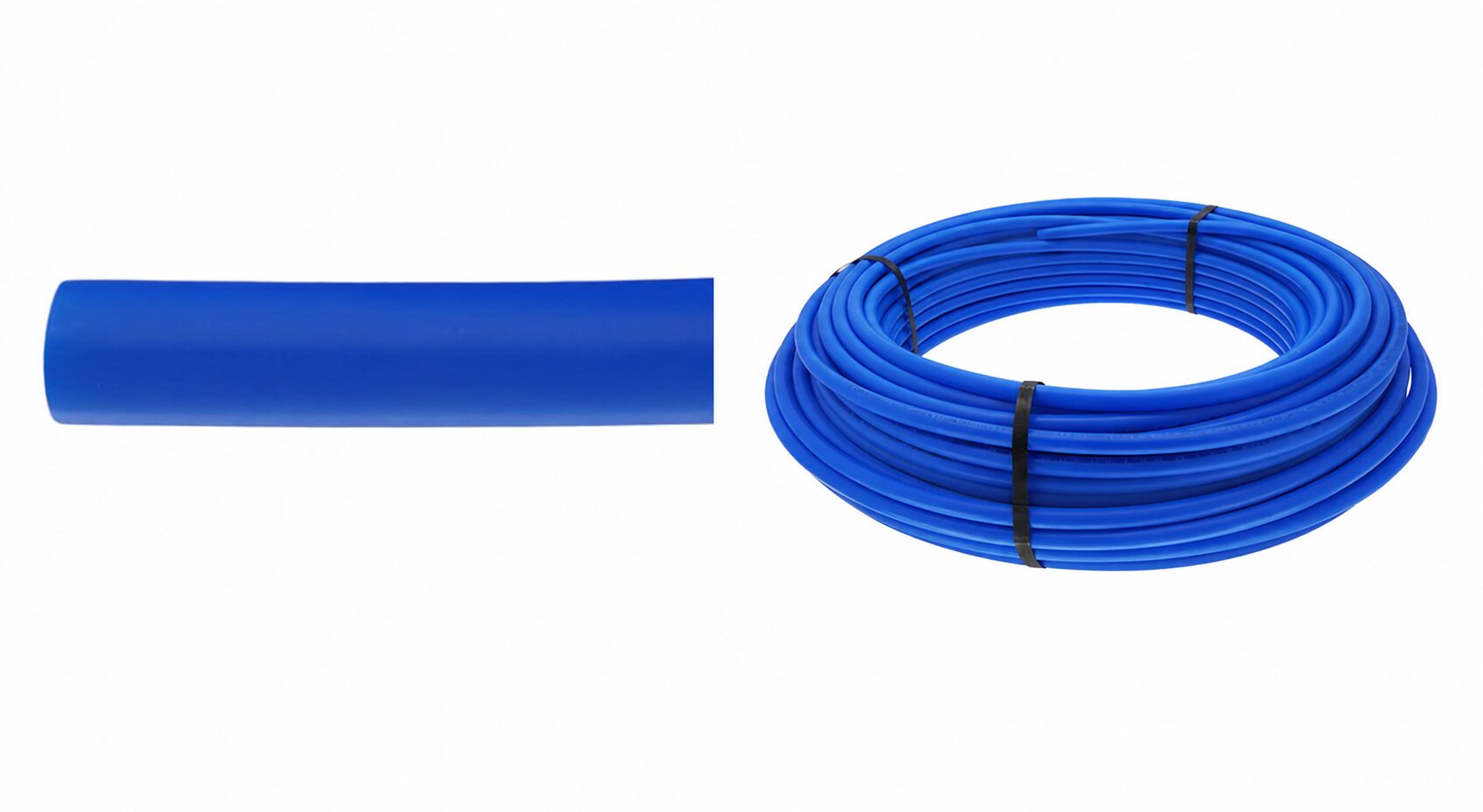
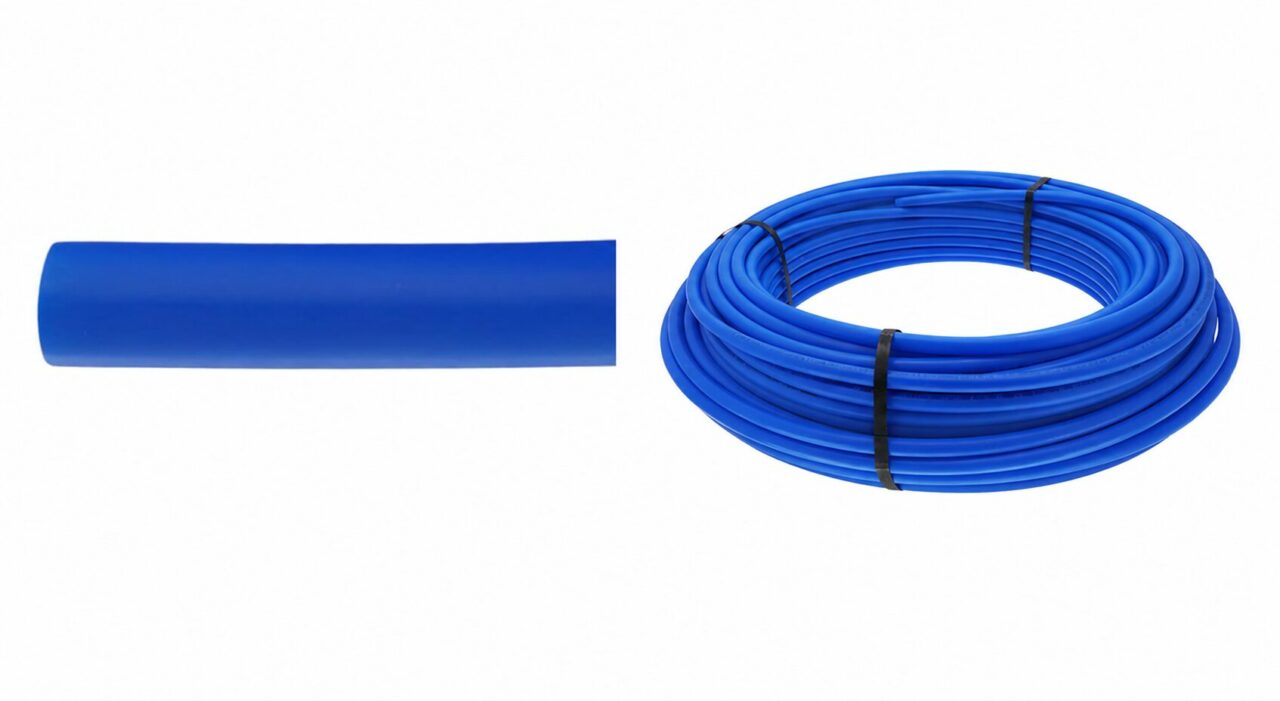
 A quiet materials shift is underway in potable water rough-in, and plumbers who moved straight from copper to PEX years ago may want to take a second look. PE-RT tubing spent the last decade playing a supporting role in radiant heat and snow-melt work. New resin formulations are now pushing PE-RT into potable water territory with pressure ratings and workability that rival PEX-A. Plumbing & Mechanical’s recent coverage of Legend’s HyperPure line makes the case directly: PE-RT is no longer a niche substitute. It has become a legitimate second option for supply-line rough-in, and crews who ignore it may be missing a material that solves real jobsite headaches around coil memory and tight routing.
What Changed With PE-RT Tubing
HyperPure starts with a bimodal PE-RT resin that blends two molecular chain lengths. Longer chains supply the strength and pressure resistance the system needs. Shorter chains improve workability, cutting down on the stiffness that made earlier PE-RT products harder to route through joists and wall cavities. According to Plumbing & Mechanical’s product coverage, the result carries a pressure rating of 200 PSI at 73°F and holds up to a burst pressure of 720 PSI at that same temperature, figures that exceed what many crews expect from a non-PEX tubing product. Operating temperatures reach 180°F, putting HyperPure squarely in range for both cold and hot potable lines.
Bend radius tells the installation story most clearly. HyperPure maintains a bend radius of five times the tube’s outer diameter and holds that shape after uncoiling, which cuts down on the coil memory that fights installers when they try to snake tubing through ceilings and mechanical rooms. Crews spend less time wrestling tubing into position and more time actually landing connections.
One nuance matters for anyone planning to switch: PE-RT does not carry the same shape memory that lets PEX-A tubing reseal around ProPEX-style expansion fittings. Installers already running crimp, clamp, or press connection systems can generally carry those same tools over to PE-RT, since the material accepts barbed insert fittings the same way PEX-B does. A crew built entirely around expansion fittings should plan on a parallel fitting stock rather than assuming full interchangeability.
PE-RT vs PEX: How the Numbers Stack Up
| Attribute | PEX-A | PEX-B | PE-RT (HyperPure) |
| Pressure rating (73°F) | 160 PSI | 160 PSI | 200 PSI |
| Burst pressure (73°F) | Varies by brand | Varies by brand | 720 PSI |
| Coil memory | Near-zero | Moderate | Low, stay-straight |
| Expansion fitting compatible | Yes | No | No |
| Crimp/clamp fitting compatible | Yes | Yes | Yes |
| Chlorine resistance | Strong | Strong | Strong |
| Typical warranty | 20-25 years | 20-25 years | Up to 100 years (HyperPure) |
The comparison shows why PE-RT earns a place next to PEX rather than replacing it outright. PEX-A still wins on expansion-fitting flexibility, which matters for crews that rely on ProPEX for speed. PE-RT wins on straight-line workability and burst margin, which matters more in tight mechanical rooms and long horizontal runs where coil memory usually causes the most grief.
Installation Considerations for Crews Making the Switch
Adoption of PE-RT depends first on local code recognition. Most jurisdictions that have adopted the current IPC or UPC editions already list PE-RT alongside PEX for potable water applications, but amendments vary by state and municipality. Confirming the local amendment sheet before ordering material avoids an inspection headache down the line.
- Confirm the local plumbing code edition recognizes PE-RT for potable water before ordering material.
- Select a fitting system built for PE-RT: crimp, clamp, or press. Expansion-style ProPEX fittings are not compatible.
- Cut tubing square with a dedicated PEX/PE-RT cutter to avoid an oval profile that compromises the seal.
- Route with the 5X bend radius in mind; tighter bends stress the tubing wall even though coil memory is reduced.
- Label hot and cold runs at the manifold the same way an installer would on a PEX job, since color-coding conventions carry over.
- Pressure test the completed system per the manufacturer’s hold time and psi target before closing walls.
Products That Support the Transition
A rough-in crew running both PEX and PE-RT on the same truck benefits from keeping tubing and fittings organized by system. SupplyHouse.com’s PEX plumbing supplies hub covers both material families, with dedicated categories for PEX tubing and PEX fittings that stock the crimp and clamp components compatible with PE-RT as well.
For rough-in jobs that still lean on PEX-A and expansion connections, the PEX manifolds category rounds out a manifold-fed distribution system, and the ProPEX expander tools and heads selection covers the Milwaukee-driven expansion side of the workflow. Two specific tools worth a spot on the truck are the Milwaukee M12 ProPEX Expansion Tool for tight mechanical rooms and the Milwaukee M12 FUEL ProPEX Expander with 1/2″, 3/4″, and 1″ heads for crews doing higher daily connection volume.
Frequently Asked Questions
What is PE-RT tubing made from?
PE-RT stands for raised-temperature polyethylene. Modern versions like HyperPure use a bimodal resin structure that combines long and short molecular chains to balance strength with flexibility.
Does PE-RT tubing work with ProPEX expansion fittings?
No. PE-RT lacks the shape memory that lets PEX-A tubing reseal around an expanded fitting. Crimp, clamp, and press fittings remain the standard connection methods for PE-RT.
Is PE-RT approved for potable water under the IPC and UPC?
Most jurisdictions that follow current IPC or UPC editions recognize PE-RT for potable water, but local amendments vary. Checking the jurisdiction’s amendment sheet before ordering material remains the safest step.
How does PE-RT resist chlorine compared to PEX?
PE-RT shares the strong chlorine resistance that makes cross-linked polyethylene products reliable for municipal water systems with chloramine disinfection.
Can PE-RT and PEX be mixed in the same system?
Yes, using transition fittings rated for both materials. Most crews keep the two on separate zones fed from the same manifold rather than mixing tubing types mid-run.
Does PE-RT need special handling on the truck compared to PEX?
PE-RT ships in coils similar to PEX and tolerates typical jobsite storage. Because coil memory is lower, it uncoils and stays straighter, which reduces the tendency to kink during handling.
What warranty does HyperPure carry?
Legend backs HyperPure with a 100-year warranty on the tubing itself, a notably longer term than the 20 to 25-year warranties common on PEX products.
Is PE-RT more expensive than PEX?
Pricing varies by supplier and region, and material costs shift with market conditions. Checking current pricing at the time of purchase gives the most accurate comparison.
Does PE-RT require different crimp tools than PEX-B?
No. Standard crimp and clamp tools sized for the tubing’s outer diameter work across both materials, so a crew already stocked for PEX-B crimp connections does not need new tooling to add PE-RT.
Where does PE-RT make the biggest difference on a job?
Tight mechanical rooms, long horizontal runs through joist bays, and any layout where coil memory has historically fought the installer are where the reduced-memory advantage shows up most.
No Kinks in the Plan
PE-RT tubing is not a PEX replacement, and treating it that way misses the point. It is a second option that solves a specific problem: coil memory that fights installers in tight spaces. HyperPure’s pressure rating, burst margin, and 100-year warranty give it real standing next to PEX-A and PEX-B, provided crews match it with the right fitting system from the start. A rough-in that plans for both materials, rather than defaulting to habit, keeps callbacks down and gives customers a supply line built to outlast the house around it.