
Every code cycle brings changes that sound minor in a summary and matter a great deal on a Tuesday inspection. The 2026 edition of NFPA 70, adopted in some form by every state, includes three that fit that description: a formal rule on replacing damaged wiring, a narrowly defined 10A branch circuit, and a meaningful cut to the dwelling lighting load calculation. None require new tools, but all three change what gets documented, sized, or explained to an inspector.
Damaged Wiring Now Has a Formal Replacement Rule
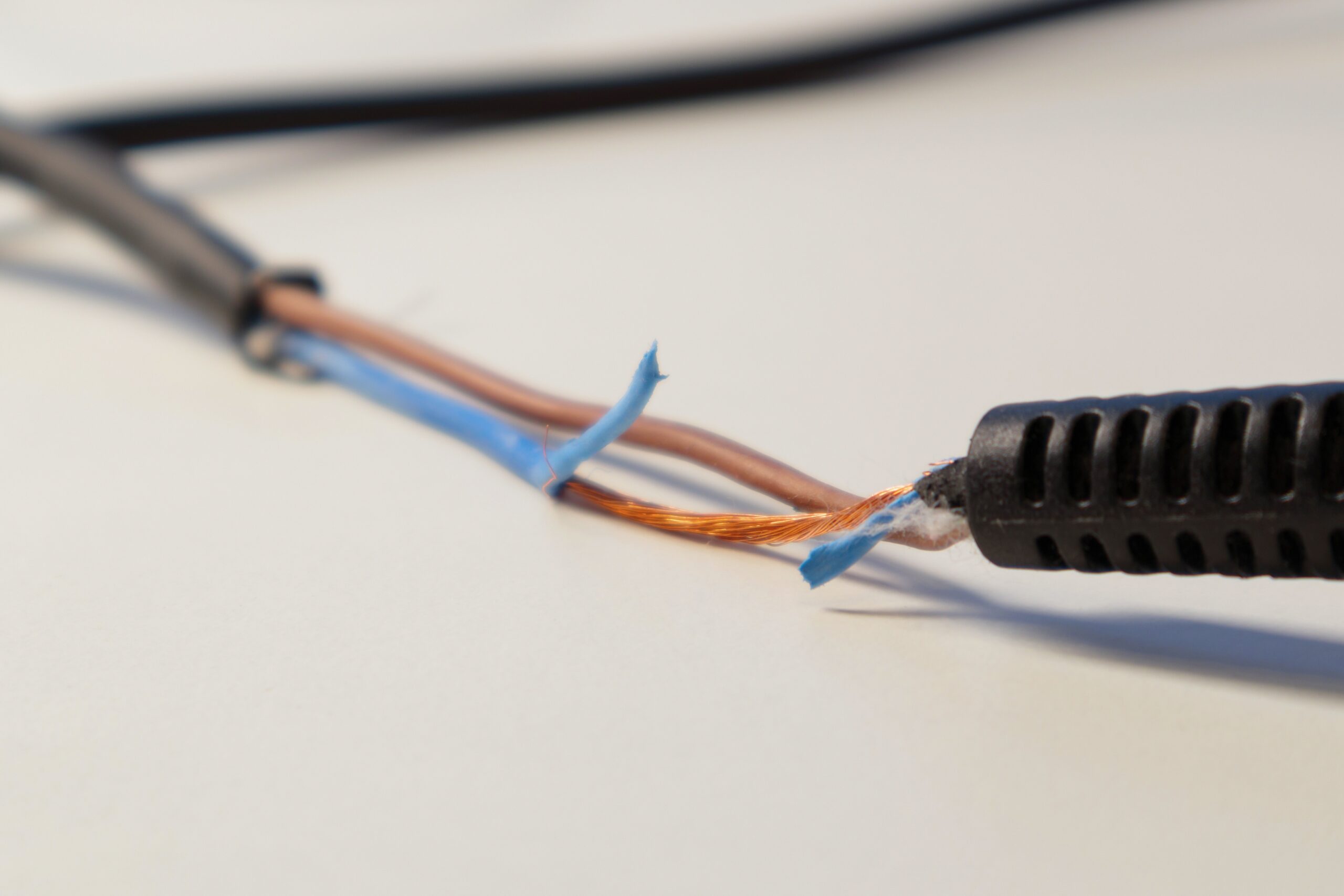
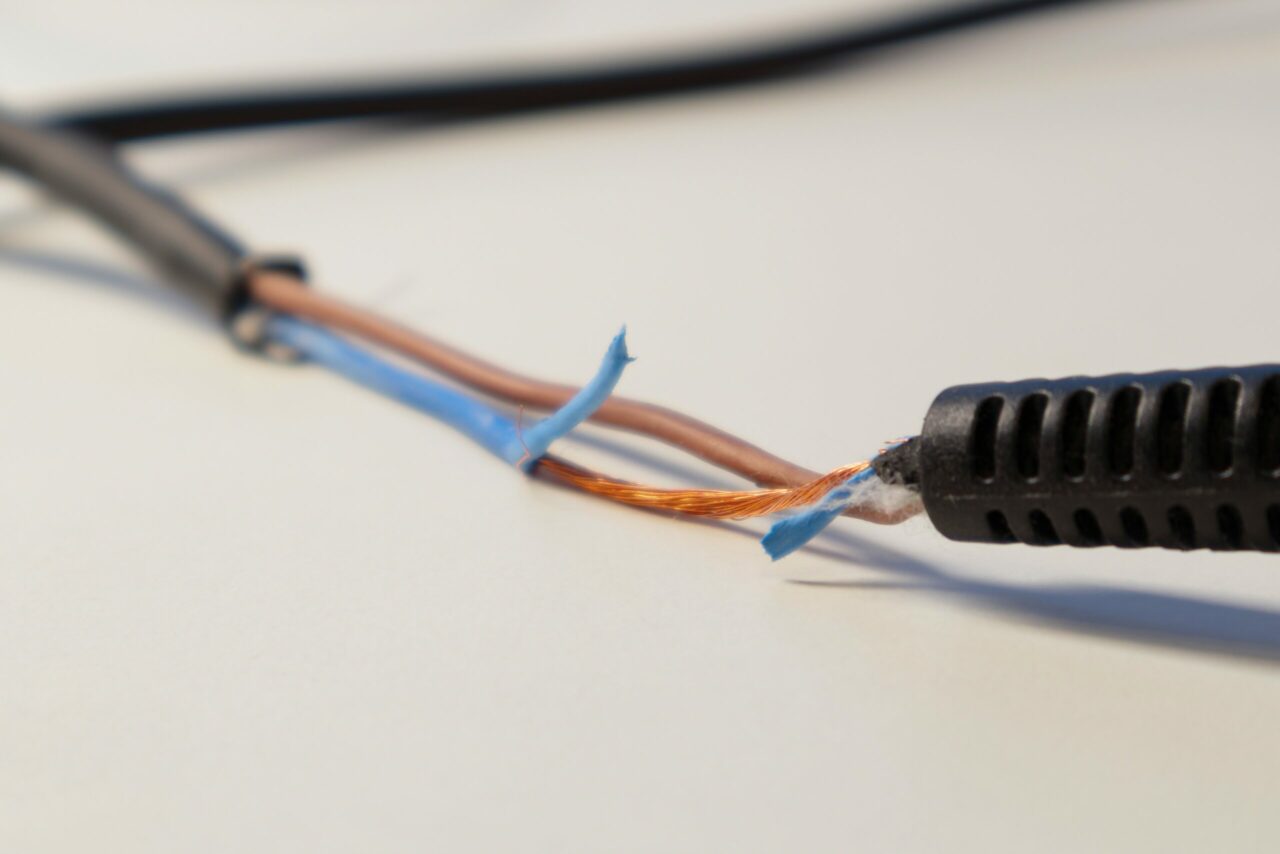
Section 300.4(C) addresses conductors damaged by water, fire, overloading, or corrosion. Once damage is confirmed, the code requires replacement rather than repair. The field question is whether real damage exists: a superficial mark on a jacket is not the same as insulation that’s been heat degraded, submerged, or corroded. Once damage is confirmed, tape and patch jobs are off the table.
10A Branch Circuits Arrive, With Tight Limits
Section 210.23(A) formally recognizes a 10A branch circuit for the first time, but the permission is narrow: it’s limited to lighting and exhaust fans, not general-purpose receptacles. The change reflects how little current LED lighting draws compared to the incandescent loads the code was originally sized around.
Dwelling Lighting Loads Drop by About a Third
Load calculations move into a reorganized Article 120, and Sec. 120.41 cuts the dwelling lighting load from 3VA to 2VA per square foot for feeder and service calculations. On a 3,000 square foot dwelling, that’s a drop from 9,000VA to 6,000VA before demand factors. The change is confirmed in the 2026 NEC edition as published by NFPA and applies only to the feeder and service calculation; branch-circuit sizing is untouched.
What Changed at a Glance
| Code Section | What Changed | Field Impact |
| 300.4(C) | Formal replacement rule for damaged conductors | No patch or tape repair once damage is confirmed |
| 210.23(A) | 10A branch circuits for specific lighting loads | Lighting outlets and dwelling exhaust fans only |
| 120.41 | Dwelling lighting load cut to 2VA/sq ft | Smaller feeder/service load; branch calcs unaffected |
A Field Routine for the Damaged-Conductor Rule
- Inspect the full run, not just the visible section, when damage is suspected.
- Test insulation resistance with a megohmmeter rather than a visual check alone.
- Confirm the circuit is de-energized with a non-contact voltage tester before opening it.
- Document the condition found before cutting out and replacing damaged sections.
- Re-test the repaired circuit to confirm the fix resolved the issue.
Stocking the Truck for 2026 Code Work
- A Resistance Tester supports damaged-conductor determinations under 300.4(C).
- A Voltage Tester confirms a circuit is dead before hands-on testing.
- Fresh Romex NM-B cable, with the full range in the Romex Cable category, keeps a replacement job moving.
- An AFCI Circuit Breaker pairs naturally with damaged branch-circuit replacement work.
Frequently Asked Questions
Can a 10A circuit be used for a receptacle if the load is small?
No. Section 210.23(A) limits 10A circuits to lighting outlets and dwelling exhaust fans on bathroom or laundry circuits.
Does the lighting load reduction shrink every branch circuit?
No. The 2VA per square foot figure applies to the feeder and service calculation only; branch-circuit sizing is a separate exercise.
What counts as actual conductor damage versus a cosmetic issue?
Heat degradation, submersion, charring, and corrosion count as damage. A superficial jacket mark, on its own, does not automatically trigger replacement.
Is a megohmmeter required by code for this determination?
No specific instrument is mandated, but an insulation resistance tester is a practical way to support the call and document it.
When does the 2026 NEC take effect locally?
Adoption timing varies by state and local authority. Confirm the applicable edition with the AHJ before assuming 2026 provisions apply.
Current Events: Reading the Code Before It Reads You
None of these three changes demand a new toolbox, but all three change the reasoning behind a routine call, and that is exactly the kind of change that gets missed until an inspector points it out. The damaged-conductor rule replaces a judgment call that used to live entirely in an electrician’s head with a standard the code now names directly: heat, water, and corrosion count as damage, while a superficial mark does not. The 10A branch circuit is a narrower tool than it might first appear, and that narrowness is the point, since it exists because LED lighting draws a fraction of the current the code was originally built around, not because the code wants a general-purpose downsizing option. The lighting load reduction is the easiest of the three to apply correctly and the easiest to apply incorrectly by accident, because it belongs in the feeder and service calculation only and carrying that figure into branch-circuit sizing is a miscalculation a plan reviewer will catch. Electricians who keep these three changes straight, rather than folding them into a single fuzzy sense of what changed, will spend less time re-explaining a call and more time getting the next job signed off the first time through.